
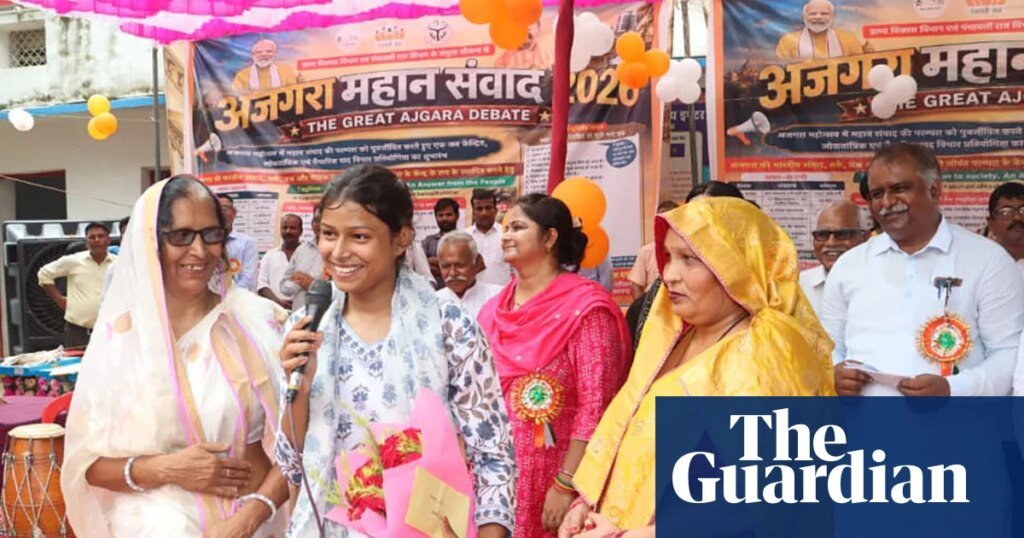
The Great Ajgara Debate: Reviving India’s Tradition of Discussion
In the heart of rural India, under the evening sky of Ajgara in Uttar Pradesh, a unique event is unfolding that has transformed typical village gossip into profound philosophical discussions. This annual fair has become the backdrop for an engaging debate tournament that encourages participants to dive deep into ethical dilemmas, metaphysics, and the essence of reality.
Rekindling the Spirit of Debate
Initiated by Abhishek Pandey, the district magistrate of Pratapgarh, the Great Ajgara Debate 2026 was born out of a desire to revive an ancient tradition of intellectual discourse that has largely faded over time. Recognizing the area’s rich connection to the Mahabharata, Pandey aimed to reignite a passion for discussion that has defined Indian culture for over 3,000 years.
Growing up with the Mahabharata, Pandey admired the significant philosophical debates presented in the tales. His time at Oxford further fueled his passion for structured debate, making him question why this tradition had diminished in India. “Why have we ceased to celebrate the legacy of debate and questioning?” he wondered, believing that restoring this practice was crucial for democracy.
A Village Comes Alive with Debate
The annual fair in September proved to be an ideal occasion for the launch of this initiative. In the months leading up to the event, Pandey and his team organized around 1,500 debates throughout the district. Participants of all ages, from a ten-year-old schoolboy to an 80-year-old farmer, engaged in discussions reflecting their diverse perspectives. Contestants were judged not only on their reasoning but also on their moral clarity.
The overwhelming public enthusiasm was unexpected for Pandey, as thousands participated in various rounds, culminating with eight finalists—two women and six men. Amid the festive atmosphere of the fair, where visitors enjoyed local crafts and rides, a hush enveloped the debate tent, showcasing the community’s commitment to respectful dialogue.
Topics of Substance
The final debate on September 17 lasted six hours and covered critical themes, including women’s rights. One finalist, Vivek Singh, articulated that while women may have legal equality, societal expectations often hinder their ability to exercise these rights. Another finalist, Prajjwal Shukla, challenged the notion that society should dictate women’s roles, asserting that such choices must belong solely to women themselves.
“What struck me most was not just the quality of debates but the respectful atmosphere,” said Pandey. “People listened patiently, without interruptions, seated for hours engaged in thought-provoking conversations.”
A Contrast to Modern Debates
The event stands in stark contrast to the chaotic nature of contemporary televised debates in India, where shouting matches have become the norm. The intensity of personal attacks often overshadows the essence of argumentation and debate. “We must learn to listen and appreciate differing viewpoints,” emphasized Sadhana Dwivedi, one of the finalists who longs for a return to civil discourse.
The enthusiastic turnout at the Great Ajgara Debate reaffirmed economist Amartya Sen’s theory that India has a rich tradition of questioning the status quo. However, in recent times, dissent has been stifled, notably under the current ruling party, which often promotes conformity over debate.
The Celebration of Intellectual Engagement
Participants were celebrated for their contributions, with the finalists honored and cheered as “intellectual heroes.” Prajjwal Shukla, who emerged as the winner, expressed his astonishment at being recognized in a place steeped in historical significance, stating, “I participated just to hear others’ thoughts.”
Pandey is already dreaming bigger, hoping to expand the initiative beyond Uttar Pradesh, emphasizing the need for debate as a cornerstone of democracy. He has marked this momentous occasion with a stone inscription at the site: “The Great Ajgara Debate. First Debate 3152 BC: Yudhishthira. Second Debate 2026: Prajjwal Shukla.”
Conclusion
The Great Ajgara Debate stands as a beacon of hope, showcasing the powerful potential of intellectual engagement in a time when respectful discourse is increasingly rare. This revival not only honors India’s rich tradition of discussion but also emphasizes the importance of fostering a culture that values questioning and thoughtful conversation.
- The Great Ajgara Debate revives India’s ancient tradition of intellectual discourse.
- Participants ranged from young schoolchildren to seniors, emphasizing inclusivity.
- Key topics included women’s rights and societal expectations in modern India.
- Pandey aims to expand the initiative across the nation, promoting debate as vital to democracy.