
Climate Change: An Interconnected Crisis Beyond Environmental Concerns
Climate change isn’t just an environmental dilemma; it has far-reaching implications for the economy, society, energy, and international security. This multifaceted challenge is reshaping geopolitical landscapes and intensifying competition for vital resources, particularly water.
The Economic and Political Dimensions of Climate Change
According to Emmanuella Doussis, a professor specializing in international institutions and climate diplomacy, the climate crisis is deeply intertwined with national economies, societal structures, and geopolitical dynamics. She emphasizes that climate change is not merely an environmental concern but a significant social and political issue as well.
Shifting Geopolitical Balances
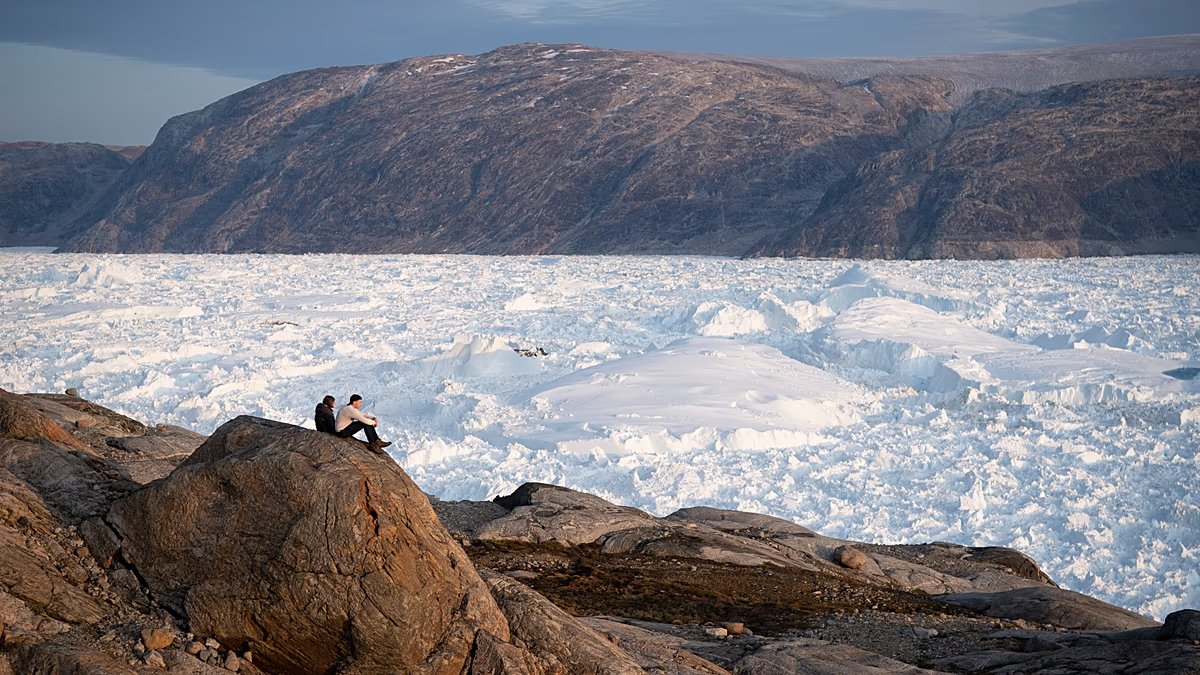
Extreme weather patterns and climate change are now instrumental in determining international competition over resources and strategic territories. For instance, the melting ice in the Arctic is opening new trade routes but also increasing the competition for essential raw materials needed for emerging technologies, such as lithium and cobalt. Furthermore, access to water is gaining heightened geopolitical significance, influencing food security and migration patterns.
“At this moment, we are witnessing escalating competition in the quest for new resources,” Doussis notes.
The Transition from Fossil Fuels
One of the central issues in combating climate change is the gradual shift from fossil fuels. This transition doesn’t affect all countries equally; some will face considerable economic and geopolitical challenges. Doussis points out that nations heavily reliant on fossil fuel exports may need to restructure their economies significantly.
In contrast, countries rich in renewable energy potential, such as solar or wind, are poised to thrive. This evolving landscape will inevitably lead to new dependencies and shifts in power dynamics among nations.
The Role of International Diplomacy
Successfully addressing climate change hinges on global cooperation, traditionally articulated through frameworks like the United Nations Framework Convention on Climate Change and further solidified by the Paris Agreement in 2015. However, Doussis highlights the shortcomings of this approach. States produce national plans to cut emissions, reassessing them every five years, but lack substantial penalties for non-compliance.
In today’s complex geopolitical climate, she advocates for more practical diplomacy focused on actionable steps rather than mere target setting. Collaborations in research, technology, and energy connectivity can expedite the adoption of renewable energy.
Major Emitters and Their Varied Approaches
The actions of leading emitters—namely China, the United States, India, and the European Union—greatly influence global climate efforts. Doussis cites a growing skepticism in the United States regarding climate policies, with a renewed focus on fossil fuel production. On the other hand, China is heavily investing in the clean technology sector, although it continues to allocate resources to fossil fuels as well, creating a multifaceted picture of its role in the energy shift.
Greece: A Climate-sensitive Region
For Greece, the stakes of the climate crisis are particularly high due to its geographical positioning in the vulnerable Mediterranean region. Doussis acknowledges the country’s progress in phasing out lignite and pursuing just transition plans. However, she also observes a concerning shift back to fossil fuels in recent years.
She stresses that climate policy should not be viewed as a collection of isolated “green” initiatives, but rather as a fundamental political decision that impacts the economy and all facets of public policy.
The Importance of Addressing Climate Consequences
Doussis asserts that managing the repercussions of climate change is equally as crucial as emission reductions. In light of recent natural disasters in Greece, she notes that while climate change is a significant factor, it should not be scapegoated for systemic weaknesses related to infrastructure and planning.
Concerns Over Resources and Migration
One of the most pressing aspects of the climate crisis pertains to its effects on access to essential goods such as water and food. Doussis warns that strained water resources could incite tensions between nations, particularly in regions where rivers cross borders, highlighting the situation between Egypt and Ethiopia as a prime example.
Additionally, climate change is expected to exacerbate population movements, presenting another challenge for international security and migration management. As such, climate diplomacy is evolving into a critical area within international relations, intertwining energy, water, food security, and migration.
Conclusion
Ultimately, the climate crisis extends far beyond its environmental implications, influencing a diverse range of global issues. Understanding its complexity is essential in fostering effective international cooperation and policy-making.
Key Takeaways
- Climate change impacts economies, societies, and international relations.
- The transition from fossil fuels creates new dependencies and power dynamics.
- International cooperation is critical for effective climate action.
- Access to resources like water and food security is increasingly jeopardized by climate issues.