
Voting Rescheduled in Poonch Division Amid Unrest
In a significant development, voting has been rescheduled in seven out of the eleven constituencies in the Poonch division due to calls for boycotts and incidents of violence affecting the legislative elections in Pakistan-administered Kashmir. This article outlines the current voting situation and the reasons behind the turmoil.
The Current Voting Landscape
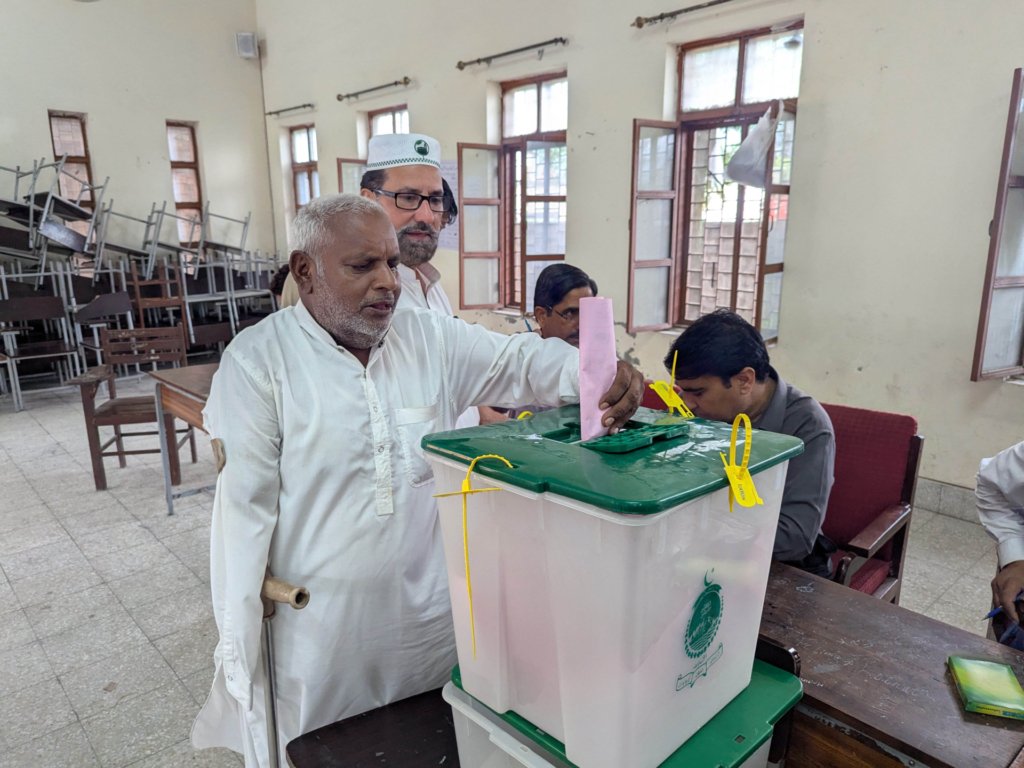
The third and final phase of the legislative assembly elections is currently underway, but only four out of the eleven planned constituencies are participating in the polls. Over 800 polling stations are operational in the Bagh and Haveli districts of Azad Jammu and Kashmir (AJK), opening at 8 AM and concluding around 5 PM. Approximately 460,000 voters are registered to cast their ballots during this phase.
Key Contestants
Among the prominent figures vying for election is AJK Prime Minister Faisal Mumtaz Rathore from the Pakistan People’s Party (PPP) in Haveli. In Bagh, two former prime ministers are competing: Sardar Tanveer Ilyas from the Istehkam-e-Pakistan Party and Sardar Attique Ahmed Khan from the Muslim Conference.
Postponement of Elections
The electoral process has faced significant hurdles, particularly in seven constituencies—five in Poonch and two in Sudhnoti—where voting has been postponed owing to security concerns. Officials have yet to announce a new date for these elections.
Background of Protests
This decision to delay the elections follows weeks of demonstrations organized by the Jammu Kashmir Joint Awami Action Committee (JAAC). The group is advocating for the abolition of twelve seats in the regional assembly that are reserved for displaced Kashmiris located outside of Pakistan. Tragically, these protests have resulted in the deaths of over 50 individuals, as reported by local residents and human rights organizations, although the government has not provided an official death count.
Impact of the JAAC
The JAAC, which has called for a boycott of the elections, faced restrictions from authorities in June under anti-terrorism legislation. In addition, international media coverage has been hindered, with reporters instructed to vacate the area and obtain government clearance before returning to Pakistan-administered Kashmir.
Overview of Recent Elections
The ongoing voting marks the conclusion of a three-phase election process for the 53-member Legislative Assembly. The Mirpur division held elections on July 27, where the Pakistan Muslim League-Nawaz (PMLN) secured nine out of thirteen seats, while the PPP attained four. The second phase took place on August 2 across the Muzaffarabad division and included 12 refugee constituencies nationwide, with the PMLN winning 15 seats and the PPP six.
Voter Turnout
Voter turnout has been lower than previous years, standing at 46 percent in the first phase and 53 percent in the second. These figures are notably below the over 60 percent turnout seen in the elections of 2021 and 2016, reflecting the ongoing unrest, particularly in the Poonch division, which has faced an intermittent internet shutdown lasting over 50 days.
Conclusion
The situation in Poonch division highlights the complex interplay between political participation and civil unrest. As elections are delayed and voter turnout diminishes, the implications for the region’s political landscape remain substantial.
Key Takeaways
- Voting in seven out of eleven constituencies has been postponed due to security concerns.
- Protests by the JAAC have led to significant unrest and casualties.
- Polling figures indicate a lower turnout compared to past elections.
- International media access has been restricted by government authorities.