
The Urgent Need for Fertilizer Movement Through the Strait of Hormuz
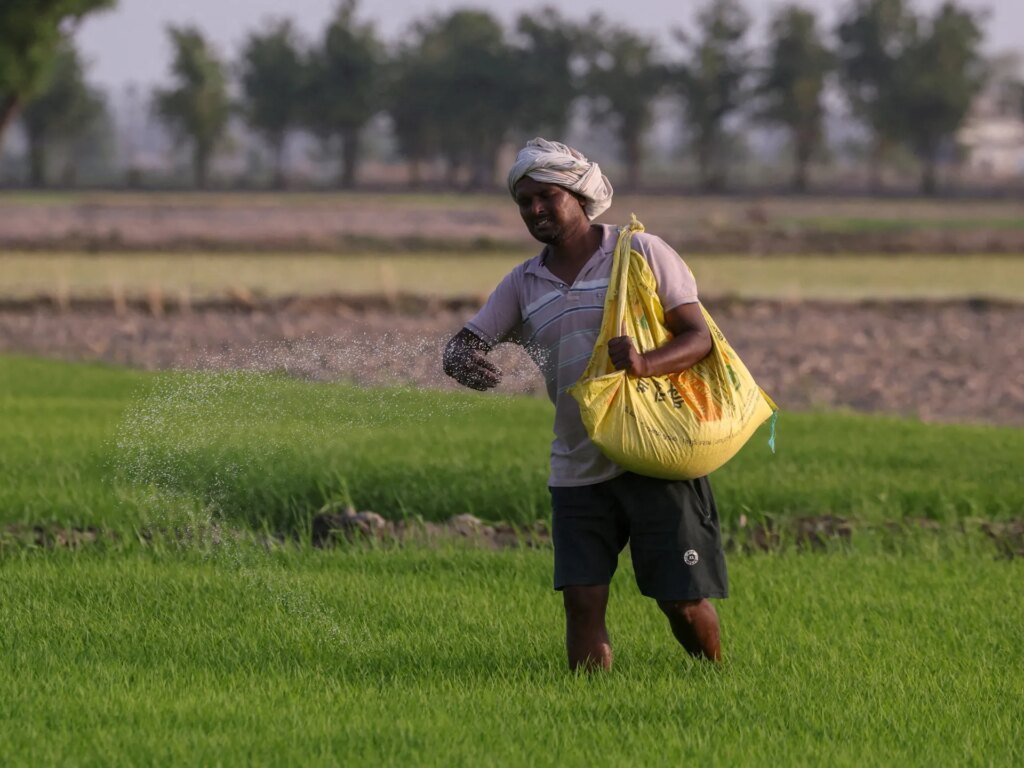
A senior United Nations official has sounded the alarm regarding potential food security issues in Asia and Africa. The pressing concern hinges on the need for rapid agreement between Iran and the United States to enable the movement of fertilizer through the troubled Strait of Hormuz. With planting season fast approaching, this collaboration is deemed essential for maintaining agricultural productivity.
Critical Timeline for Agreement
During a recent dialogue in Bangkok, Thailand, UN Under-Secretary-General Jorge Moreira da Silva emphasized the urgency of finalizing a UN-supported plan within weeks. This initiative seeks to establish a coordination center in Oman, aimed at registering vessels and ensuring their safe passage through the crucial waterway where significant global fertilizer supplies are transported.
Impact of Missing the Planting Season
According to Moreira da Silva, failure to act before the planting season could result in a “significant drop” in agricultural productivity, which would, in turn, lead to a marked increase in food prices. Farmers adhere to strict planting calendars, and even minor delays can dramatically affect crop yields.
Current Disruptions in Fertilizer Shipments
Since the onset of the US-Israel conflict with Iran, traffic through the Strait of Hormuz has faced major disruptions. Iranian actions targeting vessels and exchanges of fire with US forces have critically affected the global supply of urea, which is the most widely utilized nitrogen fertilizer, as well as seaborne sulfur, an essential component in fertilization processes. Before these disruptions, nearly one-third of global urea shipments and about half of seaborne sulfur flowed through the strait.
Despite some vessels being able to navigate through the troubled waters, fertilizer cargoes now constitute a “very negligible” proportion of the overall moving cargo, as reported by the International Food Policy Research Institute.
A Path Forward
Moreira da Silva indicated that the UN-proposed fertilizer mechanism, developed earlier this year, could be activated in as little as seven to ten days, provided both Iran and the US reach an agreement. Under this framework, UN monitors would collaborate with local authorities at Gulf ports to verify cargo loading. Ships would be continually tracked, with further inspections available should concerns arise regarding any vessel or its cargo.
He highlighted that allowing just five vessels to pass daily through the Strait of Hormuz could help maintain crucial fertilizer supplies to needy nations.
Negotiating a Comprehensive Deal
The UN mechanism could also complement ongoing discussions aimed at a comprehensive agreement to restore freedom of navigation in the strait. Since the collapse of an interim ceasefire in June, Iran and the US have been exchanging proposals through intermediaries. However, efforts to restore safety in the Strait of Hormuz have stalled over Iran’s conditions and the US’s requirement to address Iran’s nuclear program from the outset.
Moreira da Silva urged both parties, “While you continue your discussions towards a comprehensive deal, let us work, let us do our job.” His call comes at a time when the fear of fertilizer shortages intensifies, raising concerns over global food supplies.
The Broader Implications for Global Food Security
The United Nations’ Food and Agriculture Organization recently raised alarms about impending fertilizer shortages that could severely restrict food availability from late 2026 into 2027. Countries already grappling with climate change or other challenges would likely be hit the hardest. In South Asia, where a majority depends on imported fertilizers, farmers are currently battling skyrocketing costs and limited availability. Protests against rising production costs have emerged in regions like Spain, underlining the urgency of addressing this issue.
Conclusion
In summary, the ongoing disruptions in the Strait of Hormuz pose a significant threat to agricultural productivity and food security across Asia and Africa. Collaborative efforts between Iran and the United States, supported by the UN, are essential to ensure the timely movement of fertilizers, safeguarding the livelihoods of farmers worldwide.
- Urgent agreement needed for fertilizer movement to prevent food security issues.
- Current disruptions threaten global supplies of crucial fertilizers.
- UN-backed plans could facilitate the passage of vessels through the Strait of Hormuz.
- Ongoing tensions complicate negotiations but collaborative efforts remain critical.