
Addressing the Global Food Crisis: Trends and Challenges
The recent report highlights a significant decline in humanitarian and development spending aimed at food crises, returning to levels seen in 2016-2017. This decline occurs amidst a drastic 57 percent reduction in U.S. foreign aid last year and notable cuts from several European countries, including Germany, France, the Netherlands, and the U.K. Alarmingly, the proportion of the population facing acute hunger has nearly doubled during this period.
The Alarming State of Global Hunger
“Severe hunger has doubled, and famine has been declared in two locations,” remarked Cindy McCain, the outgoing Executive Director of the World Food Programme (WFP). “The same countries are trapped in a relentless cycle of hunger—exacerbated by conflict and insufficient funding.”
Last year, the WFP suffered losses exceeding $2.6 billion and laid off around 6,000 employees due to the dismantling of USAID, the primary foreign aid agency in the U.S. Other United Nations organizations, such as the Food and Agriculture Organization (FAO), have experienced similar challenges.
Rising Numbers of Food Insecure Individuals
In 2025, an estimated 266 million individuals across 47 nations faced elevated levels of acute food insecurity. The report warns that this figure might not fully capture the situation, as 18 countries lacked adequate data, marking the lowest coverage in a decade.
Famine Amid Conflict
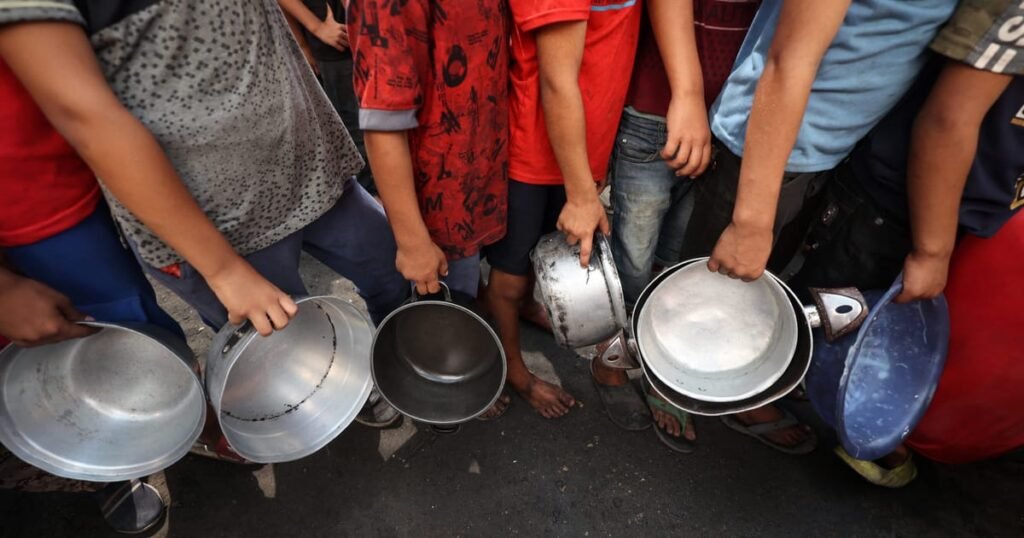
For the first time in its ten-year history, the report confirmed famine conditions in two areas simultaneously—Gaza and Sudan—both of which are affected by conflict and limited access to aid. “Famine is directly related to conflict,” stated Rein Paulsen, the FAO’s director for emergencies.
Conflict remains the leading cause of hunger in 19 countries, where more than 147 million people are in urgent need of food assistance—accounting for over half of the global demand.
The Impact of Ongoing Conflicts
Looking forward, the report emphasizes that escalating conflict in the Middle East is already disrupting global fertilizer and energy markets, further straining countries that heavily depend on food imports. Many of these nations were already facing crises long before the recent escalation of tensions.
Conclusion
The report sheds light on the grave challenges posed by a decrease in humanitarian funding and escalating conflicts leading to severe food insecurities worldwide. Action is crucial to address the persistent cycle of hunger and ensure that the most vulnerable populations are supported adequately.
Key Takeaways
- Humanitarian spending on food crises has plummeted to 2016-2017 levels.
- Severe hunger has doubled, and famine has been declared in Gaza and Sudan.
- Conflict remains a primary driver of food insecurity in many regions.
- The ongoing escalation in the Middle East is affecting global food supply chains.