
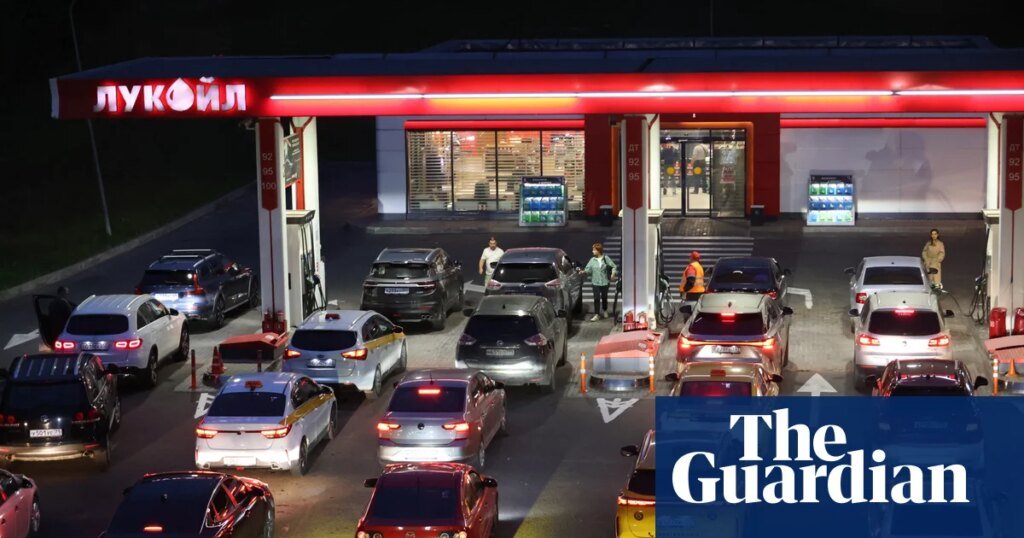
Russia’s Energy Crisis: A Struggle for Fuel Amid Supply Challenges
As summer progresses, Russia finds itself in an urgent race to secure gasoline that is essential for its refineries. With a variety of oil sources being tapped, this article delves into the complexities surrounding Russia’s fuel purchases, including transactions involving sanctioned tankers and international partners.
The Shift in Oil Supply Dynamics
This summer, Russia, previously the world’s second-largest crude oil producer, is facing serious challenges in maintaining its energy supply. A stark reminder of its predicament is evident as the Kremlin scrambles to fill the gaps left by damaged refining capacities. Fuel shortages have led to rationing at filling stations, particularly as long-range drone strikes from Ukraine target critical oil-processing facilities.
Seeking Alternatives
Recently, Russia purchased its first shipment of 200,000 barrels of gasoline from Turkey. The fuel, transported by the sanctioned tanker Wendrix, is making its way from Mersin to the Baltic port of Primorsk. This delivery marks the fifth confirmed shipment of vehicle fuel this season, complementing prior imports via Egypt from an Indian refinery amounting to a total of 1 million barrels.
New Processing Agreements
In a bid to bolster its energy resources, Russia signed a deal with the Kondensat oil refinery in Kazakhstan this week to process Russian crude outside its borders. Reports indicate that a significant 70% of the refined fuel will be shipped back to Russia. However, logistical challenges persist, as oil will be transported to the refinery by rail due to the absence of pipeline connections.
Escalating Fuel Imports
Fuel imports from Belarus, a close ally in the Ukraine conflict, have surged significantly. In June, imports saw an incredible increase of 141 times compared to the same month last year. Such trends underscore the escalating need for alternative energy sources as Russia grapples with intensified supply shortages.
State of Emergency
Despite hopes earlier this summer that the fuel crisis might be ameliorating, the situation deteriorated in August. At least six Russian regions have reinstated or strengthened limitations on gasoline sales, exacerbated by a fresh wave of Ukrainian strikes that completely halted operations at the Orsk refinery. Russia’s deputy prime minister, Alexander Novak, acknowledged the fluid nature of the energy situation, stating, “The situation is changing every day.”
Ukraine’s Strategic Campaign
The ongoing conflict has led to a focused campaign by Ukraine to bring the economic costs of war back to Russia. Amidst an extensive sanctions regime that is already straining Russia’s economy, Ukrainian drone strikes on refineries have worsened domestic fuel shortages, creating challenges that even the latest import initiatives cannot fully address.
Continued Conflict and Consequences
This August, Ukraine has launched 18 attacks on Russian oil facilities, matching a previous record and demonstrating the sustained intensity of its campaign. Even before this uptick in assaults, Russian oil production had already declined by 28%, highlighting the significant strains on the country’s energy capacity.
Long-Term Economic Implications
Experts have expressed concerns about the long-term repercussions of Ukraine’s targeted assaults on Russian energy infrastructure. Retired Australian General Mick Ryan remarked in June that such strikes are intended to complicate Russia’s calculations regarding the conflict rather than merely alter its rhetoric.
The Ripple Effect on Budget
According to a recent analysis by Petras Katinas and Natia Seskuria, the fuel shortages are not only a logistical problem but are becoming a critical budgetary issue for Russia. Ongoing strikes are disrupting operations and increasing costs for the Kremlin as it struggles to keep domestic fuel flowing while facing reduced export revenue. This dual challenge imposes a heavy burden on Russia’s economic stability.
Conclusion
As Russia grapples with its energy crisis, the landscape remains ever-changing, with domestic and international factors at play. The urgency to secure alternative fuel sources reveals the precariousness of Russia’s current energy situation, illustrating the ongoing impact of the Ukraine conflict on the nation’s economy and energy infrastructure.
- Russia is actively seeking alternative fuel sources to mitigate a growing energy crisis.
- Recent imports from Turkey and Kazakhstan highlight the diverse supply strategies being employed.
- The ongoing conflict with Ukraine has intensified attacks on Russian oil facilities, further straining resources.
- Economic repercussions from energy shortages are becoming a significant budget challenge for Russia.