
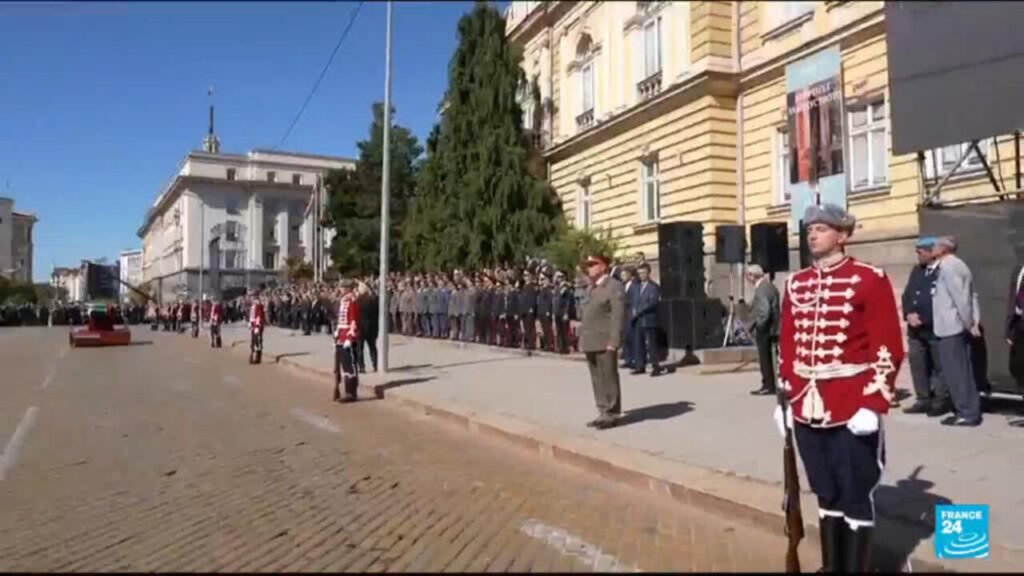
Return of Tsar Samuel’s Remains to Sofia
In a historic move, the remains of the medieval leader Tsar Samuel have been solemnly reinterred in Sofia, Bulgaria’s capital. This significant event marks the culmination of years of negotiations with Greece, resulting in the repatriation of the remains, which had been transported back by Bulgarian fighter jets. As this chapter closes, it symbolizes a remarkable reconciliation over heritage and cultural treasures.
The Journey Home
The remains, which had been held in Greece for several decades, were finally returned following lengthy discussions between Bulgarian and Greek authorities. This process involved delicate diplomacy and a commitment to sharing cultural artifacts.
A Historic Exchange
The negotiations not only led to the return of Tsar Samuel’s remains but also included agreements for the repatriation of various religious relics. This diplomatic exchange highlights the importance of cultural heritage in fostering relationships between nations.
Tsar Samuel: A Brief Overview
Tsar Samuel was a significant figure in Bulgarian history, ruling from 997 to 1014. His leadership during the Bulgarian Empire’s rise is still remembered fondly by many. The reburial of his remains in Sofia serves to honor his legacy and reconnect with a pivotal part of the nation’s heritage.
Symbolism of the Return
The reinterment is not just a physical return of remains; it symbolizes the restoration of national pride and identity for Bulgarians. The ceremony held in Sofia was marked by respect and reverence, celebrating a monumental moment in the country’s historical narrative.
Community Involvement
In addition to government officials, many community members gathered to pay their respects. The event fostered a sense of unity among Bulgarians, reinforcing cultural ties and collective memory.
Conclusion
The return of Tsar Samuel’s remains to Sofia is a poignant reminder of the importance of historical figures in shaping national identity. This event signifies more than just a simple repatriation; it represents healing, cultural pride, and a commitment to preserving history for future generations.
- The remains of medieval ruler Tsar Samuel were returned to Sofia, Bulgaria.
- This return was the result of extensive negotiations with Greece.
- The event was also a part of a broader exchange that involved religious artefacts.
- The reburial ceremony brought together community members and officials in celebration.