
Hong Kong’s Claw Machine Craze: A Fun Escape or a Risky Habit?
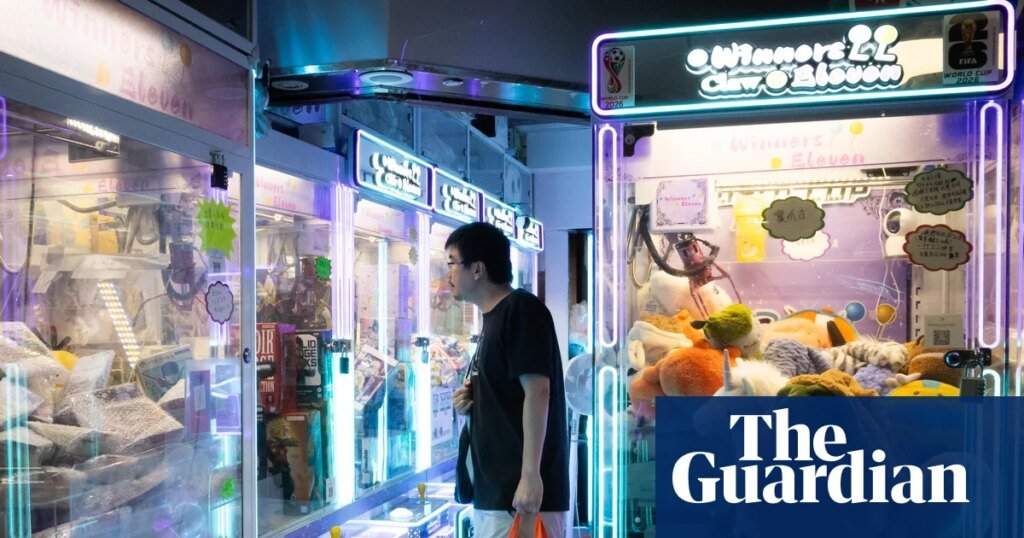
In the vibrant arcades of Hong Kong, claw machines have become a staple, showcasing a delightful array of prizes including plush toys, Labubu dolls, and a variety of Pokémon collectibles. The popularity of these machines has surged recently, with over 2,500 shops now dotted around the city, many filling the gaps left by businesses that shuttered during the pandemic. But as the excitement grows, so do concerns about addiction and unregulated practices.
A Neon Playground for All Ages
The energetic atmosphere of claw machine venues attracts players of all ages, with some establishments open around the clock. Hiu-ching, a 28-year-old radiographer, reflects on her experience, saying, “Visiting a claw machine shop feels like an escape!” Her newfound passion led her to rent a machine and operate her own small stall. For her, the thrill of the game often hinges more on luck than skill.
Every month, friends Jerry and Parco gather to enjoy their shared hobby of playing claw machines. Parco even recounted spending over HK$4,000 (approximately $510) in pursuit of prizes at the Dragon Centre, a beloved arcade in Sham Shui Po.
Endless Excitement, But at What Cost?
While many players seek out any prize, others specifically chase after rare collectibles that could potentially be resold for a profit. However, the light-hearted fun raises questions about the time and money some individuals devote to these machines. Recently, the home and youth affairs bureau of Hong Kong proposed stricter regulations to tackle potential addiction, which could include warning signs displayed in venues.
A recent court ruling exempted claw machines from needing public entertainment licenses, leaving them largely unregulated. This has fueled complaints from dedicated players frustrated with operators’ tactics, which some allege include narrowing the prize openings or adjusting the machines to reduce winning chances.
Note that the number of complaints has significantly risen, leaping from 16 in 2023 to 138 in the past year. Parco, a passionate player, voices his dissatisfaction: “I am quite unhappy about the current trend, as there are many ways to narrow or seal the hole.”
Claw Machines: Stress Relief for Many
Despite the controversy and rising complaints, claw machines remain a popular source of amusement for many Hongkongers. Ming Lee, a 38-year-old school cleaner, shares her experience of playing to unwind. Over the last two years, she has amassed around a hundred plush toys, driven by the thrill of winning. “It’s the excitement of successfully grabbing a prize that pulls me in,” she says.
Ki Kwong, a 25-year-old kitchen worker and claw machine owner, emphasizes the joy these machines can bring. His playful sign, “Remember to be happy,” reflects his desire to spread cheer among players. He generously gifts plush toys to his customers if they leave empty-handed.
“After playing for so long, I want others to understand that playing claw machines is about joy, not pressure,” Kwong expresses. He recognizes these games as a way to connect with the younger generation, who often face significant stress in their daily lives.
Conclusion
The rise of claw machines in Hong Kong embodies a cultural phenomenon where fun meets concern. As players find delight in the thrill of the game, it’s essential to remain vigilant about the possible risks associated with excessive playtime.
- Claw machines have become increasingly popular in Hong Kong, with over 2,500 locations.
- Concerns about addiction and operating practices have prompted proposed regulations from local authorities.
- Despite controversies, many people find joy and stress relief in playing claw machines.
- Operators and players alike express varying opinions on the ethics and enjoyment of claw machine gaming.