
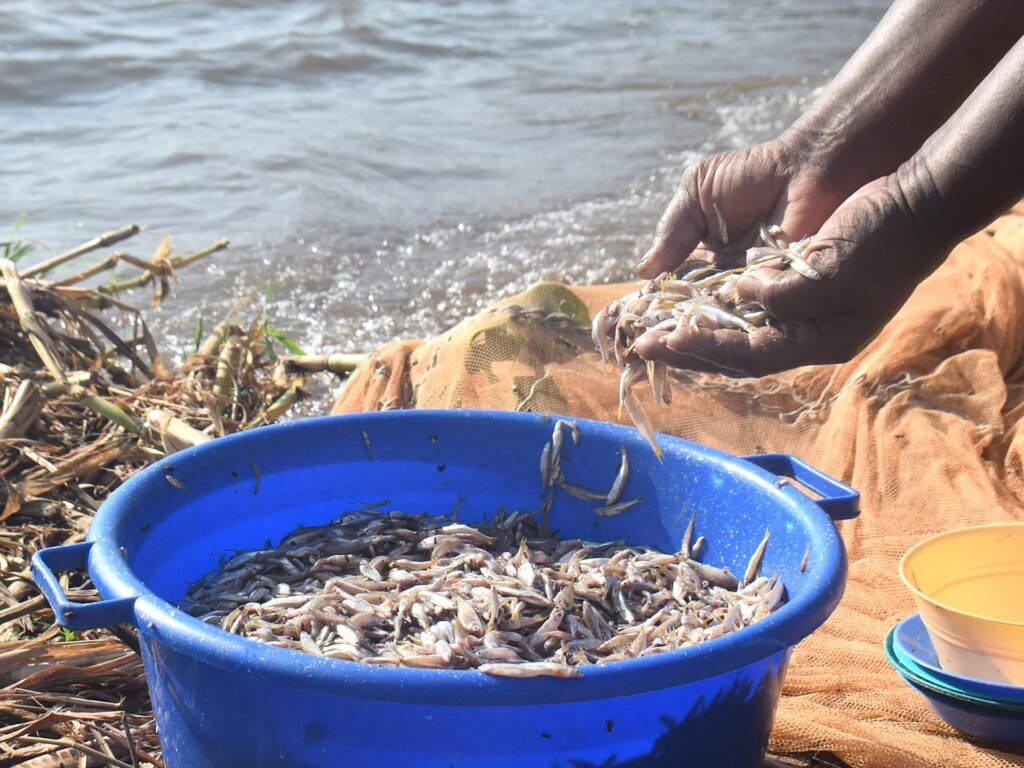
Breaking Taboos: Women Fishermen of Lake Victoria
In the small village of Kagwel, Kenya, the journey of Rhoda Ongoche Akech epitomizes the fight against deeply rooted cultural restrictions. In 2002, Akech, then 39 and a mother of seven, made a bold choice that defied centuries of tradition by stepping into a fishing boat—an act once deemed taboo for women. Despite the whispers and skepticism surrounding her decision, Akech persisted, showing that determination can reshape societal norms.
Changing Economic Realities
For years, Akech was a fishmonger—her livelihood tied closely to the fishing activities of men in her community. However, rising costs and dwindling income prompted her to seek new opportunities. Inspired by women from neighboring Homabay County who ventured into fishing, Akech decided to learn the trade herself.
A Cultural Barrier
In the lakeside villages of Lake Victoria, cultural beliefs often barred women from fishing. Male fishermen were also affected by strict rules linked to menstruation, which were believed to diminish fish catches. This prohibitive culture made Akech’s choice to fish even more significant.
Women in Fishing: A Gradual Shift
Akech’s bold step in 2002 paved the way for other women, but it took 16 years before another woman joined her. In 2018, Faith Awuor Ang’awo, encouraged by the economic pressures of fishmongering, decided to fish alongside Akech, despite initial resistance from her husband.
More Women Join the Trade
In 2020, Dorcas Awiyo, a housewife and mother of three, entered the scene after her husband changed his stance regarding her fishing aspirations. By 2022, the sight of women fishing had become commonplace, easing the process for newcomers like Janet Ndweyi. This evolution marked a significant cultural shift, driven by necessity.
Economic Opportunities in Fishing
Today, fishing has become a lucrative activity in Kagwel. Boat owners can earn between 6,000 and 8,000 Kenyan shillings on productive days, while crew members earn up to 800 shillings. Traders have the potential to make up to 1,000 shillings. This new economic viability contrasts with the meager earnings of 500 shillings that women previously made as fishmongers.
The Environmental Impact
While the surge in women fishermen is noteworthy, environmental concerns loom over Lake Victoria’s fishing communities. Declining fish populations are linked to climate change, disrupting the delicate ecosystem. Recent studies indicate that rising water temperatures and increased pollution threaten the lake’s fish stocks.
Community Adaptations
Efforts are underway to support sustainable fishing practices and raise awareness about the ecological challenges facing the lake. Women’s contributions to this changing landscape exemplify resilience in the face of climatic and social pressures.
The Stakes of Recognition
Despite their contributions, Akech and her team find themselves in a gray area regarding official recognition. Local authorities acknowledge that while many women engage in fishing, they often remain unsupported compared to their male counterparts, who enjoy more formal recognition.
A Satisfying Yet Challenging Journey
For those women, fishing has become a lifeline, providing both income and independence. Ndweyi, for example, uses her earnings to fund her children’s college education, a goal that was previously unattainable. Despite the challenges—including fluctuations in their catch—these women continue to brave the waters each day, forging a new path for future generations.
Conclusion
Rhoda Akech and her fellow fisherwomen of Kagwel reveal the power of determination to reshape societal expectations. Their perseverance serves as an example of how economic necessity can lead to breaking barriers and opening doors for women in traditionally male-dominated fields.
Key Takeaways
- Women breaking traditional barriers in Lake Victoria illustrate resilience against long-held cultural beliefs.
- The economic necessity has driven significant changes in the roles of women in fishing.
- Environmental challenges threaten the stability of Lake Victoria’s fishing communities.
- Despite their success, women face a lack of formal recognition and support in the fishing industry.