
Escalating Unrest in Albania: Protests Against the Government
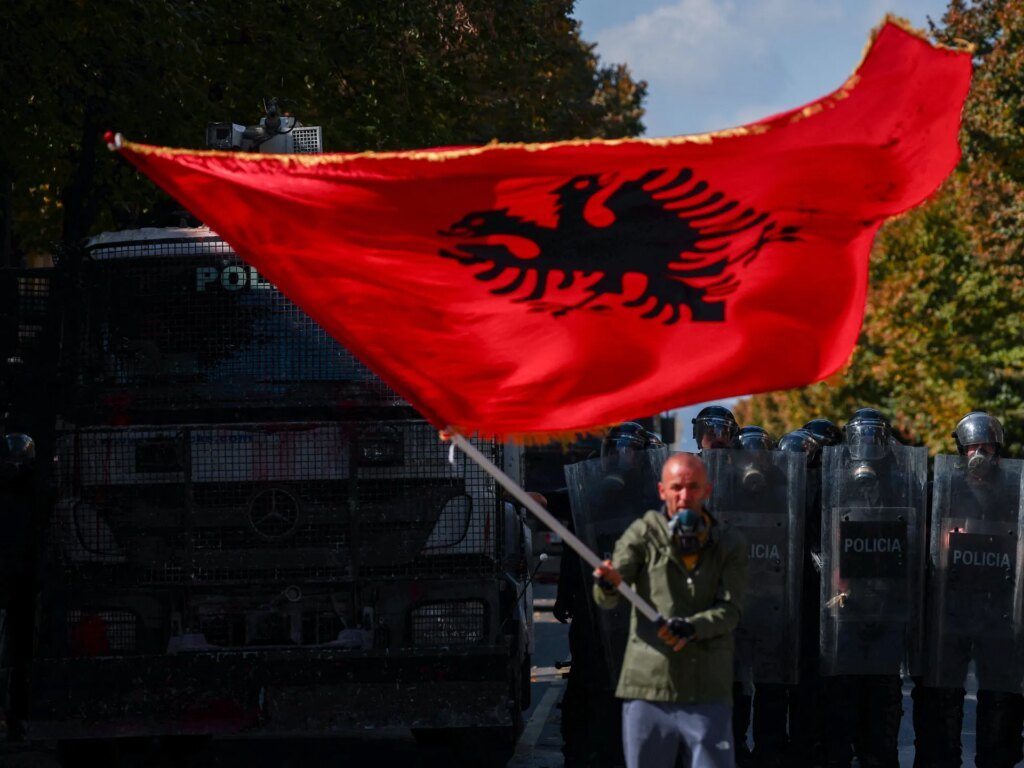
In a wave of unrest, protesters in Albania’s capital, Tirana, have recently clashed with riot police during escalating antigovernment demonstrations. This developing situation has attracted significant attention as thousands take to the streets in demand of Prime Minister Edi Rama’s resignation, fueled by grievances over university conditions, soaring tuition fees, and rampant corruption.
The Rise of Protests
The protests, which began earlier this week, are part of a broader trend of dissatisfaction that has been brewing over the past few months. Various groups are voicing their frustrations over a range of issues affecting their daily lives, with a notable emphasis on the state of higher education in the country.
Key Issues Driving the Demonstrations
Protesters have outlined several core issues that have led to their discontent:
- Poor university conditions: Many students and educators are highlighting inadequate facilities and resources for higher education.
- High tuition fees: The rising cost of education has left many students struggling to afford their studies.
- Corruption: There is a widespread belief among the protestors that corruption is prevalent within the government, undermining public trust.
Background of the Unrest
The current demonstrations have intensified following earlier protests that were sparked by a controversial development project linked to the family of former U.S. President Donald Trump. This connection has only heightened the feeling of frustration among Albanians, who perceive it as emblematic of broader issues within the government.
Anticipating the Future
As the protests continue to grow, many are left wondering how the government will respond. The unrest in Tirana highlights a significant turning point for the citizens of Albania and raises questions about their future direction. With increased attention on the government’s actions, the potential for further demonstrations remains high.
Conclusion
The situation in Albania serves as a stark reminder of the power of public dissent and the pressing need for governmental accountability. As the protests evolve, it will be essential to monitor both the responses from the government and the sentiments of the citizenry.
Key Takeaways
- Protests in Tirana are a response to poor university conditions, high tuition fees, and corruption.
- Demonstrations have grown significantly since the previous unrest linked to a controversial resort development.
- Public sentiment is increasingly directed towards demanding government accountability and reform.
- The future of these protests may shape the political landscape in Albania.