
Co-Pilot’s Attack: Aviation Security Questions Emerge
An incident involving a Flydubai co-pilot allegedly attempting to attack his captain with an emergency axe during a flight to Israel has raised significant concerns regarding aviation security protocols. This article explores the facts surrounding the incident, the individual involved, and the broader implications for pilot vetting processes.
The Incident at a Glance
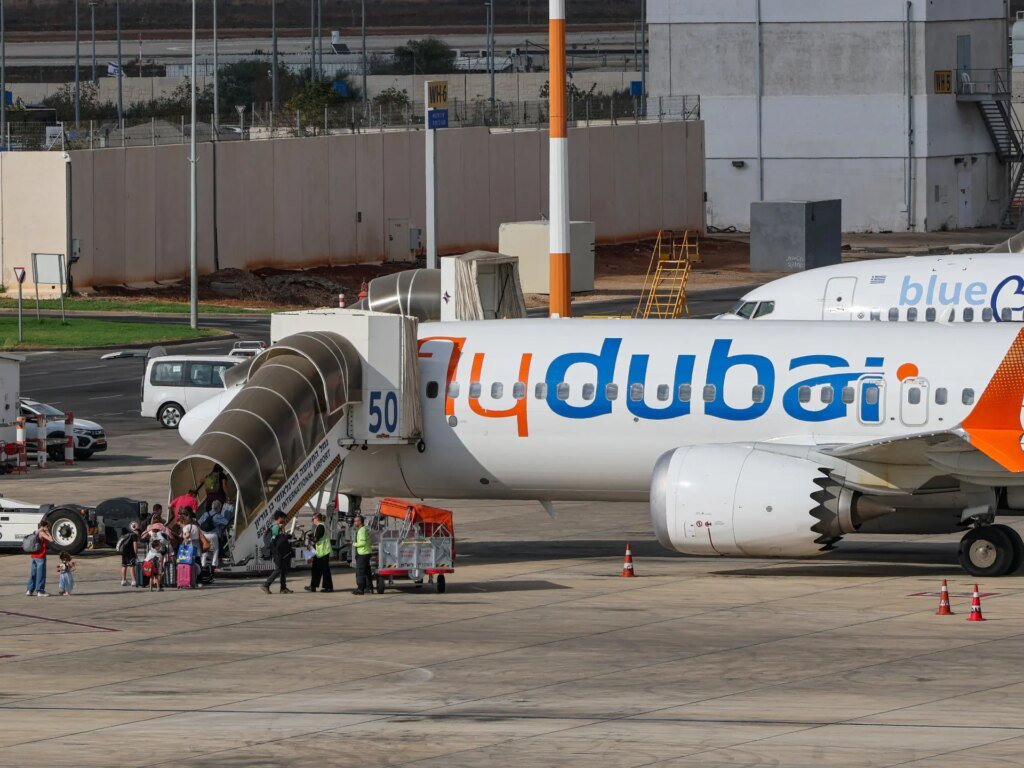
On September 30, a disturbing event unfolded aboard Flight FZ1073, reportedly identified as an attempted “terrorist” act. The co-pilot, named Hamam al-Hammami and an Omani national, was accused of trying to seize control of the aircraft. What complicates matters is that al-Hammami had previously been prohibited from flying due to his alleged “extremist” beliefs, prompting inquiries into how he was permitted to operate a flight to Tel Aviv.
Who is Hamam al-Hammami?
Multiple sources have confirmed that Hamam al-Hammami had been restricted from flying in Oman and was assigned to an administrative role at Oman Air following concerns about his views. Subsequently, he was hired by Flydubai. According to a Gulf diplomat, al-Hammami underwent standard security evaluations prior to his employment, although the specifics of those checks remain uncertain.
Reports indicated that al-Hammami’s LinkedIn profile indicated a lengthy tenure at Oman Air before moving to Royal Air Maroc, reflecting a professional journey stretching across years.
Overview of Pilot Background Checks
The scrutiny of commercial pilots can differ greatly by airline and country, as there is no universal standard for pilot background checks. A pilot and instructor explained that in many cases, a medical certification from the aviation regulatory authority in the pilot’s country of license is essential. In the UAE, this responsibility falls to the General Civil Aviation Authority (GCAA).
Common Screening Procedures
- A Class 1 medical assessment, covering areas such as vision, hearing, and general health.
- Psychological evaluations and drug testing may also be mandatory, depending on local regulations.
- Some airlines require police clearance checks from the pilot’s country of residence.
The focus extends to security checks for individuals who have unescorted access to restricted areas, ensuring that aviation safety protocols are strictly adhered to.
Concerns Over Israel’s Security Measures
Given Israel’s reputation for stringent aviation security, the incident prompted inquiries about how al-Hammami was allowed to operate a flight to the country. Israel’s security framework mandates that airlines provide detailed crew and passenger lists ahead of flights, enabling the authorities to assess potential threats. Flydubai reportedly complied with this requirement, submitting relevant information to Israeli security agencies.
The Role of Israeli Security Agencies
Israeli security bodies, including the Transportation Ministry and intelligence agencies, are tasked with evaluating these lists. However, some insiders indicated that while these responsibilities exist “on paper,” there may be gaps in intelligence capacity.
Israeli Prime Minister Benjamin Netanyahu noted existing protocols with foreign airlines to prevent pilots from countries lacking diplomatic relations with Israel from flying there. He called the situation a “loophole” and indicated that Israel intends to reinforce its security checks in light of this incident.
Conclusion
The incident involving Hamam al-Hammami serves as a stark reminder of the ongoing challenges facing aviation security. The UAE has stated that it is investigating the motives behind the attack and whether al-Hammami acted alone. UAE presidential advisor Anwar Gargash emphasized that this incident highlights the necessity of combating extremism and maintaining a firm stance against it.
Key Takeaways
- The co-pilot of Flydubai, Hamam al-Hammami, was previously barred from flying due to alleged extremist views.
- Aviation security protocols vary widely, creating potential vulnerabilities in pilot vetting.
- Israel’s stringent security measures are under scrutiny regarding the allowance of the flight.
- The need for enhanced background checks and intelligence cooperation in aviation security is emphasized by this incident.