
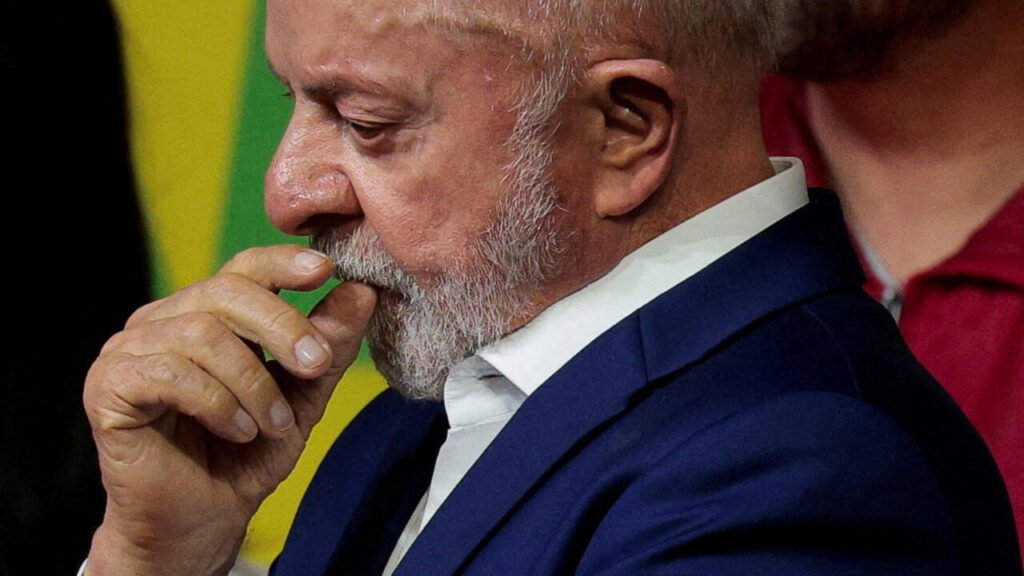
Brazil’s Presidential Election: A Critical Showdown
The political landscape in Brazil is rapidly shifting, with right-wing governments gaining traction across Latin America. The recent first round of Brazil’s presidential election revealed far-right Senator Flavio Bolsonaro taking the lead, closely followed by former President Luiz Inacio Lula da Silva, a seasoned leftist and trade unionist. With neither candidate claiming an outright majority, the nation is set for a pivotal run-off on October 25, determining the future for over 214 million Brazilians.
Election Results and Implications
Flavio Bolsonaro’s unexpected first-place finish came as a surprise to many supporters of Lula’s Workers’ Party (PT), especially since polls prior to the election had positioned Lula ahead. With other right-wing candidates sidelined, the second round is poised to favor Bolsonaro. Even if Lula can rally the more than twenty percent of voters who abstained in the first round, he faces significant challenges. Beyond the presidential race, Brazil’s congressional and gubernatorial elections also tilted sharply rightward. Bolsonaro’s Liberal Party (PL) looks set to become a dominant force in the legislative chambers.
Challenges for Lula
Despite Lula’s long-standing legacy of social policies that have lifted millions from poverty, he appears to be losing his grip, struggling to engage his base amidst a resurging far right that has united the nation’s business elite with an emerging lower-middle class. According to Thomas Zicman de Barros, a political research fellow at Sciences Po University in Paris, the younger Bolsonaro continues to resonate with voters disillusioned by the political status quo. He observes:
“Despite his father’s imprisonment and the scandals surrounding the family, they still represent a form of anti-establishment sentiment.”
Today, Lula, once revered for his populist roots, is viewed by some as part of the establishment—a defender of a democratic system that has its flaws and shortcomings.
Economic Concerns and Changing Perspectives
The current economic climate, impacted by a global cost-of-living crisis and rising household debts, has dulled the positive impacts of Lula’s previous terms. Felipe Krause, director of Oxford University’s Brazilian Studies Programme, points out that while unemployment is relatively low and income is rising, high prices have left many feeling a lack of hope for future prosperity. He comments:
“Lula’s camp hasn’t adapted to the significant changes in society brought about by their own successes.”
Krause emphasizes how a new middle class is emerging, demonstrating a preference for entrepreneurial, market-driven solutions rather than the social protections that have traditionally appealed to Lula’s supporters.
Bolsonaro’s Appeal and Distrust in Government
For many Brazilians, particularly those working multiple jobs in an expanding gig economy, Bolsonaro’s promises to reduce taxes and cut bureaucratic red tape are attractive. Zicman suggests that recent worldwide shifts in labor relations have contributed to a growing skepticism regarding government capability, stating:
“That spirit of individualism perhaps explains why some voters don’t trust that the left can change their circumstances.”
The far-right’s message resonates by proposing that individuals can succeed through personal effort, but opinions remain sharply divided on whether this approach will meet the real needs of the people.
Conclusion
The run-off election in Brazil will be critical not just for the presidency but for the nation’s direction as a whole. With a troubled political context and economic uncertainty, voters are faced with significant choices about their representation and future.
- Flavio Bolsonaro leads ahead of Lula in Brazil’s first presidential election round.
- The upcoming run-off on October 25 will determine Brazil’s next leader.
- Lula struggles to engage voters amidst a shifting political landscape and economic concerns.
- The rise of right-wing sentiment reflects broader global shifts in societal perspectives on government and personal responsibility.