
French Police Utilize Social Media to Track Looters
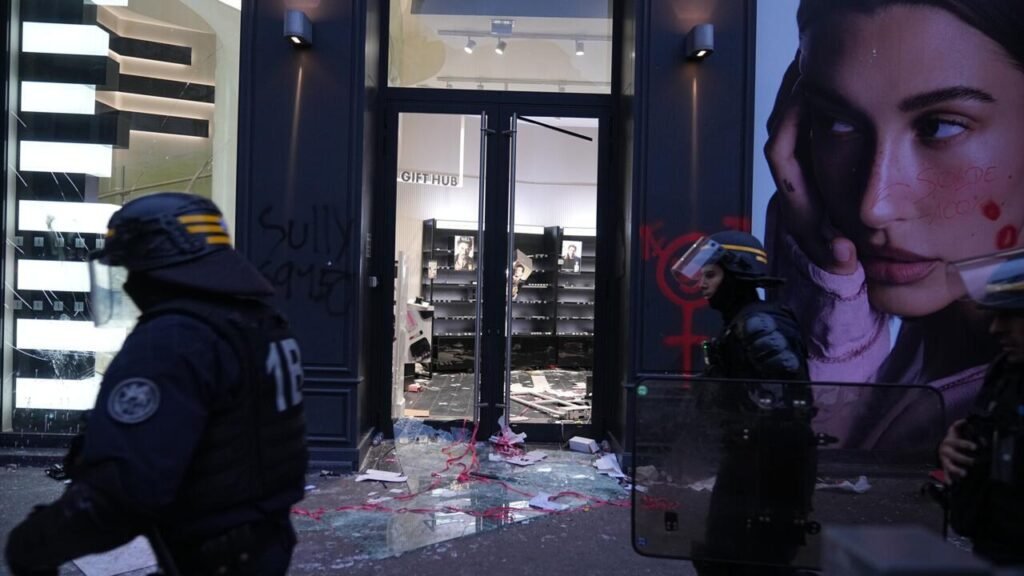
In response to the recent unrest in France which resulted in extensive looting, authorities are turning to social media as a key resource for identifying and apprehending suspects. This approach enables them to combine digital evidence with real-time forensic follow-up efforts.
Using Technology to Combat Crime
Amidst the chaos of last weekend’s looting, police officers have adapted their methods, relying heavily on the vast digital footprint left on social platforms. An officer known only as Bruno, situated in a high-tech operations center filled with screens, emphasized their role in this effort. “We analyze social networks and then verify those findings with our own tools to correlate the crimes observed online with our ongoing investigations,” he explained.
Tracking Down Suspects
Bruno, working alongside a team of digital sleuths, utilized both public surveillance cameras and those installed in the regional transport system to trace the activities of a group of four individuals linked to the looting. He noted that this digital trail allowed them to follow the suspects almost back to their residences.
“Our team has access to around 80,000 security cameras, making it easier to capture vital footage,” Bruno added, pointing out how social media platforms like TikTok and Instagram often provide initial leads. “Sometimes, victims might be too shaken to report a crime, but they post about it online. We use geolocation data to find these individuals and confirm the incidents,” he elaborated.
The Interplay of Footage and Witness Testimony
As the investigation process unfolds, the interplay of digital footage and proactive police work helps to construct strong cases. Another officer from the unit remarked, “Even if a suspect denies their involvement, compelling video evidence can establish their presence at a crime scene.”
This method has proven effective in various protest-related incidents, including violent confrontations with law enforcement. To facilitate reporting, Michel Lavaud, a security official for the greater Paris area, announced the creation of a platform for witnesses to submit their recordings of the disturbances.
Enhanced Law Enforcement Efforts
Justice Minister Gérald Darmanin indicated that facial recognition technology will also play a role in the investigation, comparing social media images to a police database. The French government, facing criticism over its handling of the unrest, has committed to increasing its focus on apprehending those responsible for the looting.
Prime Minister Sébastien Lecornu has mobilized over 200 investigators to concentrate on this issue, establishing a specialized unit that integrates transport security with law enforcement. According to the Paris police prefecture, their strategy incorporates deterrence through visible police presence, real-time intervention, and diligent prosecution of crimes.
Successes in Apprehending Suspects
While detailed digital investigations are essential for many cases, some suspects have been apprehended shortly after committing crimes. In Vienne, a town near Lyon, a 19-year-old man was arrested when spotted walking past a police station with stolen goods. Although he attempted to flee, officers quickly detained him. According to officials, the items he carried were valued at approximately €4,500 (about $5,000).
Conclusion
The innovative use of technology and social media is proving vital for French authorities as they seek to curtail the ongoing protests and looting. By harnessing these modern tools, the police are not only investigating crimes more effectively but also fostering a stronger sense of justice within the community.
- French police are using social media to gather evidence on looters.
- Officers are leveraging surveillance technology to track suspects.
- The government is ramping up investigative efforts with a dedicated unit.
- Facial recognition tech will be utilized to identify perpetrators.