
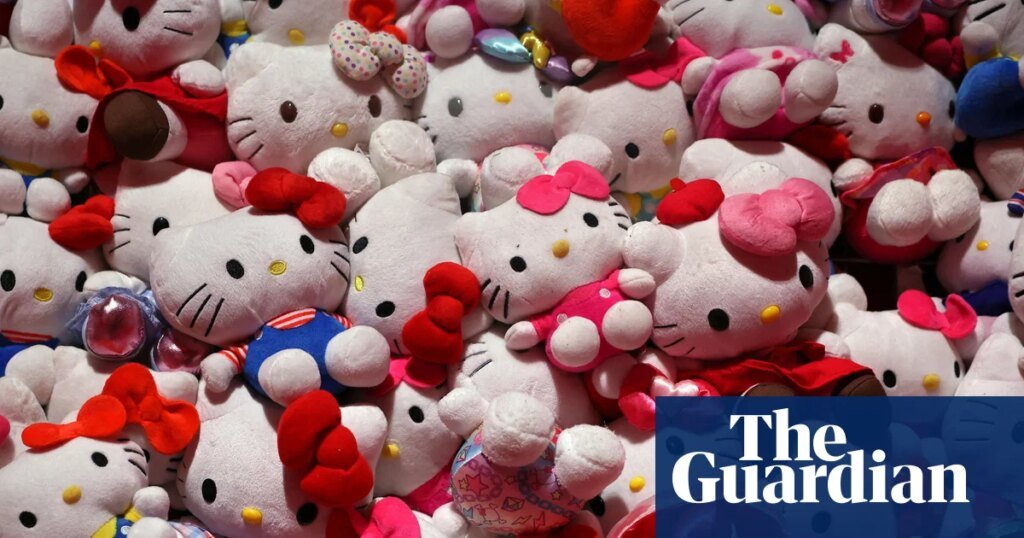
Sanrio Ends Partnership with TV Drama Amid Controversy in China
The company behind the iconic Hello Kitty franchise has made headlines by apologizing and terminating its partnership with a Japanese TV drama following backlash from Chinese state media and netizens. The controversy emerged over perceived negative representations of China in the show that have sparked widespread condemnation.
Sanrio’s Decision to Withdraw
Sanrio, a Japanese corporation famed for its globally beloved characters, announced its decision to end its collaboration with the spy thriller Vivant via a post on Weibo, a popular Chinese social media platform. The company determined that certain elements within the series conflicted with its core values.
The Drama and Its Repercussions
The second season of Vivant, produced by Japan’s TBS network, features renowned actor Masato Sakai in the role of a salaryman entangled in international crime and espionage. However, the latest episodes drew ire when they depicted Chinese agents employing “ruthless violence” against a unit of Japan’s Self-Defense Forces. This portrayal was labeled a “deliberate smear” against China by state media.
Critics have noted that some of the torture methods shown mirror the actions of Japanese troops during World War II, leading the state-run tabloid, the Global Times, to assert that the depiction distorts historical truths by associating modern Chinese characters with past atrocities.
Specific Scenes of Contention
The backlash intensified when a particularly graphic scene aired on October 4, depicting a Chinese agent brutally attacking a Japanese intelligence officer. Such violence triggered outrage, sparking discussions about the sensitive historical context between the two nations.
Sanrio’s Response and Future Actions
In light of the backlash, Sanrio stated, “Since its inception, Sanrio has consistently used its characters to convey values such as care and connection, and remains committed to its corporate philosophy of fostering harmony among all people.” The company assured that it takes the criticisms seriously and will enhance its review processes for all future collaborations.
Context of Japan-China Relations
While the first season of Vivant was devoid of controversies, the current season coincides with increasingly tense relations between China and Japan. A recent diplomatic row was triggered by comments from Japan’s Prime Minister Sanae Takaichi regarding potential military actions in response to a hypothetical Chinese attack on Taiwan.
The Impact on Sanrio
As a significant player in the Chinese market, where popular characters like My Melody and Cinnamoroll thrive, Sanrio has reported impressive revenue growth. The company generated approximately 781 million yuan (around $117 million) in the first half of the year—an increase of over 40% from the same period in the previous year.
The repercussions for brands that make missteps in China were underscored recently when French footballer Kylian Mbappé faced backlash from several Chinese companies after referring to Mao Zedong as a “dictator” in jest. He later expressed regret for his comments.
Conclusion
As cultural sensitivities continue to shape corporate partnerships, Sanrio’s decision underscores the importance of aligning brand values with audience expectations. The upheaval serves as a reminder of the potentially severe consequences arising from portrayals that may be viewed as offensive, especially in regions with complex historical backgrounds.
- Sanrio has terminated its collaboration with the TV drama Vivant due to backlash from China.
- The drama depicted violent portrayals of Chinese agents, deemed a “smear” against the country.
- Sanrio emphasized its commitment to values of care and harmony in response to the criticism.
- The controversy highlights the fragile nature of international relations and cultural sensitivities in media portrayals.