
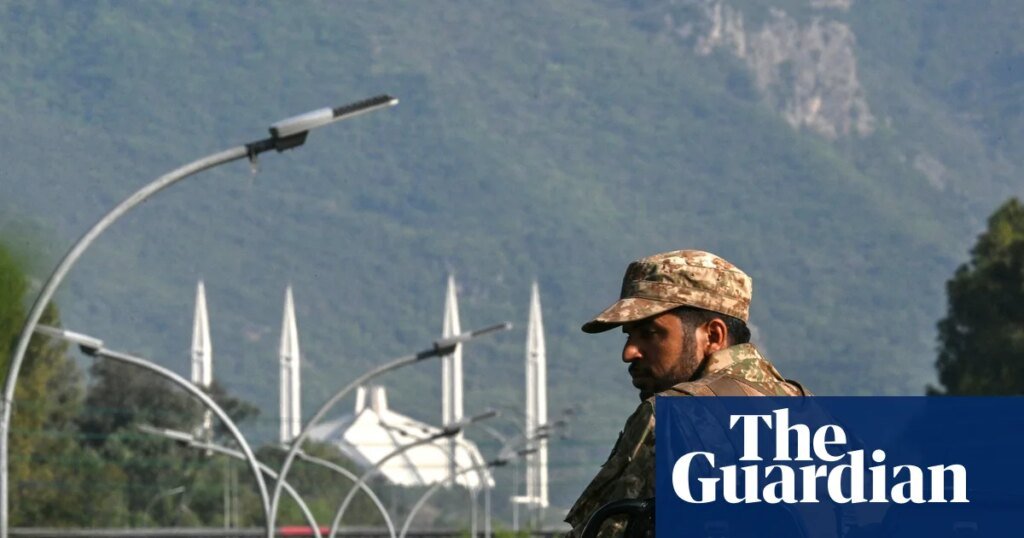
Pakistan Mediates Between Iran and the US for Peace Talks
As discussions continue in the realm of international diplomacy, Pakistan has emerged as a crucial mediator between Iran and the United States, striving to maintain dialogue and inch closer to a peace agreement. This behind-the-scenes effort may have profound implications not only for regional stability but also for the global economy and the livelihoods of millions, particularly in nations hit hardest by rising energy costs.
Continuing the Ceasefire
Officials in Islamabad regard the ongoing ceasefire, which has lasted for over three weeks, as a significant achievement. Both Washington and Tehran have acknowledged Pakistan’s role as a key intermediary. Prime Minister Shehbaz Sharif recently stated that he has received commitments for a revised proposal from Iran to facilitate this dialogue.
Shifting Dynamics in Diplomacy
Recently, Pakistan’s role has transitioned to a more discreet yet urgent function of facilitating backchannel communications. With direct talks stalling, Islamabad is confident that progress can still occur even without face-to-face discussions. Tensions between the US and Iran had escalated following a previous high-profile negotiation session in Islamabad, which concluded without a definitive agreement.
Recent Negotiation Challenges
Reports indicate that both nations hardened their stances after talks in April failed to yield a consensus. While Iran claims progress was made, the US contends that Iran was unwilling to make sufficient concessions. An initiative for a second round of talks was abruptly abandoned when Iran declined to engage with the American delegation.
Amidst this backdrop, US officials have hinted at a potential military response if negotiations falter. Meanwhile, some Iranian voices express dissatisfaction with what they perceive as Pakistan’s limitations in holding the US accountable for its commitments.
The Role of Pakistan
Masood Khan, a former ambassador from Pakistan to the US, emphasized that Islamabad’s mediation has not only involved transmitting messages but has also been instrumental in initiating a brief ceasefire. He highlighted Pakistan’s successful persuading of former President Trump to extend this temporary truce.
Key Objectives for Mediation
Moving forward, one of Pakistan’s objectives lies in convincing both parties to simultaneously lift their blockades across critical shipping lanes, particularly the Strait of Hormuz. While Trump recently noted that the blockade is more effective than military action, Iran’s Supreme Leader, Mojtaba Khamenei, hinted that they view the situation as having entered a critical new phase, indicating a reluctance to yield.
Building International Support
In an effort to bolster diplomatic efforts, Pakistan’s military chief recently visited Tehran, engaging various factions within the Iranian leadership. Prime Minister Sharif has sought regional support from countries like Saudi Arabia, Qatar, and Turkey, while also reaching out to distant nations such as Japan to strengthen the peace process. This week, Pakistan’s foreign minister also connected with the UK’s foreign secretary to discuss ongoing negotiations.
Keeping Diplomacy Alive
Tahir Andrabi, a spokesperson for Pakistan’s foreign ministry, asserted that the clock on diplomacy is still ticking. He suggested that the two nations might benefit from phone calls to keep discussions alive, stating that multiple proposals—ranging from outdated to fresh—are up for consideration.
The latest Iranian proposal included reopening the Strait of Hormuz while postponing discussions regarding its nuclear program, which the US insists must involve concrete commitments to prevent the development of nuclear weapons.
Looking Ahead
Despite challenges, Islamabad remains optimistic that a deal can be achieved. Nevertheless, it is a balancing act between Iran, which risks overextending its hands, and a US administration seeking a decisive triumph over compromise. Key issues still need resolution, particularly concerning Iran’s uranium enrichment practices and management of its highly enriched uranium stockpile.
Diplomatic experts suggest establishing a ten-year moratorium on uranium enrichment could serve as a starting point for discussions, allowing space for negotiation that accommodates both sides’ positions. However, Iran remains hesitant to compromise its stance on highly enriched uranium or its right to enrichment.
The Path Forward
Former diplomat Jauhar Saleem cautions against Iran adopting a negotiation strategy rooted in delay, stressing it could backfire. He also argues that the US must come to terms with the ineffectiveness of its pressure tactics against Iran in the past. Ultimately, he asserts that a viable agreement will require a balanced approach, ensuring that both parties feel they have achieved a favorable outcome.
- Pakistan is mediating discussions between Iran and the US to foster peace talks.
- The current ceasefire has lasted over three weeks, indicating progress in negotiations.
- Challenges remain, including disagreements on nuclear programs and regional blockades.
- Experts emphasize the necessity for a balanced agreement that meets the needs of both sides.