
Slow Vote Count Unfolds in Peru’s Elections
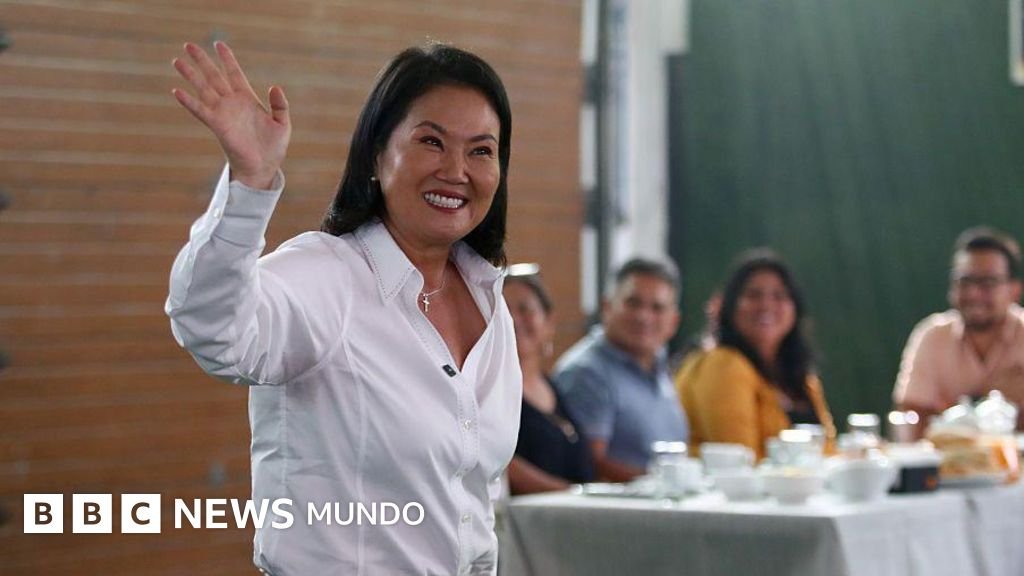
The recent general elections in Peru have led to a notably slow counting process, raising anticipation regarding who will secure the second spot alongside Keiko Fujimori in the upcoming runoff. As the leading candidate with a significant vote share, Fujimori, representing the right-wing party Fuerza Popular, is expected to make it to the runoff scheduled for June 7. With 90.3% of the votes counted, she currently holds 16.9% of the total. Close behind is the leftist candidate Roberto Sánchez Palomino from Juntos por Perú, with 12%, while the ultra-conservative Rafael López Aliaga from Renovación Popular trails just slightly at 11.9%. The race is extremely tight, with a mere 8,480 votes separating the runners-up. Centrist Jorge Nieto from the Partido del Buen Gobierno stands at 11.10%, and Ricardo Belmont from the Partido Cívico Obras is in fifth place with 10.16%. This fragmentation of the vote has made predictions difficult, leaving the outcome uncertain.
Voting Issues and Allegations of Fraud
While the elections proceeded largely without incident, several polling stations in metropolitan Lima faced disruptions, leading to missed ballots and igniting calls for the resignation of Piero Corvetto, head of the National Office of Electoral Processes (ONPE). In response, the National Jury of Elections has decided to reopen the affected centers on the following Monday, allowing citizens to exercise their voting rights. López Aliaga, one of the candidates, labeled the situation a “unique electoral fraud in the world,” estimating, without evidence, that his party lost 1.25% of its votes due to the mishap. Nonetheless, the percentage of votes affected nationally remains minimal, and Annalisa Corrado, head of the EU Election Observation Mission, has dismissed claims of any significant irregularities.
The Congressional Race
Peruvians also cast their votes for their parliamentary representatives during this election cycle. Authorities have opted to prioritize the counting of presidential election votes, resulting in a slower tally for congressional elections. The control of Congress holds critical importance in Peru, as the legislature has the power to dismiss the president if enough votes are gathered for a presidential vacancy, contributing to the country’s ongoing political instability, which has seen eight presidents in the last decade.
Future Political Landscape
A constitutional reform passed in 2024 reinstates bicameralism and the Senate in Peru. The newly established Senate will possess substantial powers, and analysts agree that the controlling majority will play a crucial role in shaping the political landscape and could potentially influence or even remove the president from office.
In Conclusion
As the vote count continues and debates evolve around electoral integrity and the future of congressional power, Peru stands at a critical juncture in determining its political direction. The evolving situation remains fluid, with much at stake for the upcoming runoff and the composition of its legislative body.
Key Takeaways
- The vote count in Peru’s elections is progressing slowly, with Keiko Fujimori leading.
- Allegations of electoral fraud have emerged amid logistical issues during voting.
- The future composition of Congress is significant for political stability, impacting presidential power.
- Reforms have reinstated a bicameral legislature, potentially reshaping Peru’s political landscape.