
Europe’s Climate Crisis: Adapting to New Challenges
In 2026, Europe is grappling with unprecedented challenges due to climate breakdown, marking it as a pivotal year for the continent. With over 30,000 excess deaths attributed to extreme heatwaves, the situation has escalated beyond mere environmental concerns. From devastating wildfires to the closure of nuclear power plants, the energy crisis has intensified, heavily impacting hydropower generation and causing drastic fluctuations in electricity prices. This article explores Europe’s response to these challenges and whether the measures proposed, such as President Ursula von der Leyen’s “heatwave plan,” are viable solutions.
Understanding the Scope of the Crisis
Europe’s landscape has changed dramatically under the pressures of climate change. Major incidents this year include:
- Over 30,000 excess deaths linked to heatwaves.
- Record-breaking wildfires consuming vast areas of land.
- Nuclear power plants forced to shut down.
- Gas plants operating under significant strain.
- Drought conditions leading to a decline in hydropower generation.
- Severe disruptions in agriculture, affecting crop production and food security.
Is the EU Effectively Adapting?
With these overwhelming challenges, a pressing question arises: Is the European Union effectively adjusting to this new reality? The initiatives proposed by Commission President Ursula von der Leyen, including the anticipated “heatwave plan,” aim to mitigate the impact of extreme temperatures. However, critics wonder whether these plans will be sufficient to tackle the urgency of the situation.
Perspectives from MEPs
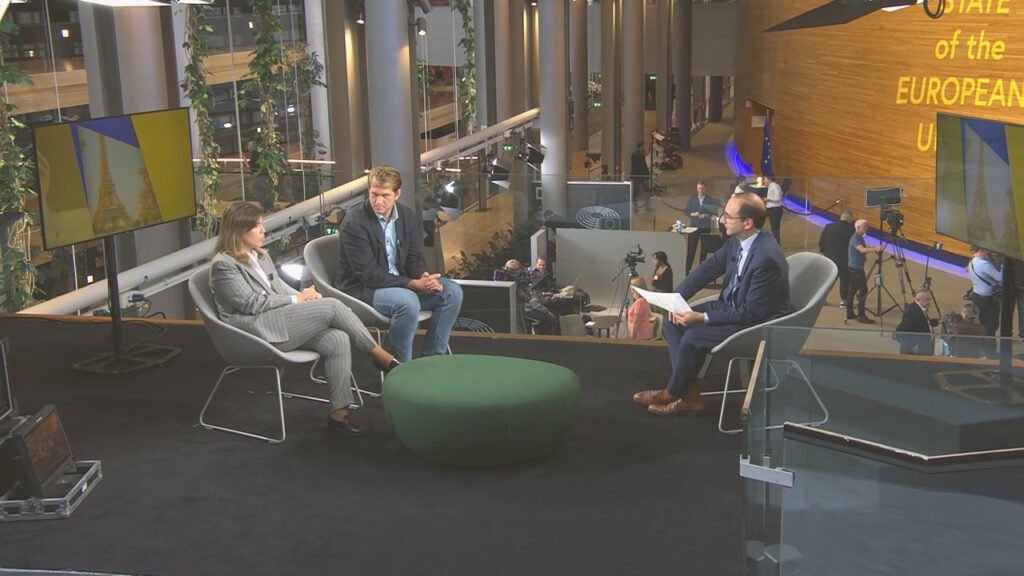
To get insight into Europe’s strategy, we consulted two Members of the European Parliament (MEPs): Michael Bloss from the Greens/EFA and Lidia Pereira from the European People’s Party.
Michael Bloss – German MEP, The Greens/EFA
Michael Bloss emphasizes the need for immediate and robust action. He advocates for sustainable solutions that address not only the symptoms of the crisis but also the underlying causes of climate change. His vision focuses on long-term resilience, urging the EU to prioritize renewable energy and comprehensive support for affected communities.
Lidia Pereira – Portuguese MEP, European People’s Party
Lidia Pereira offers a different perspective, highlighting the economic implications of the crisis. She stresses the importance of balancing environmental needs with energy security to safeguard jobs and the economy. Pereira’s approach calls for pragmatic solutions that consider the investment required for sustainable transitions.
Conclusion
As Europe navigates through this challenging year, the emphasis on climate adaptation has never been more critical. The proposed measures, including von der Leyen’s “heatwave plan,” will require careful evaluation and public support to be effective. Addressing climate change is a collective journey that demands collaboration, innovation, and resilience.
Key Takeaways:
- 2026 has witnessed over 30,000 additional deaths due to extreme heat.
- Wildfires and energy plant shutdowns are significant issues facing Europe.
- MEPs Michael Bloss and Lidia Pereira provide differing views on EU adaptation strategies.
- Effective climate action will require collaboration and sustainable investment.