
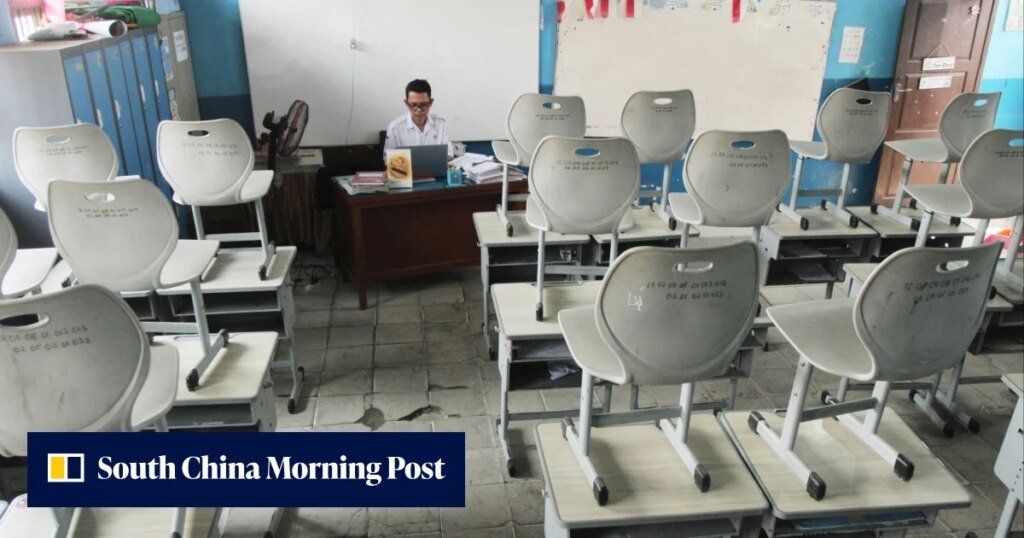
Schools Transition to Online Learning Amid Worsening Haze in Indonesia
In Indonesia’s South Sumatra province, schools in the capital city, Palembang, have shifted to remote learning as hazardous haze from forest and peatland fires escalates. This environmental crisis has significantly impacted the air quality, leading to unhealthy conditions for residents, particularly for the over 1.4 million students affected nationwide.
The Ongoing Crisis of Forest Fires
Indonesia has long struggled with forest and land fires, a challenge that has been exacerbated this year due to an intensified El Niño phenomenon and a prolonged dry season. The smoke and toxic haze are not only a local concern but have also spread across borders, affecting neighboring countries in Southeast Asia and igniting a regional health emergency.
Widespread Effects of the Haze
In addition to affecting Indonesia, the smoke has traveled as far as the Philippines, over 800 kilometers (500 miles) away, and reached Malaysia. This led to emergency declarations in regions such as Sarawak on Borneo Island, where air quality levels were deemed critical.
Emergency Measures in Palembang
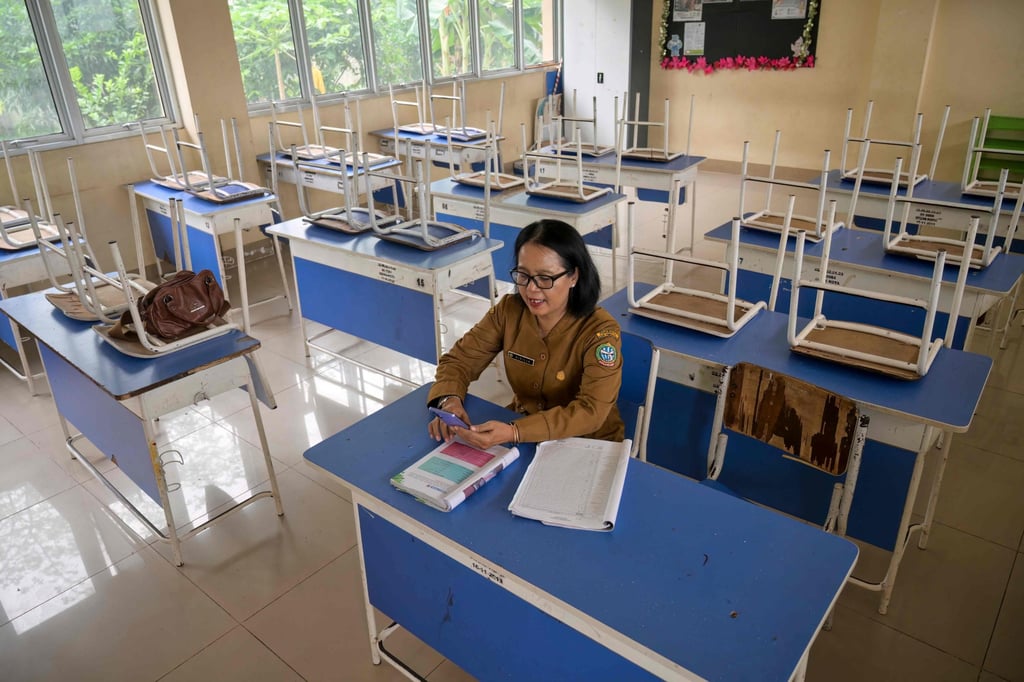
In response to the dire situation, schools ranging from kindergarten to junior high in Palembang began online classes on Wednesday as a temporary emergency measure. Mayor Ratu Dewa emphasized the health risks posed by the smoke, particularly acute respiratory infections that could affect children.
“The safety and well-being of students remain our top priority,” Dewa stated. In light of the remote learning setup, teachers have been instructed to lessen academic pressure by avoiding excessive assignments.
Future Considerations
The decision to shift to online learning impacts over 250,000 students across 1,030 schools within Palembang. Authorities plan to regularly assess the situation, aiming to resume in-person classes as soon as air quality conditions improve.
- Schools in Palembang, Indonesia, have moved to online learning due to hazardous air quality.
- The ongoing forest fires pose significant health risks, especially for children.
- Remote learning affects more than 250,000 students across the region.
- Authorities will review the situation regularly to determine when in-person learning can restart.