
The Complex Political Landscape in Iran Amidst Conflict
As the tension between Iran and the United States escalates, particularly with the looming possibility of a new war, a hardline political faction in Iran known as the Front of Islamic Revolution Stability, or the Paydari Front, has urged the Iranian parliament and the Supreme National Security Council to consider withdrawing from the Nuclear Non-Proliferation Treaty. This provocative stance suggests a push for Iran to advance its nuclear capabilities, with the Paydari Front advocating for rapid military development.
Escalating Tensions with Washington
This recent declaration marks another assertive response from Iran’s hardliners following the outbreak of conflict on February 28, when the U.S. and Israel launched military actions against Iran, citing concerns over its nuclear ambitions. The war has severely affected the Strait of Hormuz, leading to major disruptions in shipping and significant damage to infrastructure in Iran and neighboring Arab countries. Additionally, global energy supplies have faced major interruptions.
Political Divisions: Hardliners vs. Moderates
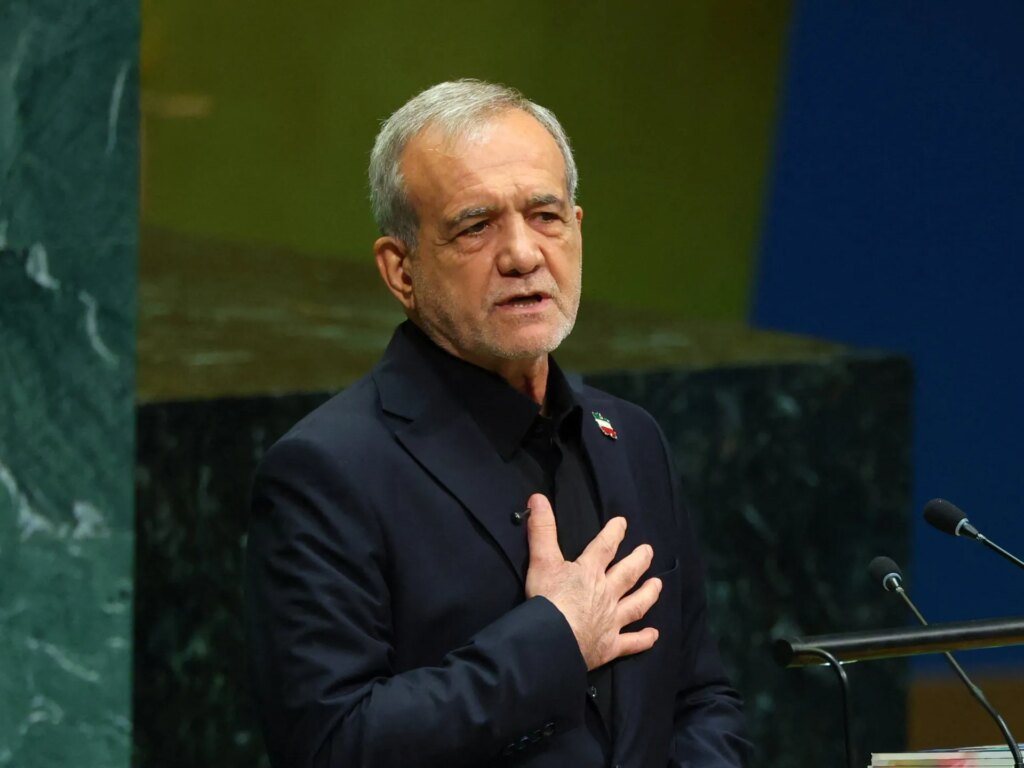
Over the past several months, a visible power struggle has developed between the moderate factions, represented by leaders like President Masoud Pezeshkian who favor engaging in dialogue with the U.S., and the hardliners of the Paydari Front, who oppose such negotiations. The moderates advocate for a rapid resolution to the conflict to address Iran’s deteriorating economy, while hardliners believe that only through shows of strength can the U.S. be compelled to meet Iran’s demands.
The Voice of the Streets
The domestic rivalry is palpable in major Iranian cities, where, for over 200 days, hardline supporters have held nighttime rallies. These gatherings, originally intended to show solidarity with the government against the U.S., have transformed into organized political events. Protesters criticize the moderates’ attempts to negotiate peace, chanting slogans such as “No compromise, no surrender – the fight against America” and “Negotiating with the enemy is a betrayal of the homeland.”
Influence of Hardliners on Government Policy
This faction wields considerable influence beyond the streets, with a robust presence in Tehran’s municipal government, the parliament, and various religious and academic institutions. Amirhossein Sabeti, a member of the Paydari Front in parliament, asserted that talks with the U.S. would not commence unless sanctions and the blockade of Iran’s southern ports were lifted. He emphasized that the fundamental aim from Washington remains the destruction of Iran, suggesting they are only waiting for the right opportunity for further military action.
Seeking Diplomatic Solutions
Despite the hardliners’ strong position, the political faction supporting the government continues to push for diplomacy. Journalist Davood Heshmati, who aligns with President Pezeshkian, highlighted that U.S. objectives seem to be shifting from outright regime change to more manageable goals, potentially paving the way for diplomatic discussions. He argues that while military options are always on the table, every effort should be made to avoid conflict through negotiation.
Understanding the Landscape of Power
Analyst Negar Mortazavi points out that while hardliners are a prominent force in Iranian politics, they lack the final say in foreign policy decisions. Their influence lies in their ability to rally support and sway political narratives rather than dictate national strategy. Ultimately, decisions regarding war and peace are made at the highest levels of Iran’s leadership, with diplomatic efforts being actively pursued.
Conclusion
The political scene in Iran remains intricately divided between those advocating for an aggressive stance against the U.S. and those pushing for peaceful negotiations. While hardliners work to undermine diplomatic efforts, it is evident that the door to dialogue remains open at the highest leadership levels, indicating a complex but ongoing negotiation landscape amidst the conflict.
Key Takeaways
- The Paydari Front has called for a withdrawal from the Nuclear Non-Proliferation Treaty, advocating for Iran’s rapid military development.
- Tensions with the U.S. have escalated, causing significant disruptions in trade and global energy supplies.
- There is a notable internal struggle in Iran between hardliners and moderates regarding the approach to the U.S.
- While hardliners are influential, they do not hold ultimate authority over Iran’s foreign policy, which remains driven by higher leadership decisions.