
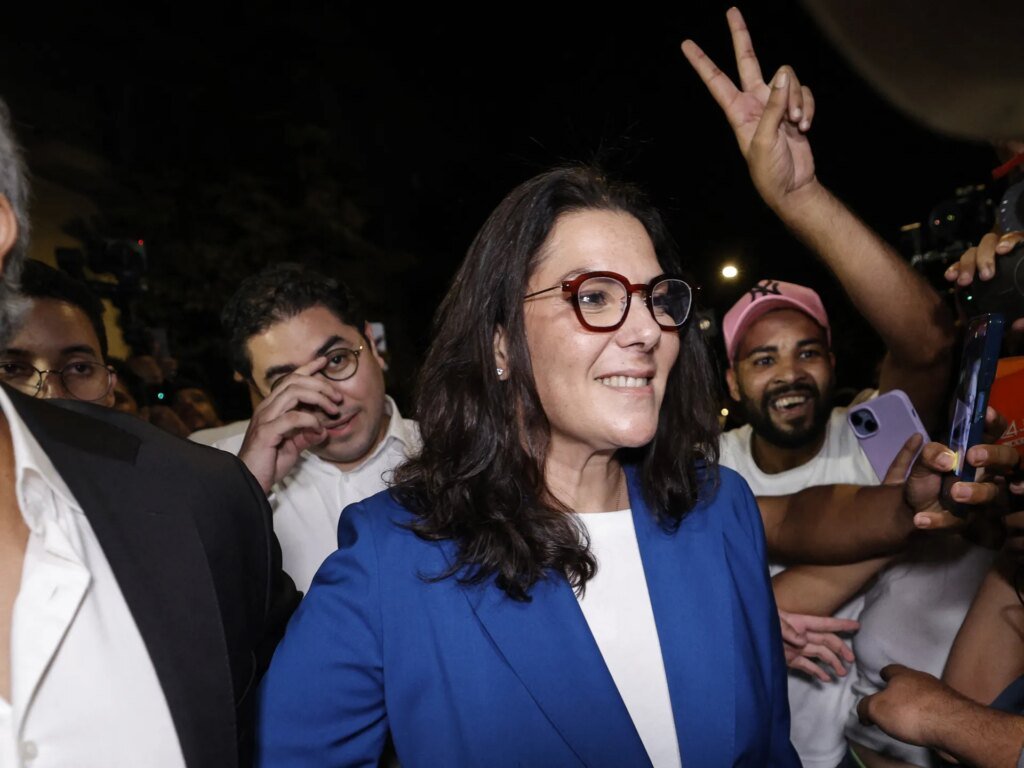
Morocco’s Parliamentary Elections: A Shift in Political Landscape
Morocco recently held parliamentary elections that significantly altered the political landscape, marked by a notable decline in voter turnout. The results reveal a transformation among the country’s leading political parties, including the rise of the Authenticity and Modernity Party (PAM) and the fall of the National Rally of Independents (RNI).
A Major Change in Party Dynamics
According to preliminary results, PAM has emerged as the leading party with 97 seats, a substantial increase from 87 in the previous elections. Meanwhile, the RNI, which dominated the last government, saw its representation shrink from 102 seats to 66. The Istiqlal Party also experienced a decline, dropping from 81 to 65 seats. Conversely, the Justice and Development Party (PJD) made a remarkable recovery, jumping from just 13 seats in 2021 to 54. The remaining seats were distributed among various smaller parties.
Voter Turnout: A Decline
This election witnessed a significant decrease in voter participation, with only 38.08% of registered voters casting their ballots. This figure is a stark drop from the 50.86% turnout in 2021 and falls below the 42.27% recorded back in 2016. This decline reflects a broader sense of social and political unrest in Morocco. In recent years, younger citizens have mobilized around issues such as unemployment, healthcare, education, and rising living costs, voicing their concerns not just at the polls but through various forms of activism.
Shifting Power Among the Major Parties
The three parties that made up the previous government emerged from the elections with a different parliamentary composition. While PAM gained 10 seats, RNI lost 36 and Istiqlal lost 16. Despite their losses, RNI and Istiqlal remain significant players in parliament, though their influence has notably shifted since 2021. PAM’s new position as the largest party puts it in a pivotal role for government formation under Morocco’s Constitution, which stipulates that the king appoints the prime minister from the leading party in parliamentary elections. However, PAM will still need to form a coalition, as it does not hold a majority in the 395-seat House of Representatives.
Coalition Talks Ahead
Given their combined 228 seats, PAM, RNI, and Istiqlal could potentially reestablish their three-party coalition without the need for additional parties. Yet, the question remains whether the rifts exposed during the election campaigns can be reconciled. Throughout the campaign, accusations were exchanged between PAM and RNI, despite their shared governance over the last five years. Prominent figures within PAM, such as Fatima Ezzahra El Mansouri, expressed skepticism about re-entering a coalition with RNI if they were to finish first, signaling potential challenges in forming a stable government.
The PJD’s Remarkable Recovery
The resurgence of the PJD is another significant development from the elections. After a dramatic drop to 13 seats in 2021 from 125 in 2016, the party is now back with 54 seats, securing its place among the four largest parties in parliament. Historically, PAM and the PJD have been rivals, adding complexity to the PJD’s potential role in any future coalition.
Fouzi Lekjaa’s arrival at PAM has intensified accusations from PJD leaders that the new party dynamics were designed to diminish the PJD’s political influence. Lekjaa has established himself as a notable figure in Moroccan politics, having transitioned from sports administration to become a senior member of PAM.
Understanding the Low Voter Turnout
The reasons behind the low voter turnout are multifaceted and warrant a closer examination. This year’s 38% turnout represents the second-lowest in Moroccan parliamentary history since King Mohammed VI’s ascension in 1999. Factors influencing this disinterest may include dissatisfaction with political parties, economic issues, and skepticism regarding the efficacy of electoral politics. These sentiments appear to vary across different regions and demographic groups.
For instance, participation rates were significantly higher in southern regions, with Laayoune-Sakia El Hamra reaching 77% and Dakhla-Oued Ed-Dahab at 61%. The contrasting turnout figures raise two essential questions: which parties will form the governing majority, and what are the underlying reasons that led many voters to abstain from participating in the elections?
Conclusion
In summary, Morocco’s parliamentary elections have ushered in a new era of political dynamics, with notable shifts in party standings and a declining voter turnout indicating underlying social sentiments. The election outcomes will shape coalition negotiations and the future political landscape of the country.
Key Takeaways
- PAM emerges as the largest party with a significant increase in seats.
- Voter turnout declines to 38.08%, raising questions about electoral engagement.
- The PJD makes a remarkable recovery, increasing its representation to 54 seats.
- The formation of a new government will depend on coalition dynamics among major parties.