
US Blockade on Iranian Ports: Implications and Developments
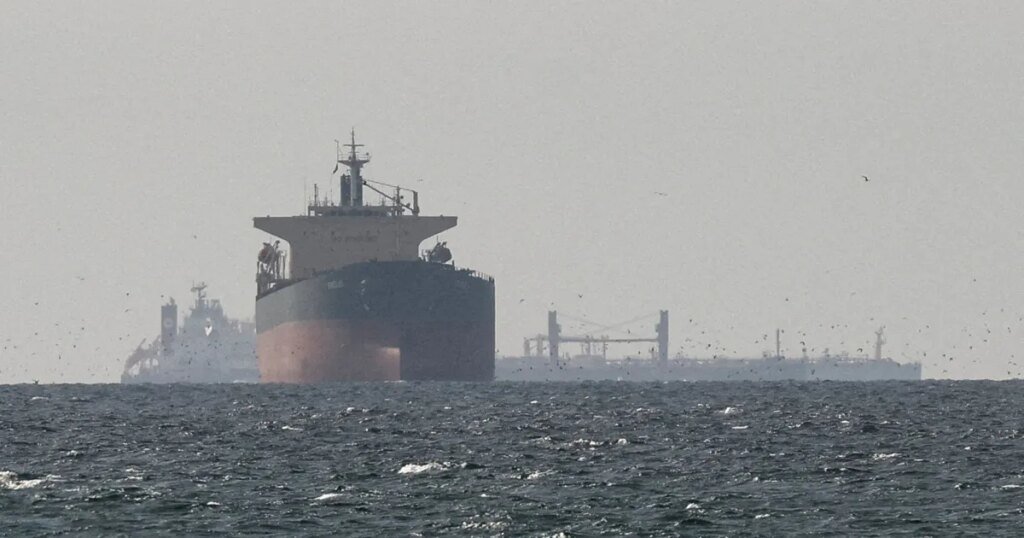
On the first complete day of the US blockade on ships visiting Iranian ports, at least three vessels, including two under US sanctions, have navigated through the Strait of Hormuz. Notably, these vessels were not destined for Iranian ports, thus circumventing any restrictions imposed by the blockade.
Current Maritime Activity
Data reveals that the Panama-flagged tanker, Peace Gulf, known for transporting Iranian naphtha, is on its way to Hamriyah port in the UAE. This medium-range tanker typically delivers its cargo to various non-Iranian ports across the Middle East for export to Asia.
Additionally, two US-sanctioned tankers successfully passed through this crucial waterway, which is pivotal for global energy shipments. The Handy tanker Murlikishan is en route to Iraq, where it is scheduled to load fuel oil. Previously identified as MKA, this vessel has a history of transporting both Russian and Iranian oil.
The third tanker, Rich Starry, is notable for being the first to exit the Gulf since the blockade commenced. This medium-range tanker has a capacity of approximately 250,000 barrels of methanol, and its owner, Shanghai Xuanrun Shipping Co Ltd, is also sanctioned by the US due to dealings with Iran. The cargo was loaded in Hamriyah, and the vessel features a Chinese crew.
The US Blockade Explained
The blockade was announced by US President Donald Trump following unsuccessful peace negotiations between the US and Iran in Islamabad. Prior to this, Iran had nearly halted vessel movement through the Strait in response to ongoing attacks linked to US-Israeli operations targeting its territory that began on February 28. Tehran’s control over this strategic chokepoint has significantly increased gas and petrol prices globally.
With this blockade, the US aims to diminish Tehran’s influence over the strait, making transition for Iranian tankers increasingly challenging. This new development complicates matters for numerous commercial vessels stuck in the Gulf, which must now obtain clearance from both Iran and US authorities.
As Malik Traina from Al Jazeera reports from Kuwait City, the potential for escalation is high. If Iranian vessels are halted, it could lead Iran to retaliate by obstructing other vessels trying to enter the Strait.
International Reactions
Chinese officials expressed concern regarding the blockade. Guo Jiakun, a spokesperson for the Chinese Ministry of Foreign Affairs, remarked that US military actions are likely to exacerbate tensions and undermine fragile ceasefire agreements. They labeled the blockade as “dangerous and irresponsible behavior,” which further jeopardizes the safety of maritime passage through the Strait.
China’s dependency on oil from the Middle East, and especially from Iran, is significant. Reports indicate that China consumed over 80% of Iran’s shipped oil last year, averaging 1.4 million barrels of Iranian crude daily, out of a total of 10.4 million barrels imported globally.
The Path to Diplomacy
Despite the blockade’s implementation, there remains room for diplomatic efforts. Trump has suggested that opportunities for negotiation still exist, and an official from Pakistan conveyed that the country is prepared to facilitate peace discussions as long as necessary. Ongoing diplomatic communications are noted between all involved parties.
Conclusion
The recent US blockade on Iranian ports has stirred significant maritime activity and heightened tensions in a critical region for global energy supply. With various stakeholders navigating this complex landscape, the implications of these developments continue to unfold.
Key Takeaways
- Three vessels have passed through the Strait of Hormuz, evading the new US blockade aimed at Iranian ports.
- The blockade has increased complexities for commercial shipping in the Gulf, as vessels need permissions from both the US and Iran.
- China’s significant dependence on Iranian oil raises concerns about the potential impacts of the US blockade.
- Opportunities for diplomatic negotiations remain, despite rising tensions in the region.