
Controversy Surrounding Constitutional Amendments in Zimbabwe
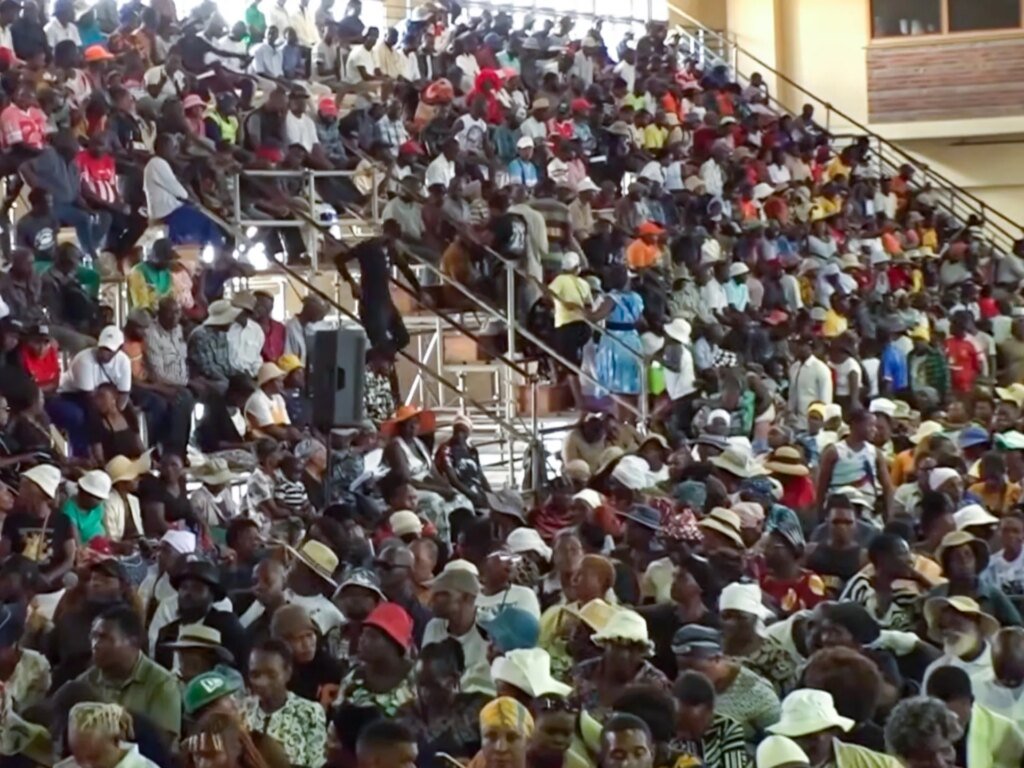
In the bustling streets of Chitungwiza, Zimbabwe’s third-largest urban area, tensions are high as residents gather at the main aquatic complex. The atmosphere inside is charged, reflecting the fiery debate over a proposed amendment to the country’s constitution that could potentially extend President Emmerson Mnangagwa’s term until 2030. This article delves into the implications of these proposed changes and the diverse opinions surrounding them.
The Proposed Amendments
The amendment seeks to alter presidential and legislative terms from five to seven years, also granting parliament the authority to elect the president instead of relying on a direct popular vote. Currently, the president is limited to two terms in office, but with Mnangagwa already serving his second term, concerns are mounting about the ZANU-PF party’s firm grip on parliament. Critics argue that these modifications could solidify the party’s power and hinder future leadership transitions.
Public Reaction and Hearings
Throughout Zimbabwe, public hearings have taken place to gauge citizens’ opinions on the Constitution of Zimbabwe Amendment (No.3) Bill, colloquially known as CAB3. During one such hearing in Chitungwiza, a woman vocally opposed the bill, highlighting the divisions among residents regarding its potential ramifications.
Supporters’ Views
In another session in Epworth, local resident Mike Kashiri expressed his support for the amendment, arguing that electing the president through parliament would reduce instances of political violence commonly associated with presidential elections. He believes this method would offer a safer political environment.
Opposition Perspectives
Conversely, Ishmael Phololo, a cellphone technician, voiced his concerns about the detachment of lawmakers from the realities faced by everyday citizens. He criticized the idea of extending the presidential term, expressing skepticism about the government’s ability to truly represent the people’s interests.
Government’s Justification
Justice Minister Ziyambi Ziyambi has framed the proposed amendments as necessary for enhancing political stability and continuity in governance. Following cabinet approval, the public hearings began, although they have faced criticism for being poorly organized and exclusive.
Concerns Over Fairness
Many participants in the hearings have voiced frustrations over the process. Instances of moderators shutting down opposing viewpoints have raised questions about the legitimacy of the consultations. Gift Siziba, a former opposition MP, argued that it is unlikely these sessions will yield unbiased outcomes given that those leading the discussions would directly benefit from the proposed changes.
The Pushback
In response, various organizations, including the National Constitutional Assembly, have united to oppose CAB3. They have criticized the hearings as fundamentally flawed and exclusionary, asserting that they do not align with democratic principles.
Widespread Concerns
A significant portion of the populace is uneasy about the limited availability of public consultations. Many individuals question why hearings are confined to a few locations and conducted on weekdays when most people are busy with work. The fear that the government intends to push this bill through parliament, where ZANU-PF holds a majority, further complicates the situation. This has led many to call for a public referendum to ensure that all citizens have a say in the outcome.
Political Implications
Experts, such as Justice Mavedzenge, suggest that CAB3 represents a strategic maneuver by President Mnangagwa to retain power long-term. There are lingering suspicions regarding dynastic ambitions, echoing past concerns from the era of former president Robert Mugabe.
Final Thoughts and Broader Implications
While proponents assert that extending the presidential term could lead to continued progress in infrastructure and development, critics caution that such changes could undermine democratic principles. The debate around CAB3 encapsulates the broader struggle for political representation and accountability in Zimbabwe’s evolving landscape.
Key Takeaways
- The proposed amendment could extend the presidential term to 2030.
- Public hearings have sparked widespread debate but faced criticism for their organization.
- Many citizens demand a referendum for transparent decision-making.
- Concerns persist about the potential entrenchment of power by ZANU-PF.