
China’s Push for Enhanced Grain Production Amid Global Challenges
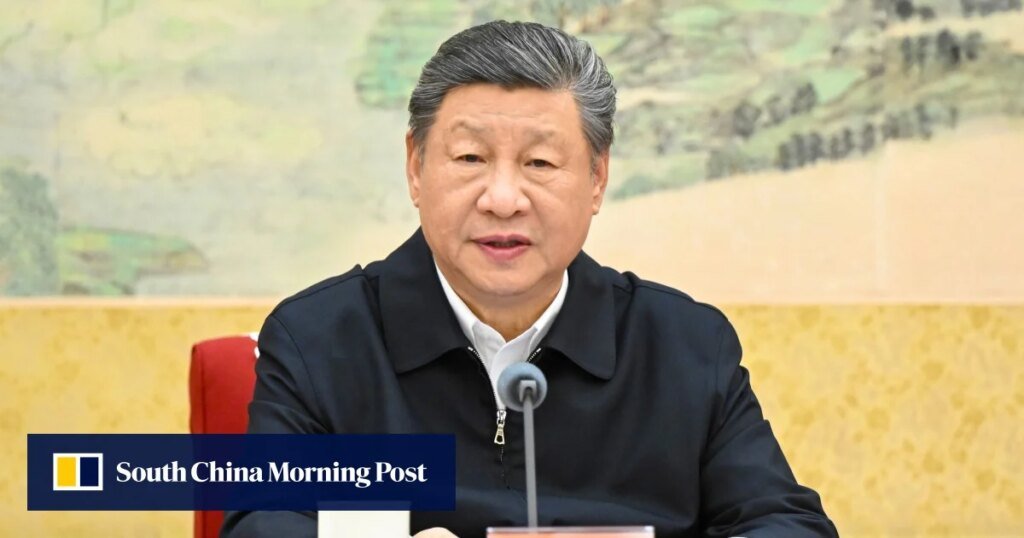
In a decisive move to fortify its food supply against global fluctuations, President Xi Jinping has called for significant advancements in grain production. This mandate, which emphasizes modernizing agriculture and rural areas, aims to bolster China’s self-reliance in food security over the upcoming year.
Xi Jinping’s Priorities at the Recent Conference
During a recent two-day work conference in Beijing, Xi underlined the importance of a steadfast policy towards grain output. He advocated for an increase in production capacity and efficiency through the integration of top-tier land, seeds, machinery, and innovative farming techniques. The overarching message was clear: there should be no leniency in efforts to enhance grain production.
“We must enhance the effectiveness of policies to bolster agriculture, support rural communities, and increase farmers’ prosperity while ensuring that the prices of grain and other essential agricultural products remain stable,” Xi remarked, according to statements from state-run media.
Strategic Focus on Agricultural Modernization
China’s leadership has positioned agricultural modernization and rural development as key components of its broader economic strategy. During the conference, there was a strong emphasis on accelerating the nation’s development into an “agricultural powerhouse.” This focus on agriculture aligns with the country’s goals to achieve greater self-sufficiency in the face of international uncertainties.
Food Security in a Volatile Geopolitical Landscape
The urgency surrounding food security has been amplified by a turbulent geopolitical environment. Self-reliance is increasingly viewed as an essential safeguard against external disruptions, especially given past tensions with major agricultural exporters like the United States and Russia.
Earlier this year, China halted imports of American soybeans as a response to escalating trade conflicts initiated by U.S. policies. This shift has prompted China to look toward Brazilian agricultural supplies while simultaneously ramping up its domestic production capabilities.
Conclusion
With global markets facing unpredictable challenges, China’s proactive measures to enhance grain production underscore the country’s commitment to ensuring its food security and agricultural resilience. As the government seeks to modernize its agricultural sector, the focus remains on building a robust framework that supports farmers and stabilizes food prices.
- President Xi Jinping emphasizes the need for increased grain production.
- Agricultural modernization is central to China’s economic strategy.
- Food security is a major concern amidst global instability.
- China’s response to trade tensions includes boosting domestic agriculture.