
Singapore’s Project Wolbachia: A Revolutionary Approach to Dengue Control
Since its inception in 2016, Singapore’s Project Wolbachia has made significant strides in combating dengue fever by releasing Wolbachia-infected mosquitoes throughout the nation. This innovative initiative is designed to curb the population of disease-carrying Aedes mosquitoes and has recently expanded to additional regions.
Expansion of the Project
In January, officials announced that Project Wolbachia would extend its efforts to include neighborhoods such as Balestier-Whampoa, Geylang, Moulmein-Dorset, and Pasir Ris. This expansion underscores the project’s objective to enhance public health and reduce the incidence of dengue across the country.
The Science Behind the Initiative
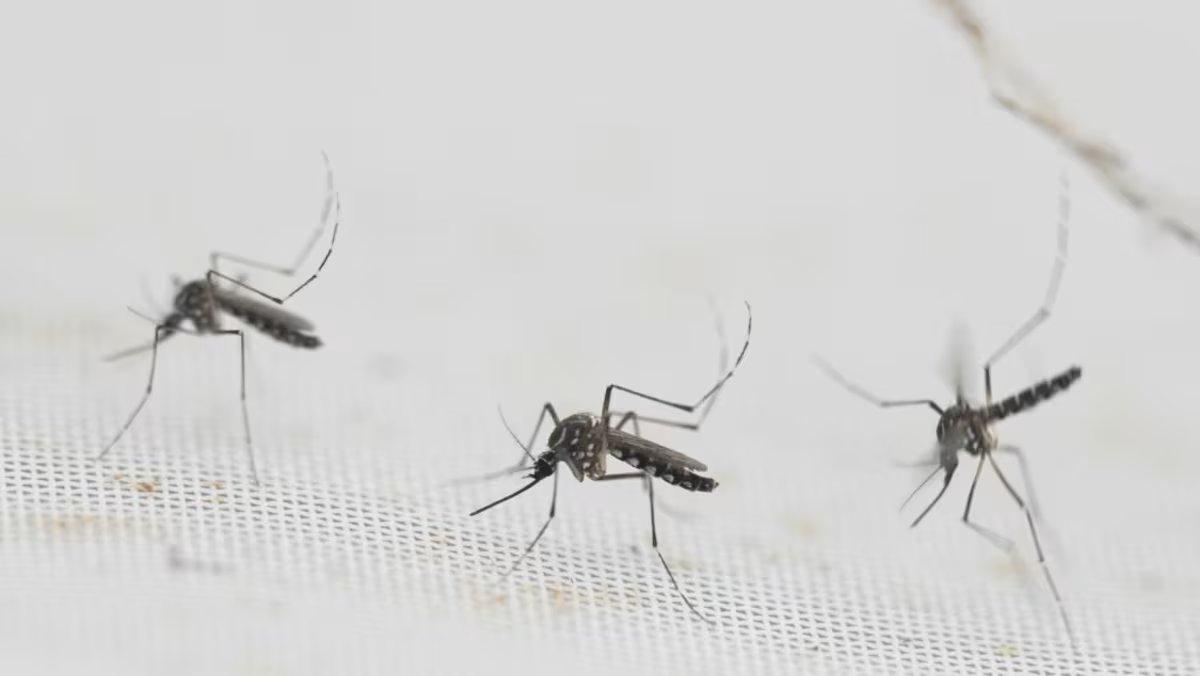
The process involves the release of male Aedes mosquitoes that carry the Wolbachia bacteria. When these males mate with female Aedes mosquitoes, the resulting eggs are rendered non-viable and do not hatch. One of the notable aspects of this initiative is that male mosquitoes do not bite. Instead of drawing blood, they feed on plant juices, significantly lowering the risk of disease transmission.
Impressive Results
According to the National Environment Agency (NEA), the project has successfully reduced the Aedes mosquito population by 80 to 90 percent. Consequently, the risk of dengue infection has dropped by over 70 percent in areas where the mosquitoes have been released. Residents living near these release sites enjoyed a remarkable 45 percent reduction in dengue cases compared to those in areas without such interventions.
Complementary Strategies
The NEA highlighted that these findings demonstrate Project Wolbachia’s effectiveness as part of a broader strategy to control dengue in Singapore. The initiative works hand-in-hand with other vital preventive measures, including the elimination of stagnant water sources and educational campaigns aimed at raising community awareness about dengue transmission.
Conclusion
Project Wolbachia represents a significant step forward in innovative public health solutions for dengue control in Singapore. By combining scientific advancements with community efforts, this project is effectively reducing the threat posed by mosquito-borne diseases.
- The Project Wolbachia initiative began in 2016 to combat dengue in Singapore.
- Expansion has reached new neighborhoods, including Balestier-Whampoa and Geylang.
- The release of male mosquitoes has decreased Aedes populations dramatically.
- NEA’s findings highlight the program’s effectiveness as part of a broader dengue control strategy.