
Oil Spill in the Gulf of Mexico: An Ongoing Environmental Crisis
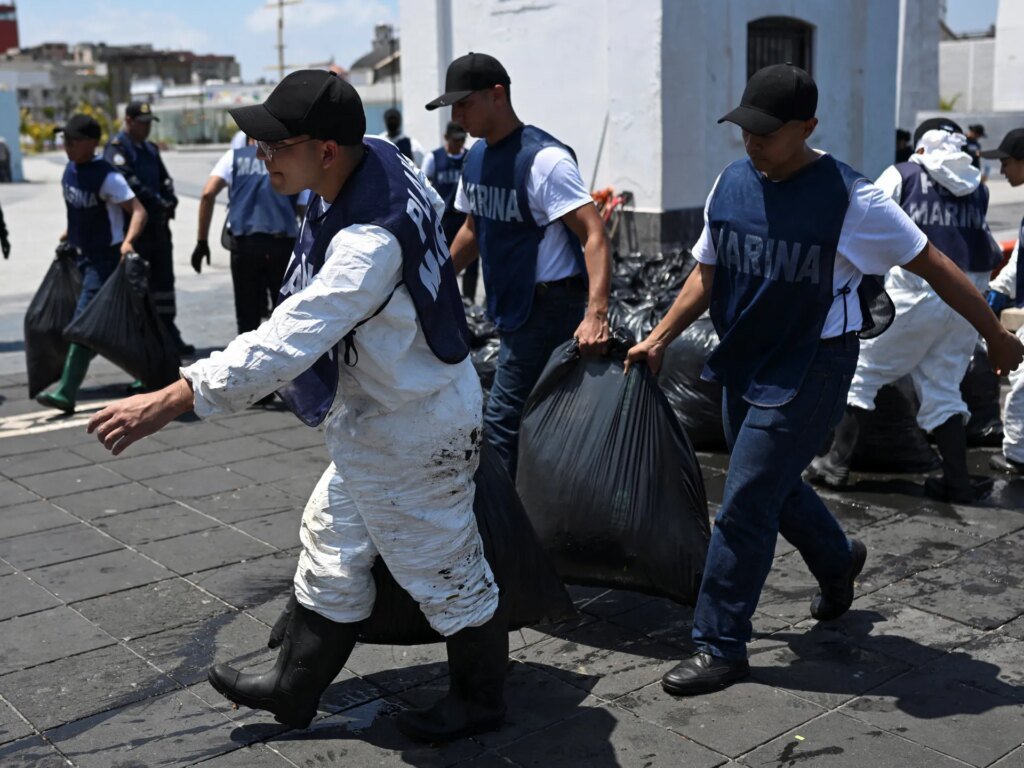
Recent reports have revealed that oil is leaking from three sources in the Gulf of Mexico, including an unidentified vessel. This incident has led to environmental concerns as the oil has spread across seven nature reserves, impacting more than 600 kilometers (373 miles) of coastline, according to Mexican authorities.
Background of the Incident
First noted in early March near the coasts of Veracruz and Tabasco states, this oil spill has triggered weeks of debate regarding the response on the part of the Mexican government. Noted environmental organization Oceana reported that while authorities do not anticipate severe ecological damage, the spill has tragically resulted in the deaths of vulnerable marine life, including sea turtles, a manatee, and various fish species. Additionally, 17 reefs have sustained damage.
Identified Sources of the Spill
During a news conference, Navy Secretary Admiral Raymundo Morales disclosed that investigations using satellite imagery and on-site inspections have identified three active sources of the oil spill:
- A vessel that remains unidentified, located near the port city of Coatzacoalcos in Veracruz.
- A geological site known as a “chapopotera,” situated about 8 kilometers (5 miles) from the Coatzacoalcos port.
- A natural leak occurring in the Bay of Campeche.
Morales mentioned that while the exact identity of the involved vessel remains unknown, there were 13 ships in the vicinity that had not been inspected as of early March. The natural seeps in the Bay of Campeche are believed to be contributing significantly to the spill.
Environmental Impact on Local Communities
Fisherman Leopoldo Salgado highlighted the visible effects of the spill by displaying clumps of oil residue he collected along the shore shortly after the incident was reported. The situation escalated further on March 17 when an explosion occurred near the Olmeca refinery, owned by state oil company Pemex. The explosion, reportedly caused by oily water overflowing onto a road, claimed five lives when a passing vehicle caught fire. Local residents expressed concern over potential adverse impacts on oyster populations in the nearby Mecoacan lagoon, as well as the livelihoods of local fishermen.
Criticism of Government Response
Environmental advocacy groups have condemned the perceived inaction of authorities in addressing the spill’s consequences. Greenpeace Mexico stated that authorities are treating the Gulf of Mexico as a “sacrifice zone” for the oil industry. They urgently called for a more proactive governmental approach to minimize damage and ensure timely communication regarding the incident.
“Federal authorities must provide information promptly and actively supervise, regulate, and repair the environmental damage resulting from oil activities,” stated Greenpeace.
Conclusion
The ongoing oil spill in the Gulf of Mexico underscores the significant environmental challenges faced by coastal ecosystems and local communities. As the situation evolves, it remains crucial for authorities to respond effectively to mitigate damages and protect these vital marine environments.
Key Takeaways
- The oil spill in the Gulf of Mexico has originated from an unidentified vessel and natural sources.
- Significant impact reported on marine life, including deaths of endangered species.
- Criticism of the government’s slow response to the environmental crisis has emerged from advocacy groups.
- Immediate action and better communication from authorities are essential to manage the situation effectively.