
The Current Dynamics of the Ukraine Conflict and Putin’s Position
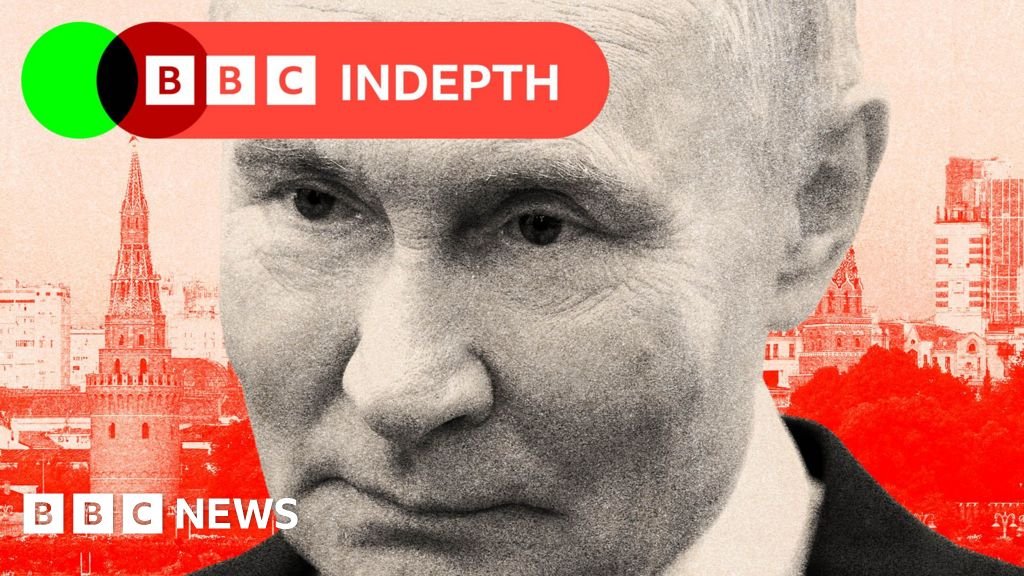
Vladimir Putin, often viewed as a cunning strategist in global politics, certainly lacks a poker face. There’s an evocative quote from the late US Senator John McCain, who humorously noted he saw a K, a G, and a B in Putin’s eyes—a nod to the leader’s background in Soviet intelligence. Observing Putin in discussions with American diplomats, it became evident that he radiated a sense of confidence, believing the diplomatic landscape had shifted favorably for him. With a warming of relations with the US and some success on the battlefield, Putin seems emboldened.
Putin’s Demands and Potential Scenarios
Currently, analysts suggest that Putin feels no urgency to back down from his demands. He insists that Ukraine relinquishes control of the remaining 20% of Donetsk, that all seized territories gain international recognition as Russian, Ukraine’s military capabilities are significantly reduced, and NATO membership for Ukraine is permanently off the table.
Possible Outcomes
Several scenarios could unfold in the near future. One possibility revolves around US President Donald Trump potentially pushing Ukraine towards a ceasefire, one that may not be well-received by Ukrainians—likely involving territorial concessions and insufficient security guarantees against future aggression. Trump has indicated that he might disengage from the conflict if Ukraine resists or if Russia rejects the terms.
Another likely scenario involves the conflict dragging on, with Russian forces making slow progress in eastern Ukraine. The Trump administration’s National Security Strategy has signaled a shift in perspective, deeming Russia no longer an “existential threat” and urging a reset in strategic stability.
Europe’s Role in the Conflict
As the situation evolves, Europe is positioned to escalate its involvement. Currently, there are discussions about forming an international military coalition to assist Ukraine, along with financial efforts aimed at reconstructing the nation.
Preparation for the Long Haul
Some European officials suggest preparing for a protracted conflict, extending support to Ukraine to not only win immediate battles but also to plan for a long war, potentially lasting 15 to 20 years. Efforts could include bolstering air defenses and possibly deploying European troops to western Ukraine to assist in border patrols, although many proposals have faced rejection out of fear of provoking Russia.
Keir Giles from the Chatham House think tank argues that such fears are unfounded and suggests Western forces could be effective in deterring Russian aggression.
Public Sentiment and Military Considerations
Questions arise about why Ukraine has not expanded its recruitment efforts. Despite possessing a substantial military force, many soldiers are facing exhaustion and desertion trends are increasing. Some military experts express disbelief that Ukraine hasn’t mobilized younger individuals into service, given the existential threat it faces.
Sanctions and Economic Impact
The sanctions imposed on Russia have undeniably affected its economy, reflecting high inflation rates and declining real incomes. A report suggests that Russia’s ability to sustain its wartime economy is dwindling, and it is less capable of financing continued conflict compared to the beginning of the war.
Challenges in Sanction Implementation
However, there has been criticism about the efficacy of sanctions, as many Russian businesses have found avenues to circumvent restrictions. Tom Keatinge, a director at a security think tank, emphasizes that a full embargo on Russian oil is essential for seriously undermining Russia’s war economy.
The Diplomatic Landscape
On the diplomatic front, there’s a chance for negotiation. Some analysts believe that if Russia is offered a graceful exit, Putin may consider it. A peace deal that allows for mutual claims of victory could be a viable approach but would require significant US engagement to facilitate negotiations.
The Influence of China
China remains a wildcard in this scenario. President Xi Jinping holds some sway over Putin, demonstrating this with his previous warnings against Russian nuclear threats. Should China decide that continuing the conflict is no longer beneficial, its influence could prompt a shift in Kremlin strategy.
Conclusion
As the conflict persists, Putin appears resolute, believing he has time on his side. The longer the war drags on, the greater the risks for Ukraine in maintaining morale and unity among its allies. The landscape is complex, with multiple factors contributing to the ongoing crisis.
Key Takeaways
- Putin believes he has leverage and is unlikely to compromise on his demands.
- Europe may need to prepare for a prolonged conflict and enhance military support for Ukraine.
- Sanctions are impacting the Russian economy, but loopholes remain a challenge.
- Diplomatic solutions are possible, but require proactive engagement from global powers.