
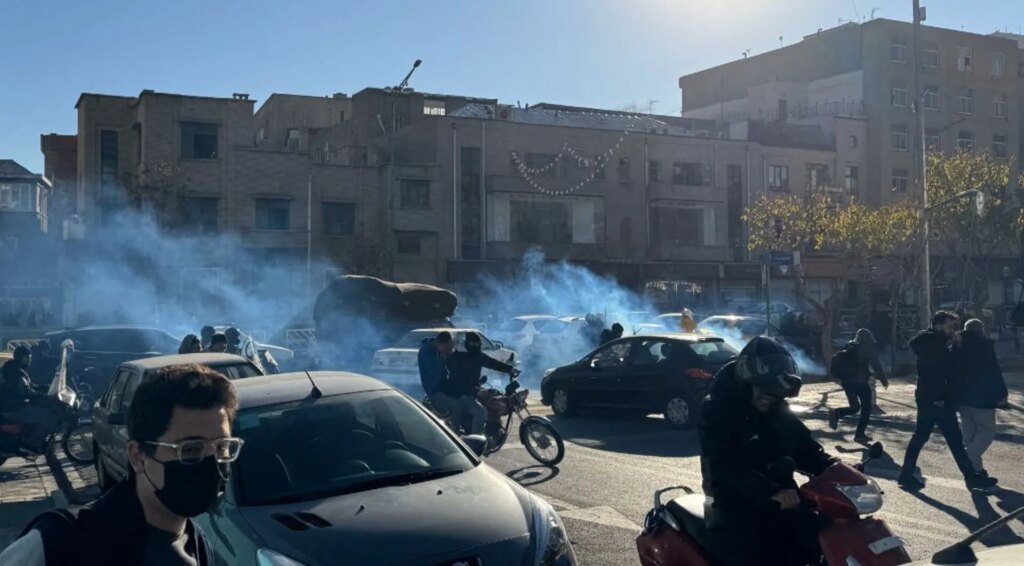
Protests in Iran Amid Economic Crisis
In Iran, a significant wave of protests has erupted as the nation grapples with a severe economic crisis that is dramatically affecting daily life. With a drastic decline in the value of the national currency and soaring inflation rates, many citizens feel their financial stability has hit a breaking point. Amidst this turmoil, the government has shifted its strategy and is now promoting a dialogue mechanism to address these concerns.
The Economic Context
The economic challenges facing Iran have come to a head over the past months. Rising inflation and a plummeting currency value have contributed to an increasingly difficult environment for average citizens, leading to widespread discontent. This turmoil has triggered protests across various cities, reflecting the urgent need for change.
Government Response
In light of the ongoing protests, the Iranian leadership has attempted a different approach by advocating for dialogue. This marks a notable shift from previous responses to unrest, underscoring the seriousness of the current situation. However, many wonder what tangible solutions the government can offer, especially in the context of the deeply entrenched sanctions that have affected the country for years.
Potential Consequences
The ramifications of escalating protests could be significant. A deepening crisis may lead to intensified government crackdowns or further unrest, complicating the already volatile political landscape. Understanding the implications of such developments is crucial for both domestic and international observers.
Discussion Panel
In a recent discussion, notable experts shared their insights on the situation in Iran:
- Ali Akbar Dareini: A researcher at the Center for Strategic Studies.
- Marzie Khalilian: A political analyst and academic researcher.
- Stephen Zunes: A professor of politics and founding chair of Middle Eastern studies at the University of San Francisco.
Conclusion
The ongoing protests in Iran illustrate the profound impact of the economic crisis on daily life and the population’s desire for change. As the government explores dialogue while grappling with external sanctions, the future remains uncertain. The way forward will significantly depend on both leadership decisions and public response.
Key Takeaways
- Iran is facing a severe economic crisis characterized by a falling currency and rising inflation.
- Protests have prompted the government to adopt a dialogue-oriented approach.
- The situation poses potential risks, including heightened unrest and government actions.
- Insights from experts emphasize the complexities surrounding Iran’s current predicament.