
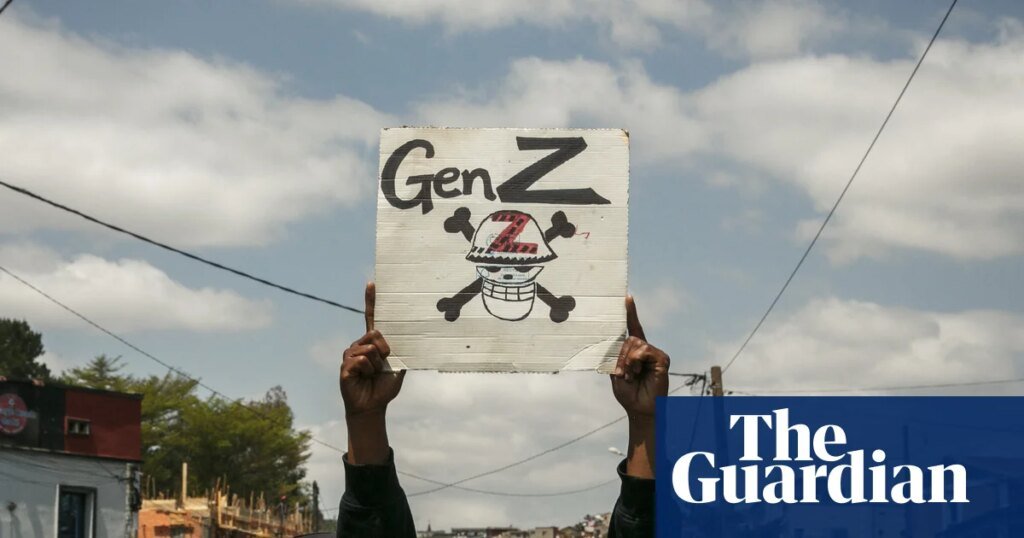
Global Youth Protests: A Wave of Change Amidst Corruption
In recent years, countries like Nepal and Madagascar have witnessed mass protests that led to significant government changes. Driven by a passionate generation, these movements were characterized by their bold calls for action against corruption and oppressive regimes, even in the face of heavy police resistance. This article explores the motivations behind these protests and highlights how young activists are rallying for their futures across Asia and Africa.
The Rise of Youth-Led Protests
June 6 marked a pivotal moment in Togo when protests erupted following the detention of a rapper known for his anti-corruption lyrics. Young activists rallied to demand an end to the authoritarian practices of President Faure Gnassingbé. Among them was 25-year-old Bertin Bandiangou, who faced harsh treatment but remains committed to driving change.
A similar wave of unrest occurred in Kenya around this same period. The backdrop of increased taxes reignited the youth-driven protests seen in previous years. Hanifa Adan Safia, 29, who had been arrested during prior demonstrations, stood at the forefront once more after the tragic death of a blogger critical of the government.
In Nepal, political consultant Pradip Gyawali, 25, was among those who successfully ousted the government in September, motivated by widespread discontent over corrupt practices and the suppression of social media platforms used for criticism. Likewise, Madagascar saw a government change in October, as local protests fueled by frustration over corruption mirrored the sentiments in Nepal.
In Morocco, discontent bubbled over in October after tragic incidents of maternal mortality highlighted flaws in the healthcare system. Protests commenced in Agadir, quickly spreading to other cities, where many felt that government resources were misallocated while pressing issues went unaddressed.
Common Causal Factors: Corruption and Governance
Hanifa from Kenya: “Corruption is the root wound that exacerbates every crisis. It deprives funds from essential services like healthcare and education while young people struggle to find stable jobs.”
Shely from Madagascar: “The youth protests stem from bad governance and corruption that directly affect us, especially in education where facilities are in disarray.”
Imad from Morocco: “It’s fundamentally about corruption. Instead of improving lives through investment in education and healthcare, the government prioritizes its image for tourism.”
Addressing the Unemployment Crisis
Bertin from Togo: “Unemployment is the foremost issue for youth today. It’s a direct outcome of government corruption that leaves graduates unable to find jobs while struggling to meet basic needs.”
Pradip from Nepal: “Many young people, including my friends, have gone abroad seeking education and jobs. The lack of opportunities in places like Kathmandu drove us to protest.”
Imad from Morocco: “Despite our education, job opportunities in relevant fields remain scarce. Work is essential not just for financial reasons, but for dignity and personal fulfillment.”
Failures in Public Services Spark Outrage
Hanifa from Kenya: “With rising taxes and declining public services, citizens feel cheated on two fronts—by the government and the absence of vital resources.”
Shely from Madagascar: “In urban areas, issues like water and electricity shortages fueled the protests. The government’s preference for less critical projects over solving these basic problems triggered public outrage.”
Imad from Morocco: “The catalyst for protests was public health disasters. While the government prepares for high-profile events, the essential needs of the citizens remain neglected.”
A Sense of Global Solidarity
Bertin from Togo: “We draw inspiration and energy from fellow youth around the world protesting for better conditions. It’s uplifting to know we’re part of something greater.”
Hanifa from Kenya: “The current protests in Kenya feel interconnected with a larger global movement of youth demanding justice and accountability against corrupt practices.”
Shely from Madagascar: “The courage shown by protesters in Nepal spurred us on. If they could confront their government, so could we.”
Looking Ahead: What’s Next?
Bertin from Togo: “Our highest priority is securing the release of all political prisoners and demanding the resignation of President Gnassingbé, who has failed to fulfill his leadership responsibilities.”
Pradip from Nepal: “In the wake of our protests, the interim government is working towards elections, where we hope to see youthful representatives who reflect our generation’s aspirations.”
Shely from Madagascar: “We envisaged a future where dignity is upheld for all citizens, particularly the youth. The road ahead is long, but we’re beginning to forge it.”
- Youth in various countries are leading protests against corruption and demanding government accountability.
- Common factors in these movements include unemployment, poor public services, and governmental corruption.
- Activists express a strong sense of global solidarity and hope for change.
- The future path involves aspirations for reform and more youthful representation in government.