
Brussels Takes Bold Steps to Freeze Russian Assets
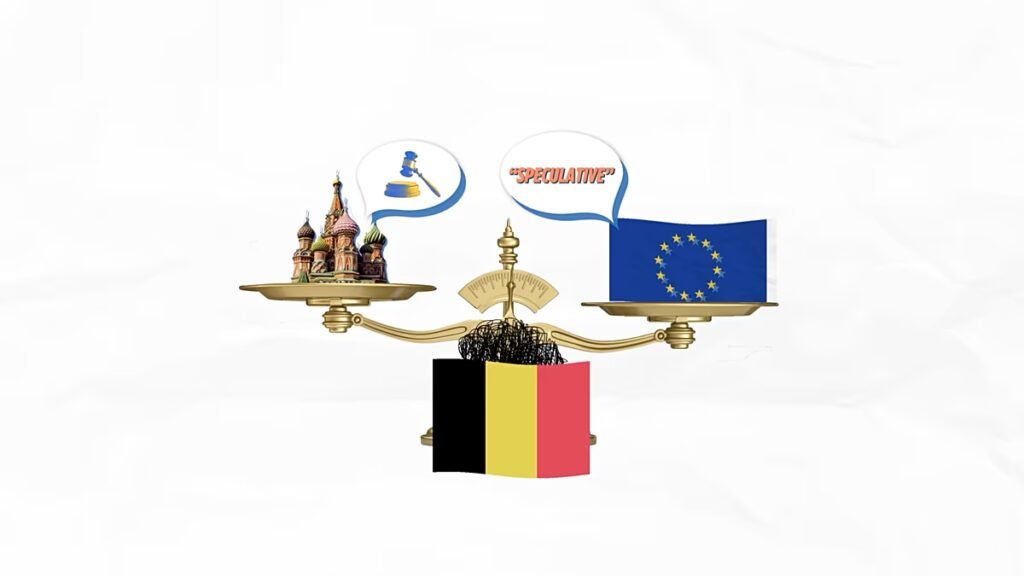
In a decisive move highlighting Europe’s evolving stance, Brussels successfully locked down €210 billion of Russian Central Bank assets. Most of these funds are stored in Belgium, specifically within Euroclear, a significant financial institution often described as the globe’s most anxious piggy bank.
A Shift in Strategy
Up until now, maintaining the freeze on these assets necessitated a unanimous vote every six months. This requirement meant that the fate of the funds was often at the mercy of individual countries, particularly Hungary. However, last week, the European Union introduced a clever legal strategy known as an “emergency clause.” This provision allows for majority voting in times of crisis, effectively bypassing the need for a unanimous decision. Consequently, the frozen assets are now secured indefinitely.
The Legal Landscape
To release these funds, any future action would require another majority vote favoring Russia—an unlikely scenario. Moscow has already initiated legal proceedings against Euroclear, but the EU has dismissed these claims as “speculative.” Meanwhile, Belgium is expressing concern over potential legal ramifications, but urgency is increasing as time runs out.
Why the Urgency?
The pressure to act is intensifying as EU leaders convene for a crucial summit this Thursday. Their objective? To gather €90 billion to support Ukraine in its defense efforts. With Russian sabotage already making waves across Europe, it is clear that the impacts could extend further.
Reactions to the Decision
Hungarian Prime Minister Viktor Orbán, known for his frequent use of veto power, criticized the recent decision, labeling it a “Brusselian dictatorship.” However, many view this action as a harbinger of a more robust EU, one that refuses to allow a single nation to undermine collective security during crises.
For a deeper insight into this developing situation, watch the video provided by Euronews above.
Conclusion
Brussels’ recent actions reflect a significant shift in how the EU manages its responses to crises, showcasing a commitment to collective decision-making that prioritizes unity over individual state interests. This bold step could pave the way for a stronger, more resilient Europe.
- Brussels has frozen €210 billion of Russian Central Bank assets to prevent individual vetoes.
- Majority voting can now bypass the need for unanimous support in times of crisis.
- The EU aims to raise €90 billion for Ukraine’s defense at an upcoming summit.
- This move is seen as a defining moment for a more unified European stance against emergencies.