
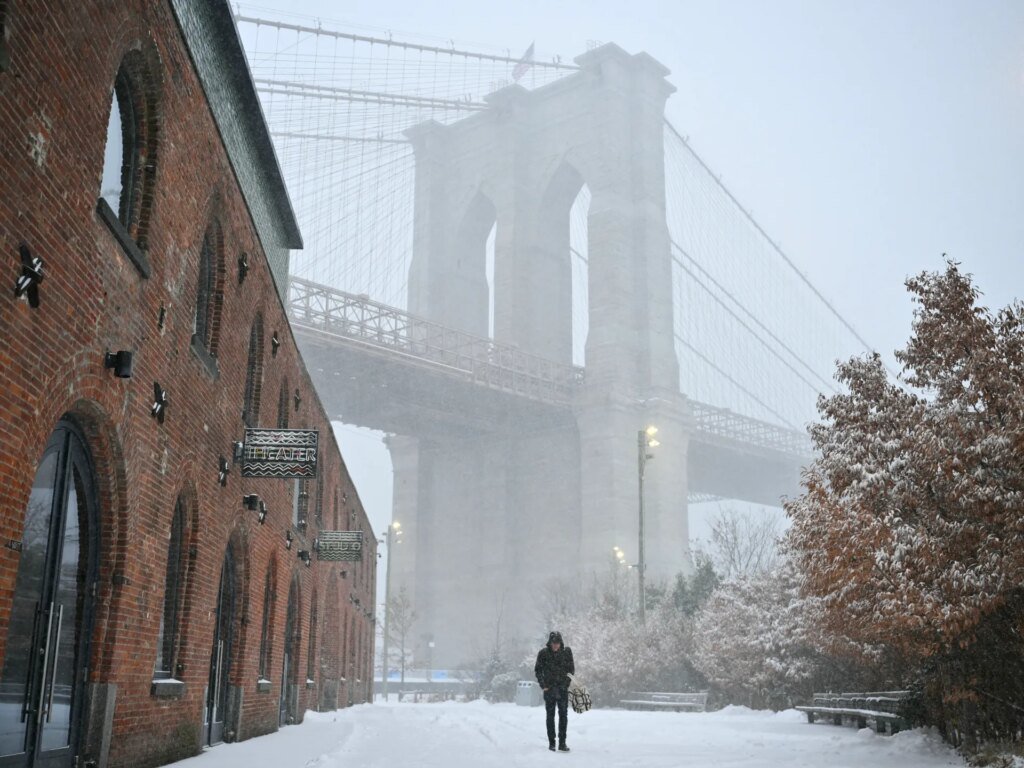
Severe Winter Storm Hits the U.S.
A powerful winter storm is currently sweeping across the United States, affecting regions from Texas to New England with hazardous conditions that are making travel dangerous. With nearly a million people left without power and thousands of flights cancelled, the implications of this storm are being felt widely.
Storm Overview
According to the National Weather Service (NWS), this major winter storm is projected to impact the eastern two-thirds of the nation, starting Sunday and continuing into the week. As temperatures plunge below freezing, the NWS has warned of “dangerous travel and infrastructure impacts” that could last for several days.
Power Outages and Flight Disruptions
As of Sunday morning, reports indicated that over 850,000 customers were facing power outages across the country, primarily in states like Tennessee, Mississippi, Texas, Louisiana, Kentucky, Georgia, Virginia, and Alabama. This has led to significant disruption, with more than 10,000 flights cancelled and another 8,000 delayed, as travel companies advised passengers to stay alert for sudden changes.
Widespread Impacts
Heavy snowfall is expected from the Ohio Valley through to the Northeast, while areas from the Lower Mississippi Valley to the Mid-Atlantic could experience “catastrophic ice accumulation.” NWS meteorologist Allison Santorelli commented on the exceptional breadth of this storm, stating it stretches approximately 2,000 miles, reaching around 213 million people under winter weather warnings.
Government Response
As the situation escalates, President Donald Trump has described the storm as “historic,” approving federal emergency disaster declarations for nearly 20 states and the District of Columbia. In a post on social media, he emphasized the importance of keeping in touch with state officials and urged the public to stay safe and warm.
Preparations and Warnings
The Federal Emergency Management Agency has positioned staff, commodities, and rescue teams in various states to assist in response efforts. Department of Homeland Security Secretary Kristi Noem has urged citizens to prepare for the cold weather by stocking up on essential supplies.
“It’s going to be very, very cold. We encourage everybody to stock up on fuel and food. We will get through this together,” Noem remarked.
Potential Hazards
The NWS has raised concerns about heavy ice potentially causing long-lasting power outages, serious tree damage, and travel conditions that could become impassable. A life-threatening cold snap is expected to follow the storm, particularly in the Northern Plains and Upper Midwest, where wind chill factors may dip below -50°F (-45°C), posing serious risks of frostbite in mere minutes.
Scientific Perspective
This massive storm system is associated with a distorted polar vortex. Typically, this cold air forms a compact system, but can sometimes stretch out and leak frigid air across large areas, as seen this time across North America. Some scientists link this increased occurrence of polar vortex disruptions to changing climate patterns.
Conclusion
The winter storm currently affecting the U.S. serves as a stark reminder of the power of nature. With widespread impacts ranging from severe weather to travel interruptions, it is essential for everyone in affected areas to remain vigilant and prepared.
Key Takeaways
- A powerful winter storm is impacting vast areas of the U.S. with dangerous weather conditions.
- Over 850,000 residences are without power; thousands of flights have been cancelled or delayed.
- Authorities warn of life-threatening cold and hazardous travel conditions following the storm.
- The storm’s effects could be linked to larger trends in climate change.