
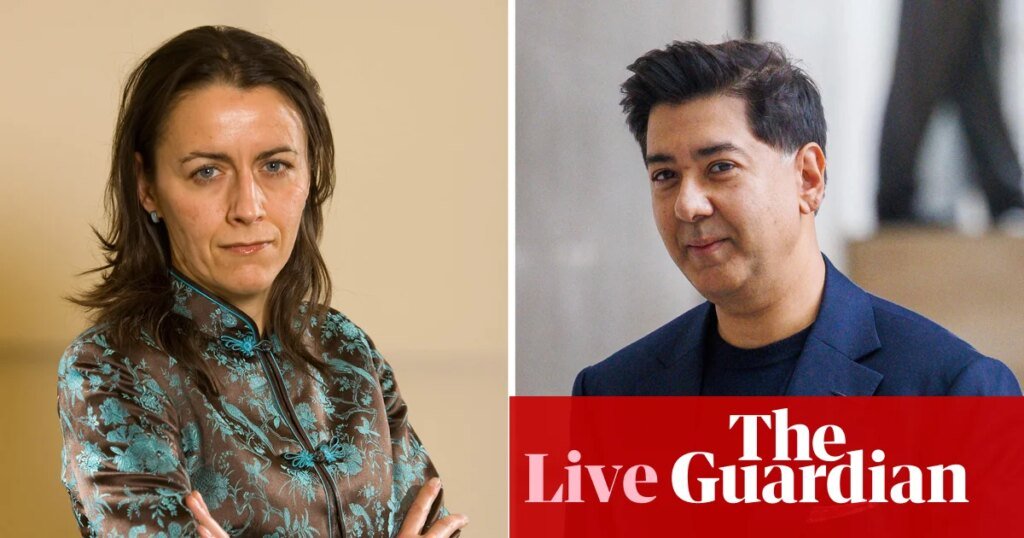
Two British Anti-Hate Speech Campaigners Face U.S. Sanctions
Good morning! As we embrace the festive spirit of Christmas—a time traditionally associated with peace and goodwill—tension seems to pervade the relationship between the US and the UK. In a surprising move, the Trump administration has sanctioned two British nationals, among others, accusing them of attempts to undermine free speech in the United States. This escalation has ignited a Twitter debate involving Ed Davey, the leader of the Liberal Democrats, and a senior US state department official.
The Sanctions Explained
Yesterday, Marco Rubio, the U.S. Secretary of State, announced decisive measures against five individuals engaged in organized efforts to pressure American companies into censoring opposing viewpoints. He stated:
“The State Department is taking decisive action against five individuals who have led organized efforts to coerce American platforms to censor, demonetize, and suppress American viewpoints they oppose. These radical activists and weaponized NGOs have advanced censorship crackdowns by foreign states—in each case targeting American speakers and American companies. As such, I have determined that their entry, presence, or activities in the United States have potentially serious adverse foreign policy consequences for the United States.”
Among those sanctioned are two prominent Britons: Imran Ahmed, the CEO of the Centre for Countering Digital Hate, and Clare Melford, who heads the Global Disinformation Index. Ahmed, formerly associated with the Labour Party, is reportedly based in Washington with his American family and now faces potential deportation to the UK. Melford could similarly lose her U.S. visa.
US State Department’s Justification
Last night, Sarah Rogers, the Under Secretary of State for Public Diplomacy, defended the sanctions in a social media thread, stating that the actions by the Trump administration aimed to combat the “censorship-NGO ecosystem.” Rogers emphasized:
“Today’s sanctions target the censorship-NGO ecosystem. These sanctions are visa-related. We aren’t invoking severe Magnitsky-style financial measures, but our message is clear: if you spend your career fomenting censorship of American speech, you’re unwelcome on American soil.”
Rogers also criticized the Liberal Democrats, asserting that none of those sanctioned are current UK or EU officials, while also pointing to foreign government officials who actively target the U.S. In response, Davey articulated that Trump’s strategy does imply a form of foreign interference, specifically highlighting its aim to “cultivate resistance” in the UK.
International Reactions
While the UK government has yet to respond formally, French President Emmanuel Macron has condemned the U.S. sanctions. He characterized the measures as intimidation aimed at undermining European digital sovereignty. In his statement, he asserted:
“France condemns the visa restriction measures taken by the United States against Thierry Breton and four other European figures. These measures amount to intimidation and coercion aimed at undermining European digital sovereignty.”
Broader Implications for Free Speech
This development highlights the divergent perspectives on free speech between U.S. conservatives and European liberals. While Americans often adopt an absolutist stance on free speech, Europeans are more inclined to favor restrictions against misinformation or harmful speech.
Conclusion
The sanctions imposed by the U.S. state department against Ahmed and Melford not only underscore the complicated dynamics surrounding free speech but also reflect the larger international tensions regarding digital governance and censorship practices. As this situation evolves, it will be interesting to monitor its implications for both UK and U.S. policies.
- Two British anti-hate speech campaigners have been sanctioned by the U.S. for allegedly undermining free speech.
- The U.S. government criticized these individuals as part of a broader censorship-NGO ecosystem.
- Reactions from European leaders indicate rising concerns about digital sovereignty and foreign interference.
- This situation accentuates the differing cultural approaches to free speech between the U.S. and Europe.