
US Reduces Humanitarian Assistance to $2 Billion: Implications and Challenges
The United States has announced a significant decrease in its financial contributions for United Nations humanitarian assistance, slashing support to $2 billion. This new direction marks a drastic shift from the previous levels of aid that reached upward of $17 billion in recent years. This article explores the implications of this cutback and which countries are affected.
Significant Reduction in Assistance
The latest announcement, made public on December 29, reflects a clear reduction in the US’s commitment to international aid. Traditionally, the US has been the leading funder for the UN, contributing between $8 to $10 billion voluntarily. In stark contrast, the $2 billion allocated now focuses on specific crises and nations.
Targeted Countries and Aid Distribution
This new funding pool is aimed at 17 selected countries facing humanitarian crises, such as Bangladesh, the Democratic Republic of the Congo, Haiti, Syria, and Ukraine. Notably, Afghanistan and Palestine are excluded from this immediate funding, though officials indicated that assistance for Palestine will come from a separate initiative related to President Trump’s incomplete Gaza plan.
Broader Impact of Funding Cuts
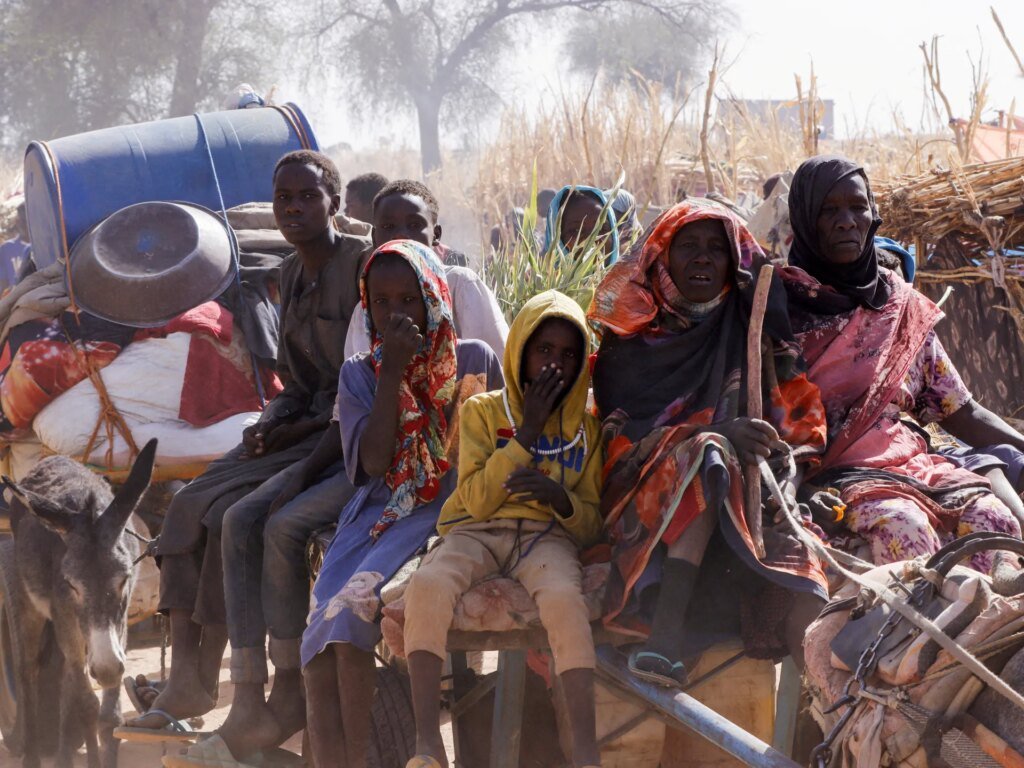
The implications of this funding reduction are severe. Critics have voiced significant concerns over the adverse effects of reduced aid, which has already led to increased hunger and displacement affecting millions globally. Over the past few months, the UN has ramped up efforts to address these issues, launching an appeal for $23 billion for 2026, essential to support over 122 million people in need.
Consequences for Vulnerable Populations
With this decrease in aid, the UN High Commissioner for Refugees (UNHCR) warned that over 11 million refugees would experience diminished support. For instance, basic services for Rohingya refugees in Bangladesh face potential collapse, leaving over 230,000 children at risk of educational disruptions. The funding gaps could also lead to severe health crises, with predicted rises in HIV/AIDS-related fatalities by 2029.
Trends in Foreign Aid and International Response
The US’s shift in foreign aid policy is part of a broader trend, with other nations like Germany also cutting back on their humanitarian contributions. Critics highlight that this withdrawal from supporting the international aid framework can lead to catastrophic outcomes, particularly in regions already grappling with instability.
Strategic Changes in Fund Allocation
A senior official from the US, speaking on the condition of anonymity, explained that this $2 billion pledge is part of a broader strategy that emphasizes tighter control over how funds are distributed within UN agencies. This move, they contend, aims for consolidated leadership and improved accountability among agencies in charge of humanitarian efforts.
Conclusion
The reduction of the US’s humanitarian assistance to $2 billion signals a transformative and concerning approach to global aid. As the situation unfolds, the focus will be on how this change affects the target countries and the broader international community’s capacity to respond to humanitarian crises.
Key Takeaways
- The US has cut its humanitarian assistance to $2 billion, significantly down from previous contributions.
- Seventeen countries, including Haiti and Ukraine, are targeted for this aid, while Afghanistan and Palestine are excluded.
- The UN estimates 11 million refugees will face reduced support due to these funding cuts.
- This funding strategy emphasizes tighter control within UN agencies and raises concerns about the humanitarian impact globally.