
US Approves $11 Billion Arms Package for Taiwan Amid Rising Tensions with China
The recent approval of an $11 billion arms package for Taiwan by the United States has sparked significant discussions, particularly in the context of increasing tensions with China. Following a series of military exercises around Taiwan that Beijing described as a blockade simulation, the US has urged China to exercise restraint and avoid actions that could exacerbate the situation.
US Calls for Restraint
The US Department of State issued a strong statement addressing China’s aggressive military activities. According to State Department spokesman Tommy Pigott, “China’s military actions and rhetoric toward Taiwan and other regional actors unnecessarily escalate tensions. We urge Beijing to reconsider its military pressure on Taiwan and instead pursue meaningful dialogue.” He also emphasized that the United States remains committed to maintaining peace and stability in the Taiwan Strait.
China’s Recent Military Drills
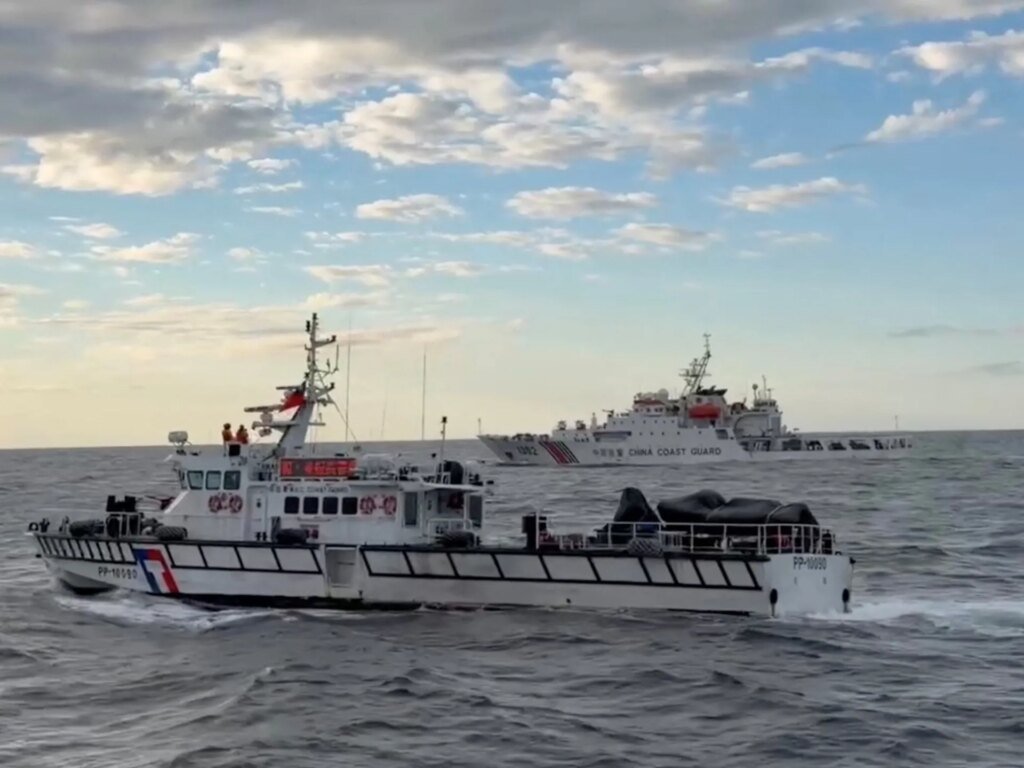
This week, China conducted simulated military operations that included missile launches and the deployment of aircraft and naval vessels around Taiwan, a territory Beijing claims as part of its domain. Although these drills have become routine, they have spurred strong reactions from Taipei.
Chinese assertiveness in the region, including increased military drills, has led to growing skepticism among Taiwanese officials regarding the prospect of peaceful reunification with Beijing, particularly after recent crackdowns in areas like Hong Kong.
Taiwan’s Response and Military Plans
Taiwan’s President, William Lai Ching-te, reiterated the island’s commitment to safeguarding its sovereignty, stating, “My position has always been to firmly defend our national integrity and bolster our defense capabilities.” Lai has proposed an ambitious $40 billion increase in military spending, although this initiative is currently stalled in the legislature due to opposition control.
Looking ahead to 2026, President Lai remarked that it is “crucial for Taiwan” to prepare for potential challenges while nurturing optimism for peaceful developments.
US Policy and Future Outlook
Despite consistent support from US lawmakers for Taiwan, the US’s approach has often been characterized by strategic ambiguity – it does not explicitly guarantee military assistance in case of a Chinese invasion. President Trump recently expressed skepticism about an imminent invasion, noting, “I have a great relationship with [Chinese] President Xi [Jinping]. He hasn’t indicated any plans for that.” Trump added that military exercises in the region have been ongoing for two decades.
Conclusion
The approval of the arms package coupled with China’s military activities underscores the growing complexities in cross-strait relations. As these tensions continue, both Taiwan and the US are navigating an intricate landscape filled with potential challenges and opportunities for engagement.
- The US has approved an $11 billion arms package for Taiwan.
- Calls for restraint from the US highlight concerns over escalating tensions with China.
- President Lai stresses the importance of strengthening Taiwan’s national defense.
- Strategic ambiguity remains a key aspect of US policy towards Taiwan.