
The Impact of U.S. Poverty on Global Perspectives
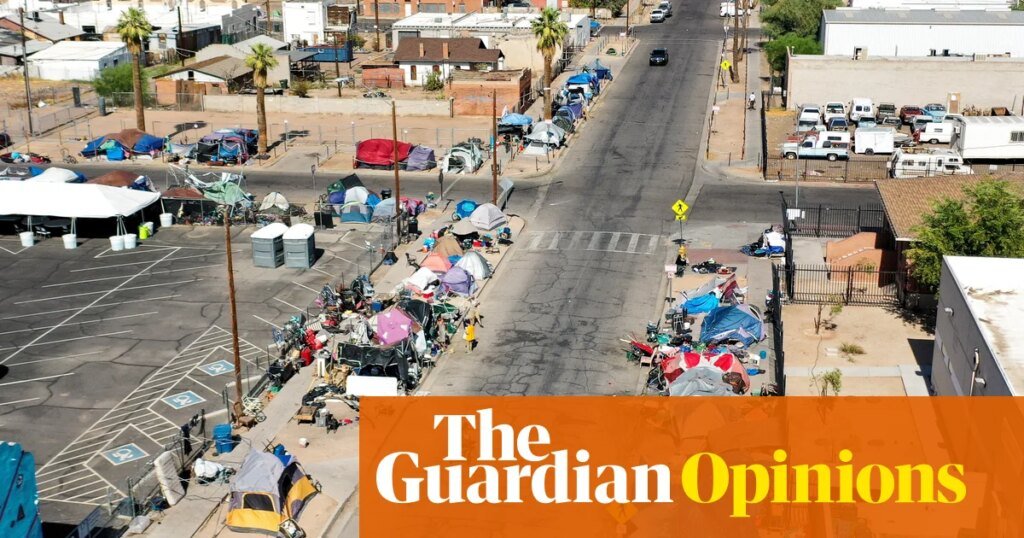
Next month, Donald Trump will host a family facing poverty as he shows off his ambitious plans for a $300 million luxury ballroom at the White House. This event aligns with National Poverty in America Awareness Month, a time when organizations highlight the struggles of those in the U.S. living on minimal incomes. However, rather than focusing on these issues, the president is likely to instead showcase his connections with the affluent elite, similar to his recent attendance at a gala for Saudi officials.
It is anticipated that Trump will overlook requests for poverty-reducing policies, brushing aside the annual awareness campaign with little thought. This indifference starkly contrasts with the introspection that previous presidents often displayed when confronted with the stark realities of economic inequality.
The Global Relevance of U.S. Poverty
The rising poverty levels in the U.S. are of significant concern not just domestically, but also internationally, especially in the UK and across Europe. This upward trend, which has been noticeable since the turn of the century, is closely linked to a specific form of capitalism. Many right-wing parties across Europe, such as Nigel Farage’s Reform UK and Kemi Badenoch’s Conservatives, admire the American model but seem indifferent to its consequences, which leave millions struggling.
The Consequences of American Capitalism
- The opioid crisis, escalating mental health challenges, and high obesity rates are issues uniquely exacerbated in the U.S.
- Despite years of austerity in Europe, the level of government intervention in the U.S. remains significantly lower.
- The U.S. also faces criticism for exporting financial instability globally, leaving other countries burdened with costly recovery efforts.
If there’s any sense of accountability towards social or environmental issues, the prevailing attitude seems to advocate for lower taxes and minimal regulations. This pattern often gets overlooked when comparing the sluggish growth of European economies with that of the more liberal U.S. model.
A Case for Measured Growth
Growth that prioritizes the welfare of everyday people tends to be steadier. While regulations may inhibit the rapid advent of flashy financial innovations, they ultimately safeguard against catastrophic failures. Since the Great Depression of 1929, it has been the reckless policies of U.S. administrations that have often led to financial turmoil, contrasting sharply with the more cautious approaches of financial institutions in the UK and Europe.
Alternative Strategies for Economic Growth
For those who believe there is a way to achieve faster growth, numerous analyses suggest that UK and European governments can improve performance. Former Italian Prime Minister Mario Draghi, in his role as head of the European Central Bank, offered valuable insights into the structural weaknesses of Europe’s economy and proposed solutions primarily centered on further integration.
Although Draghi isn’t a socialist, his recommendations leaned towards fostering a more substantial welfare state. Unsurprisingly, Farage and Badenoch resist the ideas central to Draghi’s findings, instead opting to adopt lessons from the U.S. that prioritize deregulated financial markets and a laissez-faire approach to monopolies, often blaming those who struggle for their own hardships.
The Views of the Modern Electorate
Recent electoral studies indicate that older voters are especially receptive to the arguments put forth by figures like Farage and Badenoch. The healthcare system is often regarded as the only essential service that warrants protection, while everything else can be compromised to avoid tax increases.
This sentiment is echoed by far-right parties across Europe, from Germany’s AfD to France’s National Rally. In the UK, a notable trend shows older voters expressing resentment and seeking to dismantle the societal structure established by previous generations.
A Call for Progressive Governance
It’s vital to address the connection between the resurgence of far-right ideologies and the ongoing support for low regulation and minimal government intervention that benefits the finance industry. Those with progressive perspectives face an uphill battle to influence an aging electorate.
The government should advocate for gradualism, which protects the broader population and allows for resilience in the face of crises. Unfortunately, the U.S. consistently neglects its most vulnerable citizens, a practice that is not only outdated but unnecessary given its vast wealth.
Conclusion
The plight of poverty in the U.S. not only shapes domestic policies but also influences global perceptions of capitalism and governance. As awareness of these issues grows, there is a pressing need for policies that prioritize the welfare of all citizens.
- Trump’s upcoming event highlights the disconnect between poverty awareness and elite interests.
- The rising poverty in the U.S. is a growing concern internationally, influencing economic discussions in Europe.
- Regulations can protect against financial disasters while promoting sustainable growth.
- The conversation about government responsibility and support for vulnerable populations is more critical than ever.