
Ukraine and Russia Engage in Peace Talks Amidst Ongoing Tensions
In a significant development, Washington has initiated the first direct negotiations between Ukraine and Russia in half a year, as revealed by Ukrainian President Volodymyr Zelenskyy on Saturday. However, Zelenskyy remains cautious about the outcome of these discussions. Meanwhile, U.S. and Russian special envoys have convened in Miami over the weekend to explore pathways to end the ongoing conflict in Ukraine, with U.S. Secretary of State Marco Rubio hinting at his potential involvement.
Recent Diplomatic Efforts
These talks are part of the diplomatic initiatives spearheaded by the Trump administration aimed at achieving a sustainable ceasefire. Earlier this week, discussions also took place with Ukrainian and European leaders in Berlin.
Progress on Peace Plan
During a press briefing on Saturday, Russian envoy Kirill Dmitriev stated that discussions regarding the U.S.’s proposed 20-point peace plan are “proceeding constructively.” He noted that conversations, which had started earlier, would continue throughout the day.
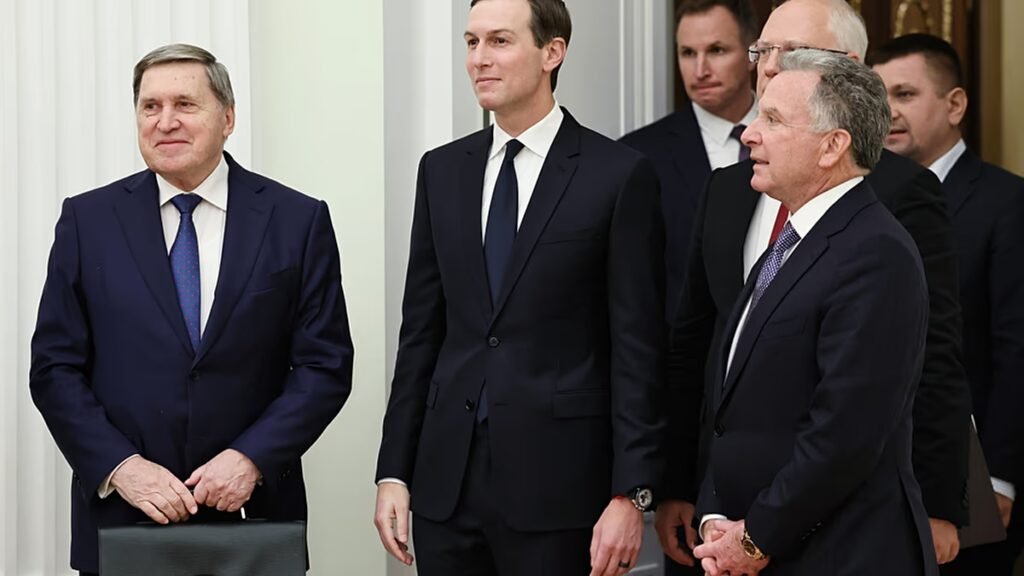
Reports from Russian state media indicate that Dmitriev held discussions with U.S. Special Envoy to the Middle East Steve Witkoff and Jared Kushner, who is a notable figure in the Trump administration.
Concerns Over Negotiations
However, Yuri Ushakov, an aide to President Putin, expressed concerns to state-run media, asserting that alterations to the peace plan suggested by Ukraine and European partners are hindering progress. “I am convinced that the changes being introduced by Europeans, in conjunction with Ukrainians, do not enhance the document and do not advance the prospects for lasting peace,” he stated.
Zelenskyy’s Cautious Optimism
Despite labeling the negotiations as “constructive,” President Zelenskyy shared his apprehensions in a recent post on X, emphasizing, “Much depends on whether Russia genuinely desires to end the war—this must not turn into a rhetorical or political game.” He highlighted the continued negative signals from Russia, referring to assaults along the frontline and ongoing war crimes in border areas, as well as relentless strikes on Ukrainian infrastructure.
The Role of U.S. Pressure
Zelenskyy further noted that a successful agreement hinges on the amount of pressure the U.S. asserts on Russia. He remarked, “America must clearly convey: if diplomacy fails, then there will be full pressure…Putin does not yet feel the necessary pressure,” he asserted.
Collaboration Among Allies
On the preceding Friday, Umerov, Ukraine’s chief negotiator, reported that his delegation held separate meetings with American and European counterparts in the U.S. where they reaffirmed their commitment to collaborating closely “in the near future.”
Putin’s Stance
President Putin expressed confidence on Friday that Russia could achieve its objectives through military means if Kyiv refuses to comply with Moscow’s expectations in the peace discussions. Despite President Trump’s vigorous diplomatic efforts to resolve the conflict, he faces diverging demands from both Moscow and Kyiv, with Putin remaining steadfast in his principal demands, even as Russian troops continue to experience slow advancements and significant casualties.
Conclusion
The current dialogue aimed at ending the war in Ukraine represents a pivotal moment, albeit amidst a backdrop of skepticism and ongoing hostilities. As both sides navigate these complex negotiations, the influence of external pressures and established demands will likely shape the future course of peace talks.
Key Takeaways
- Direct negotiations between Ukraine and Russia have resumed after six months.
- U.S. and Russian special envoys are discussing pathways to conclude the conflict.
- Zelenskyy stresses the need for genuine Russian commitment to end hostilities.
- Continued pressure from the U.S. is seen as crucial to achieving a lasting peace.