
Assessing the Revitalization of U.S. Strategy in Latin America
The United States is reawakening a doctrine dating back to the 19th century, positioning Latin America within its strategic sphere of influence. As Washington amplifies its naval presence in the Caribbean and Eastern Pacific, concerns are mounting regarding potential legal breaches and escalating instability across the region.
Insights from Uruguay’s Foreign Minister
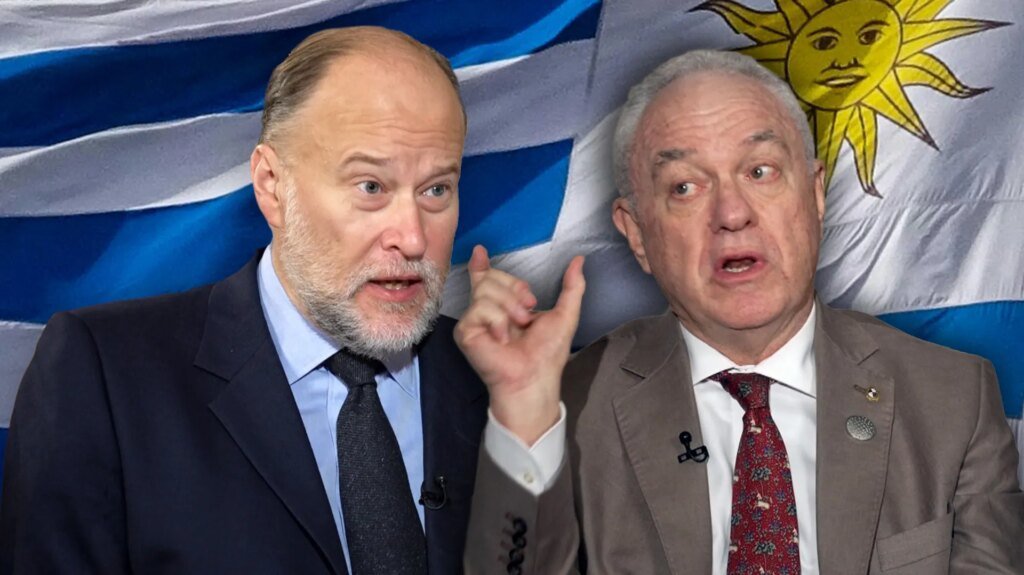
In an engaging conversation with Talk to Al Jazeera, Uruguay’s Foreign Minister Mario Lubetkin discusses a variety of pressing topics: the implications of recent U.S. military actions, the situation in Venezuela, the challenges of migration, and the increasing influence of China within the region. He also explores whether diplomatic measures can still de-escalate tensions in a hemisphere that is increasingly defined by power dynamics.
U.S. Military Actions and Regional Implications
As the U.S. intensifies its military operations, critics argue that such moves may contravene international law. The revitalized focus on Latin America raises questions about the long-standing U.S. approach to foreign policy in the region, and whether these actions could provoke greater instability.
Venezuela and Migration Pressures
The situation in Venezuela remains a critical point of discussion. The country continues to face severe economic and political challenges, prompting increased migration pressures that ripple across neighboring nations. Minister Lubetkin highlights the need for a coordinated regional response to manage these challenges effectively.
China’s Growing Influence
As the U.S. reassesses its role in Latin America, China’s expanding footprint in the region is becoming increasingly significant. Investments and partnerships with various countries have shifted the landscape of influence. Lubetkin emphasizes the necessity for diplomatic dialogue to navigate this complex situation.
The Path Forward
With the resurgence of power politics in the region, the question remains: Can diplomacy still play a pivotal role in fostering peace and cooperation? As governments face mounting pressures from both internal and external forces, the pursuit of dialogue may be more crucial than ever.
Conclusion
The revival of the U.S. sphere-of-influence doctrine signals a pivotal moment in Latin American relations, underscored by rising tensions and new geopolitical dynamics. The insights shared by Minister Lubetkin emphasize the intricate balance between military presence, diplomatic negotiations, and the need for multilateral cooperation to ensure stability.
- The U.S. is renewing its historic policy towards Latin America.
- Concerns grow over legal implications and regional stability due to increased military presence.
- Venezuela’s crisis exacerbates migration challenges that affect neighboring countries.
- China’s expanding influence complicates the geopolitical landscape in the region.