
Memories of the Invasion: A Family’s Experience in El Chorrillo
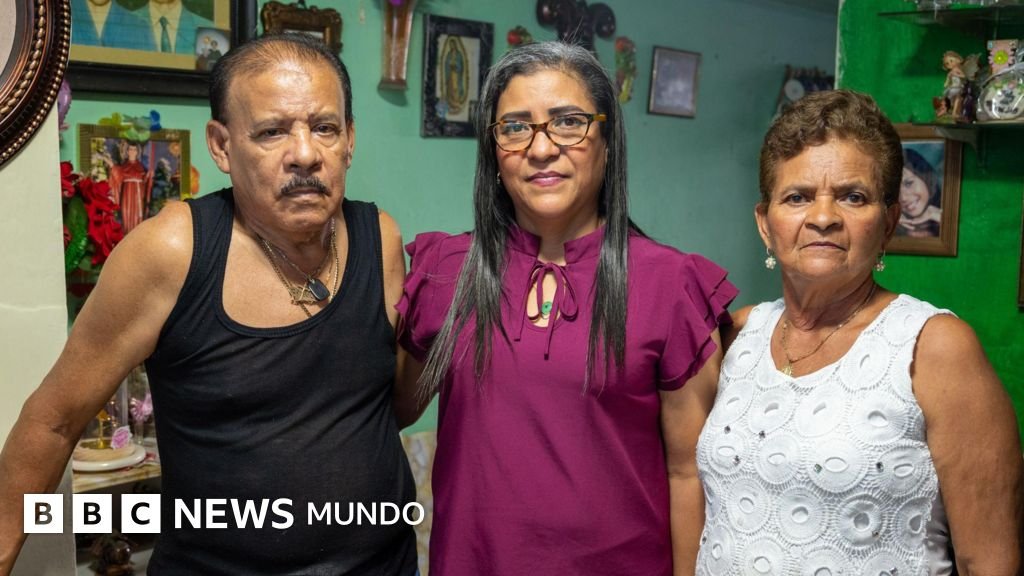
Isidora Gómez and Ernesto Mendoza, residents of El Chorrillo in Panama City, have vivid memories of the harrowing night of December 20, 1989, when the United States invaded Panama aiming to oust Manuel Antonio Noriega’s government. Their story unfolds as they recount a dramatic chapter in their lives, capturing the personal impacts of a critical moment in history.
A Peaceful Beginning
In the late 1970s, Isidora and Ernesto settled into the neighborhood of El Chorrillo, drawn by its peaceful atmosphere and sense of security. Their home in a building known as “24 de diciembre,” or locally as “el 15 pisos,” became the backdrop for their family life, where they raised their three children. This familiar setting would soon be engulfed by chaos.
The Calm Before the Storm
As December 19, 1989, unfolded, the Mendoza family navigated their daily routines, unaware of the storm brewing on the horizon. Ernesto returned from his job, while Isidora busied herself with Christmas shopping. Their children, Jovana and her younger brother Ernesto José, were getting ready for bed, with Jovana approaching the end of her high school journey—a milestone she would never celebrate due to the impending invasion.
“I felt pain and sadness because I couldn’t graduate the way I wanted,” Jovana recalls.
Escalating Tensions
The atmosphere in Panama was tense. Following a series of politically charged events, including the cancellation of elections and violent crackdowns on dissent, U.S. President George H.W. Bush dispatched thousands of troops with the aim of bringing Noriega to justice. Days before the invasion, Noriega declared a state of war against the U.S., a declaration that foreshadowed the violence to come.
Under Attack
As the clock struck midnight on December 20, the Mendoza family found themselves under siege. After receiving warnings from neighbors and news reports, they were stunned when explosions began to rock their apartment. In a moment of sheer instinct, Jovana and her brother sought refuge beneath their parents’ mattress, praying for safety amidst the chaos.
“I huddled with them, praying under the mattress,” Ernesto recounts. The building’s windows shattered, and the apartment plunged into darkness, lit only by flames from the surrounding destruction.
Life Among the Ruins
By dawn, the heavy artillery fire had quieted, but the horrors were just beginning. Eventually, they were ordered out of their home by U.S. military personnel, who instructed them to raise their hands in surrender. The family stepped outside to a scenario of devastation, with their neighborhood reduced to ash and debris, and haunting reminders of loss scattered around them.
“I saw a tank run over a red car with a person inside,” Isidora recalls, highlighting the brutality of that fateful night.
A New Beginning Amidst the Destruction
After leaving their home, the Mendoza family, along with other survivors, was temporarily housed at makeshift shelters, including the Balboa Stadium and U.S. military hangars. Months passed before they could return to their apartment, only to discover it had been vandalized and ransacked.
Estimates of civilian casualties during the invasion vary greatly, with the United Nations estimating around 500 deaths, while other sources suggest the numbers could be much higher. Despite the fear that gripped her during the invasion, Isidora harbors no resentment towards the U.S. military actions.
“They wanted Noriega. If he had surrendered, this wouldn’t have happened,” she reflects, highlighting the complexity of their experience.
Conclusion
As Isidora, Ernesto, and their family emerged from the shadows of that historic night, they carried with them not just memories of horror, but also resilience. The story of the Mendoza family encapsulates the profound impact of political upheaval on ordinary lives, a reminder of the human element in the narratives of war.
Key Takeaways
- The Mendoza family’s life was forever changed during the U.S. invasion of Panama on December 20, 1989.
- Despite fear and loss, Isidora and Ernesto’s story reflects resilience and hope.
- The event highlights the human costs associated with political conflicts.
- Memories of the invasion serve as a powerful reminder of the historical and personal dimensions of war.