
Fire Breaks Out at Havana Refinery Amid Energy Crisis
This article delves into a significant fire that erupted at a refinery in Havana, Cuba, amidst the country’s ongoing energy crisis. The incident highlights the fragile state of Cuba’s energy resources and the challenges it faces in maintaining adequate fuel supplies.
Details of the Incident
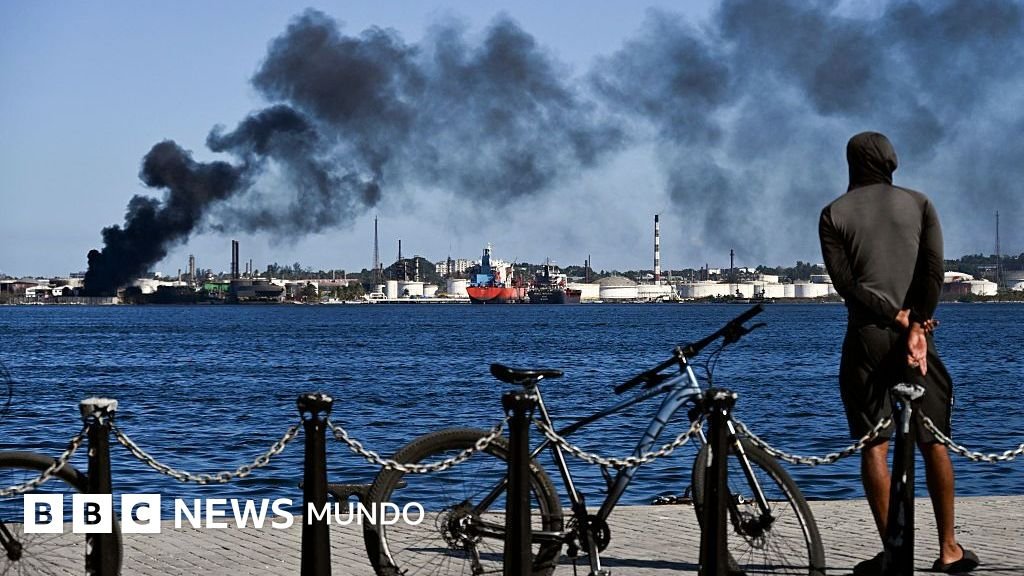
On Friday, a substantial fire affected the Ñico López refinery located in the port of Havana. Eyewitnesses reported a large plume of smoke rising from the facility, which quickly dissipated, as per an AFP news report. The Cuban Ministry of Energy and Mines confirmed that the blaze began in one of the refinery’s storage facilities.
Currently, the cause of the fire is under investigation, as stated by the ministry in a recent post on X. The fire broke out near an area where two oil tankers were docked, indicating potential concerns regarding safety and operational protocols at the site.
Context of the Energy Crisis
Cuba is grappling with a severe energy crisis, exacerbated by restrictions on oil deliveries imposed by the United States. The situation worsened after the U.S. government restricted petroleum shipments to the island. Furthermore, the country lost its primary oil supplier following the arrest of former Venezuelan president Nicolás Maduro on January 3rd, whose government had previously secured fuel deliveries to Cuba.
Cuban President Miguel Díaz-Canel expressed concern over the dire situation, stating in a speech on February 5th that the nation would face challenging times ahead. This was shortly before the announcement of an extraordinary energy conservation plan aimed at mitigating the crisis.
Challenges Faced by the Cuban People
Since Maduro’s exit, the U.S. government has indicated it would not allow any Venezuelan oil to reach Cuba and threatened to impose tariffs on any other nation attempting to provide oil to the island. Cuba, with a population of 9.6 million, has endured a long-standing trade embargo by the United States dating back to 1962, leading to extensive economic struggles. The country has faced prolonged electricity outages, as well as shortages of fuel, medicine, and food.
According to maritime transportation experts, no foreign oil tankers or shipments have reached Cuba in recent weeks. In response to the rapidly depleting fuel reserves, the Cuban government has implemented emergency measures to conserve energy. These include closing universities, shortening school hours, reducing the workweek, and drastically limiting public transportation. Additionally, staff reductions have also been enacted in hospitals.
International Response
On Friday, the United Nations expressed deep concern regarding the crisis unfolding in Cuba, highlighting the urgent need for action to address the dire circumstances faced by the Cuban people.
Conclusion
The fire at the Ñico López refinery not only underscores the immediate dangers facing Cuba’s energy infrastructure but also reflects the broader issues of fuel scarcity and economic hardship affecting the nation. As the situation develops, it is clear that the Cuban government will need to explore comprehensive strategies to navigate this profound crisis.
Key Takeaways
- A significant fire erupted at the Ñico López refinery in Havana amid an ongoing energy crisis.
- The Cuban government is investigating the cause of the fire while facing severe fuel shortages.
- Cuba’s energy crisis has been exacerbated by U.S. restrictions on petroleum shipments.
- Emergency measures have been implemented to conserve energy and resources across the island.