
Myanmar’s Genocide Case: UN Hearings Begin
Accusations of genocide against the Rohingya ethnic minority have escalated as hearings commenced at the International Court of Justice (ICJ) in The Hague. This pivotal case was first brought forward by The Gambia in 2019, claiming that Myanmar’s military engaged in a systematic “clearance operation” that violated the Genocide Convention of 1948.
The Accusations and Background
Since the military coup, Myanmar has staunchly denied these allegations. In his opening remarks, Gambian Justice Minister Dawda Jallow articulated his nation’s motivation for initiating the case, citing a responsibility borne from its own tumultuous past under military rule.
“We must use our moral voice in condemnation of oppression, of crimes against individuals, and of groups, wherever and whenever they occur,” Jallow stated to the packed courtroom.
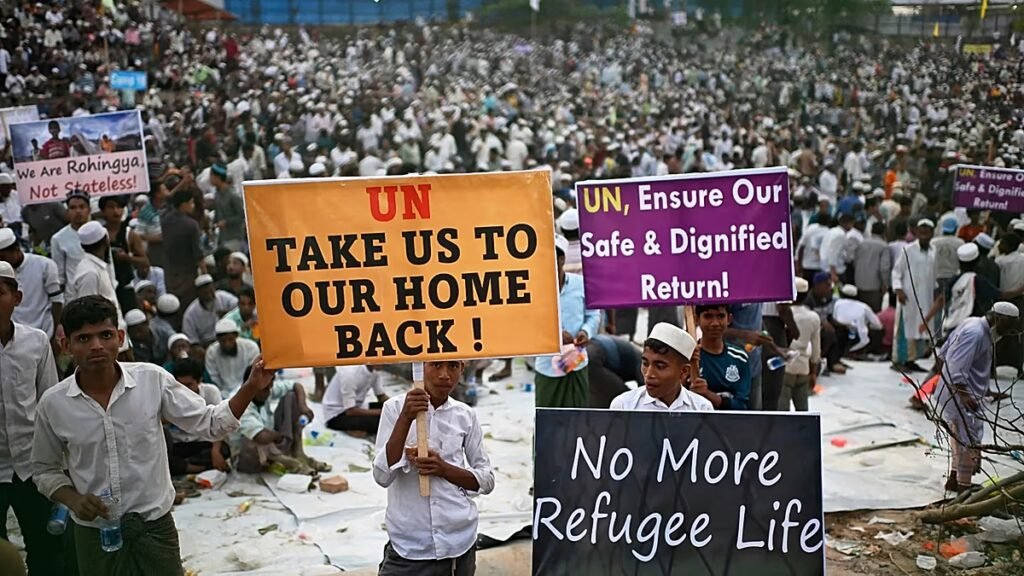
The conflict traces back to 2017 when Myanmar launched a campaign in Rakhine state following an attack from a Rohingya insurgent group. This operation has been marred by claims of heinous acts including mass murders, widespread sexual violence, and the destruction of over 10,000 homes, forcing more than 700,000 Rohingya to flee to Bangladesh. Currently, around 1.2 million individuals from this persecuted community find themselves in overcrowded and chaotic refugee camps, where issues such as recruitment of child soldiers and forced prostitution of young girls abound.
The Consequences of Aid Cuts
Last year, significant foreign aid cuts initiated by the U.S. administration led to the closures of numerous schools within these camps, exacerbating the dire situation and even resulting in child fatalities due to starvation. Yousuf Ali, a refugee who traveled from a camp in Bangladesh to the Netherlands for the hearings, shared his despair:
“We don’t have anything that human beings should have.”
Initially, Myanmar’s representation in court included Aung San Suu Kyi, a Nobel Peace Prize laureate, who denied that her country’s military committed genocide. She deflected responsibility by framing the mass Rohingya exodus as a repercussion of insurgency clashes.
The Shift in Legal Proceedings
Following a military coup in 2021, Suu Kyi was imprisoned under what many perceive to be fabricated charges. More recently, Myanmar contested the ICJ’s jurisdiction, arguing that The Gambia lacked direct involvement in the conflict; however, this argument was dismissed by judges in 2022, allowing the case to proceed.
Broader Implications
This decision not only affects the Myanmar case but has also paved the way for South Africa to bring a case against Israel, alleging genocide against Palestinians in Gaza. Israel has vigorously denied these charges, accusing South Africa of providing cover for Hamas.
International law expert Juliette McIntyre noted the potential ramifications of the Myanmar case on the South African case. “The legal test for genocide is very strict, but it is possible the judges may broaden the definition,” she explained.
A ruling affirming genocide in this case could also lend weight to ongoing investigations at the International Criminal Court (ICC) based in The Hague, where an arrest warrant is pending against Myanmar’s military leader, Senior General Min Aung Hlaing, for crimes related to the Rohingya.
Conclusion
The hearings at the International Court of Justice represent a critical moment for the Rohingya people and have profound implications for international law and justice. As the world watches, the outcomes could resonate well beyond Myanmar, affecting future cases related to human rights violations.
Key Takeaways
- The Gambia accuses Myanmar of genocide against the Rohingya at the ICJ.
- Myanmar denies allegations of genocide despite extensive evidence of human rights abuses.
- Foreign aid cuts have worsened conditions in refugee camps, leading to suffering and starvation.
- The case could influence similar allegations against Israel regarding the situation in Gaza.