
The Invisible Burden of Content Moderators: A Glimpse into the Lives of Women Workers
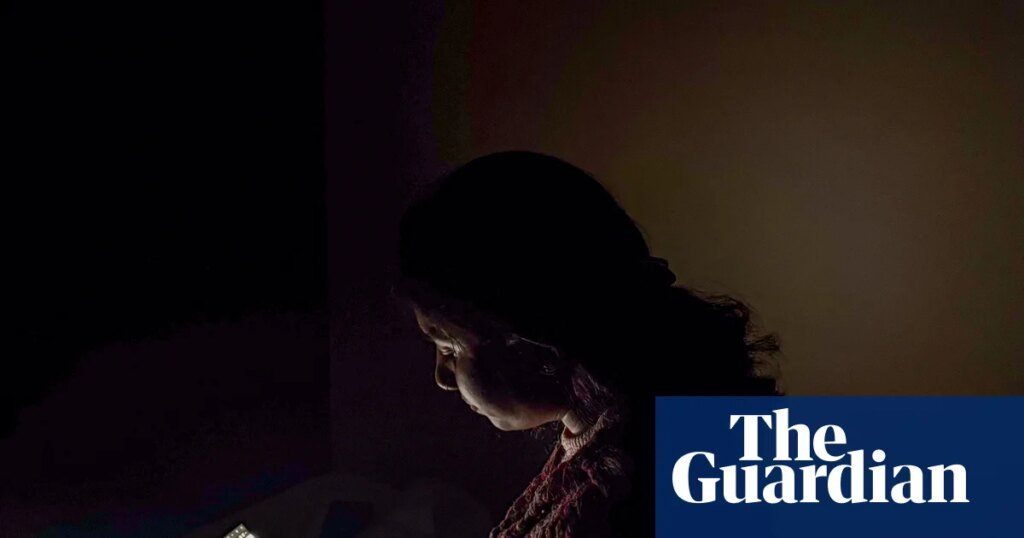
In a rural village in India, Monsumi Murmu juggles the responsibilities of family life while fulfilling a challenging job as a content moderator for a global tech firm. Balancing her laptop on a mud wall slab on her veranda, Murmu navigates a world where disturbing online content meets her daily reality. This article explores the complex emotional and psychological landscape faced by content moderators, particularly highlighting the unique experiences of women in this demanding role.
A Day in the Life of a Content Moderator
Each day, Murmu views up to 800 videos and images flagged for potentially violating platform guidelines. Among these are graphic representations of violence and abuse, images that haunt her even in her dreams. “The first few months, I couldn’t sleep,” she revealed, explaining how her mind continued processing the troubling visuals long after her shift ended. Her mother often stayed up with her during those difficult nights.
The Impact of Moderation Work
In terms of risk, content moderation belongs in the category of dangerous work, comparable to any lethal industry.
As studies indicate, emotional numbing and psychological strain are common among content moderators. Sociologist Milagros Miceli points out that, while some may seem unaffected, psychological harm is prevalent in this line of work. Moderators often experience anxiety and intrusive thoughts, coupled with sleep issues. Research from December 2022 underlines traumatic stress as the primary risk, indicating persistent issues even with workplace support structures in place.
Gender Dynamics in Content Moderation
Women play a crucial role in this industry, often working from rural areas where economic opportunities are scarce. Many come from marginalized backgrounds, seeking better livelihoods than those offered by agriculture or mining. The shift to digital work represents an upward mobility that is unprecedented for many.
However, this same environment can amplify existing marginalization. According to researcher Priyam Vadaliya, the allure of home-based employment often creates a false sense of security, leading workers to accept damaging circumstances without questioning them. This can also breed an expectation of gratitude towards the job, dissuading staff from discussing psychological impacts.
A Personal Journey: Raina Singh’s Story
Raina Singh transitioned into data annotation after university, enticed by the prospect of financial stability. Initially dealing with benign tasks, she was soon faced with graphic content involving child sexual abuse. The workload shifted yet again, leading her to filter pornographic material daily. As Raina expressed, “I can’t even count how much porn I was exposed to… the idea of sex started to disgust me.” This led to a significant withdrawal from her romantic life, impacting her mental health.
The Recruitment Landscape
Job listings for these roles tend to lack clarity about what the work entails. Often marketed as “easy money” or “zero-investment opportunities,” the reality of content moderation is starkly different once individuals begin training. Non-disclosure agreements further isolate workers, preventing them from discussing their challenges and concerns, thus intensifying feelings of loneliness and distress.
Despite the importance of mental health support, many companies fail to provide adequate resources for their workers. When approached, only a few would admit to recognizing the psychological demands of the job. And with no legal recognition of psychological harm in Indian labor laws, protections for workers are limited.
Finding Solace Amidst Struggles
As Murmu nears the end of her contract, her financial security weighs more heavily on her mind than the distressing nature of her job. To cope, she takes solace in simple pleasures: walking in the forest, collecting stones, or painting local patterns. “I don’t know if it really fixes anything,” she confesses, “but I feel a little better.”
Conclusion
The world of content moderation, particularly for women like Monsumi Murmu and Raina Singh, is a tapestry woven with complexity. As they navigate challenging emotional landscapes in pursuit of stable employment, their stories underscore the urgent need for conversations about mental health and fair labor practices in digital jobs.
- Content moderators face significant emotional and psychological challenges from viewing disturbing content.
- Women make up a substantial workforce in data annotation and moderation, often from marginalized backgrounds.
- Job roles are often poorly defined, leading to unexpected and distressing work experiences.
- The lack of mental health support and legal protections poses significant risks for workers in the industry.