
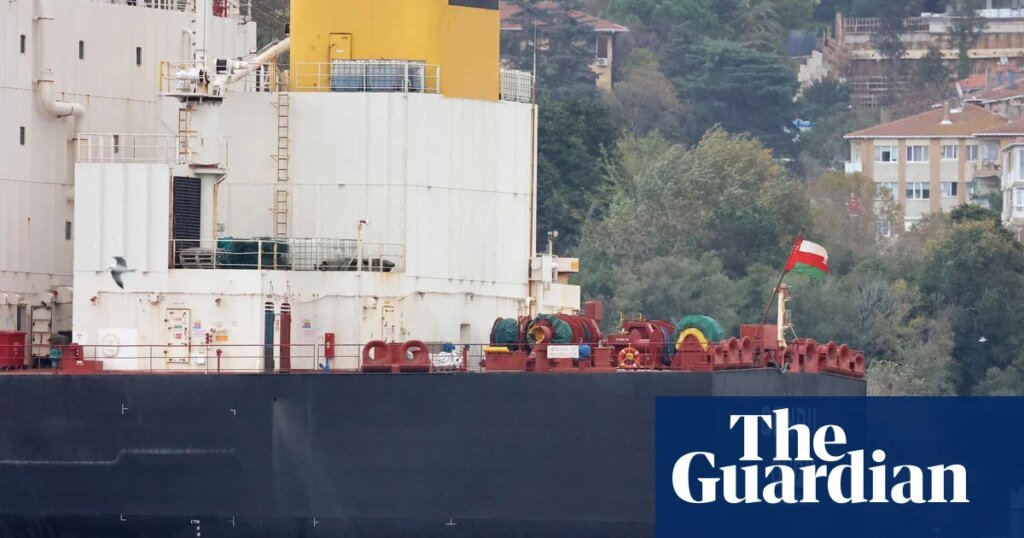
Ukraine Launches Drone Strike on Russian Tanker in Mediterranean
In a significant escalation in the ongoing maritime conflict, Ukraine has successfully conducted a drone strike against a Russian tanker known as the “shadow fleet,” located 1,250 miles (2,000 km) from its borders. This marks the first such incident in the Mediterranean Sea since Russia’s full-scale invasion began nearly four years ago. The attack coincided with President Vladimir Putin’s annual end-of-year press conference, during which he warned of retaliation against Ukrainian strikes on these vessels.
The Context of the Attack
The strike, reported to have caused substantial damage, unfolded off the coast of Libya. This “shadow fleet” consists of vessels employed by Russia, Iran, and Venezuela to sidestep international sanctions through deceptive methods. Historically, Ukraine has targeted these ships, especially in the Black Sea, as part of its strategy to disrupt revenue streams that support Russia’s ongoing military efforts.
Collectively, the shadow fleet is estimated to contain over 1,000 vessels that frequently change flags and whose ownership remains opaque. These ships have allowed Russia to continue exporting crude oil, easing financial strains despite sanctions.
Responses and Implications
In response to the recent attack, Putin stated that Russia would “definitely respond” to Ukraine’s actions against its shadow fleet, suggesting such attacks would not yield the intended results. He claimed they would not disrupt supplies but instead increase risks. This statement reflects his continuing hardline stance, which often paints Ukraine’s maritime actions as acts of piracy.
During the press conference, which lasted over four hours and allowed for direct public interaction, Putin reiterated his assertion that Russia had no intentions of invading Europe, though he maintained a posture of readiness for ongoing conflict.
Details of the Strike
A source from Ukraine’s Security Service (SBU) described the strike as a “new, unprecedented special operation,” though specifics on the operation’s execution and the drones’ launch locations remain vague. They confirmed that the targeted cargo ship was empty at the time, minimizing environmental risks, and emphasized the meticulous planning behind the multi-stage operation.
The tanker, identified as the Qendil, was reported to have sustained “critical damage,” effectively removing it from any future operations. The SBU spokesperson asserted that the vessel was engaged in activities circumventing Western sanctions and was therefore a legitimate target.
International Response to Shadow Fleet Activities
Experts see this strike as a pivotal expansion of Ukraine’s drone capabilities against maritime assets linked to Russia’s sanctioned oil export network. Various international measures have gained momentum against these shadow fleets, including recent actions by U.S. forces against a sanctioned tanker off Venezuela and increasing vigilance from European nations concerning the operational security and environmental risks these aging vessels pose.
Conclusion
The drone strike against the Russian tanker in the Mediterranean not only underscores Ukraine’s commitment to addressing threats from the shadow fleet but also highlights the broader geopolitical tensions surrounding maritime operations in the region. As countries react to these developments, the landscape of naval conflict continues to evolve.
Key Takeaways
- Ukraine has made significant advancements in its drone operations against Russian maritime assets.
- The attack represents a strategic effort to disrupt Russian revenue flows linked to its military activities.
- Putin’s response indicates a potential escalation in conflicts surrounding shadow fleet operations.
- International scrutiny of shadow fleets is increasing, highlighting growing concerns over security and environmental impact.