
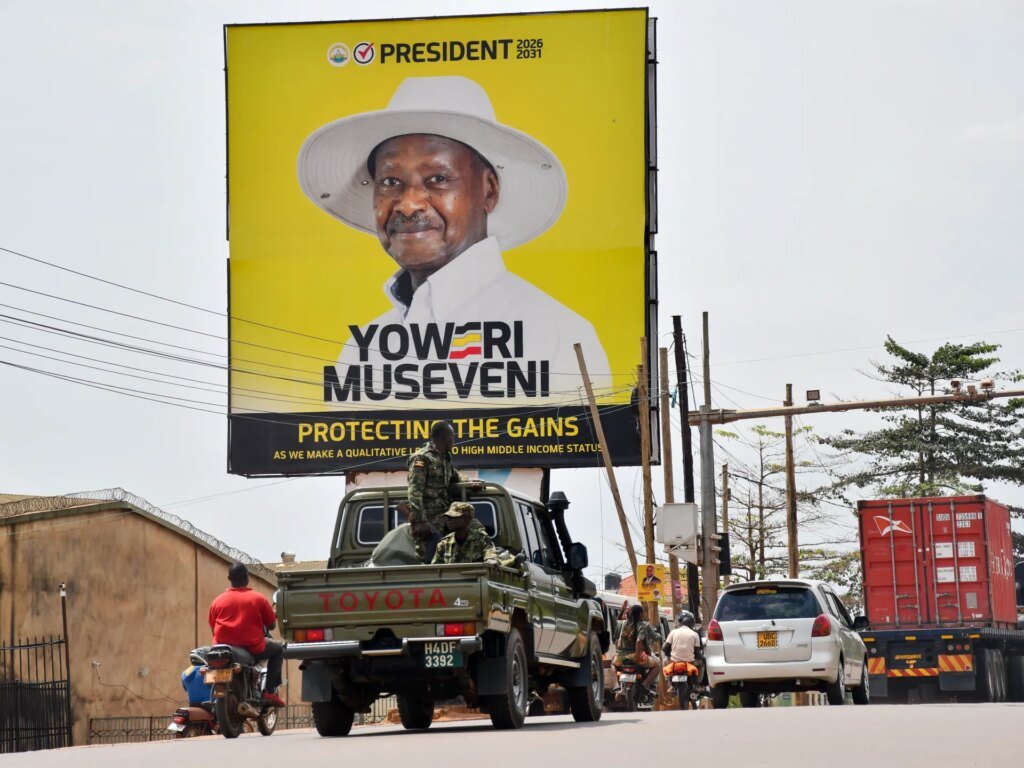
Yoweri Museveni Wins Seventh Term Amid Controversial Election
In a tightly contested election marred by allegations of intimidation and repression, Yoweri Museveni has been re-elected as Uganda’s president for a seventh term. At 81 years old, Museveni secured an impressive 71.65 percent of the votes, according to results announced by the electoral commission. His primary rival, Bobi Wine, garnered 24.72 percent, highlighting a significant gap in support amid a tumultuous political landscape.
Election Context
The election campaign leading up to this vote was described by the United Nations as plagued with extensive repression. Reports indicated a systematic crackdown on opposition rallies, which contributed to a charged atmosphere during the election period. In addition, a nationwide internet blackout was implemented on Election Day, drawing sharp criticism from various quarters.
Bobi Wine’s Stance
Famed singer and politician Bobi Wine, whose real name is Robert Kyagulanyi, alleged that there was widespread mishandling of the electoral process, mentioning incidents of “massive ballot stuffing” on social media platforms. Following a police and military raid on his residence, he reported that he was not home at the time but expressed concern for his family, who were left under house arrest.
Museveni’s Governance
Museveni, in power since 1986, has faced accusations of governing with an authoritarian grip, especially against his political adversaries. In his statements leading up to this election, he expressed confidence in winning re-election, estimating support of around 80 percent.
Election Observations
Election observers noted a lack of evidence supporting claims of ballot stuffing, but highlighted serious concerns over reported incidents of intimidation, arrests, and forced disappearances. These actions were seen as detrimental to public confidence in the electoral process. Goodluck Jonathan, representing observers from the African Union and other regional organizations, expressed concerns that the internet shutdown hindered effective monitoring and generated suspicion, although he noted that the overall conduct of the polls remained peaceful.
Security Presence and Public Response
Reports indicated a heightened police presence throughout Kampala on the day following the election, as authorities aimed to stave off potential protests. The opposition claimed that police action led to at least ten fatalities during a violent incident at a local opposition lawmaker’s residence in Butambala, while local authorities reported seven deaths and alleged that opposition members initiated the attack.
Reflection on Campaign Violence
Dissenting voices, including Bobi Wine’s supporters, experienced repeated disruptions during the campaign, with instances of security forces utilizing tear gas and live ammunition at rallies. These confrontations resulted in deaths and numerous arrests of opposition backers, painting a dire picture of political engagement in Uganda.
Museveni’s re-election, while anticipated, underscores the extensive control he maintains over the state and its security mechanisms. Since taking office, he has amended the constitution to abolish age and term limits, consolidating his authority in politics. Moreover, his party, the National Resistance Movement, appears to be maintaining its significant hold on parliamentary positions as results continue to roll in.
Conclusion
The recent election in Uganda reveals a complex political landscape characterized by challenges to democratic processes and significant political repression. Museveni’s victory not only reinforces his long-standing dominance but raises critical questions about the future of political freedoms and civil rights in the nation.
- Yoweri Museveni secured 71.65 percent of votes in his re-election for a seventh term.
- Bobi Wine, Museveni’s main challenger, received 24.72 percent amidst allegations of electoral mishandling.
- The election campaign was marked by reports of intimidation, internet blackouts, and significant security presence.
- Museveni has been in power since 1986, consolidating authority through constitutional changes.