
Challenge to China’s Rare Earth Export Restrictions
The ongoing tensions regarding China’s export restrictions on rare earth minerals have escalated into a formal challenge involving the United States, the European Union, and Japan. This complex issue plays a critical role in the production of high-tech devices, as these essential minerals are vital components in various technologies, from smartphones to wind turbines. Let’s dive into the details of this situation and its implications for global trade.
The Initiation of a WTO Challenge
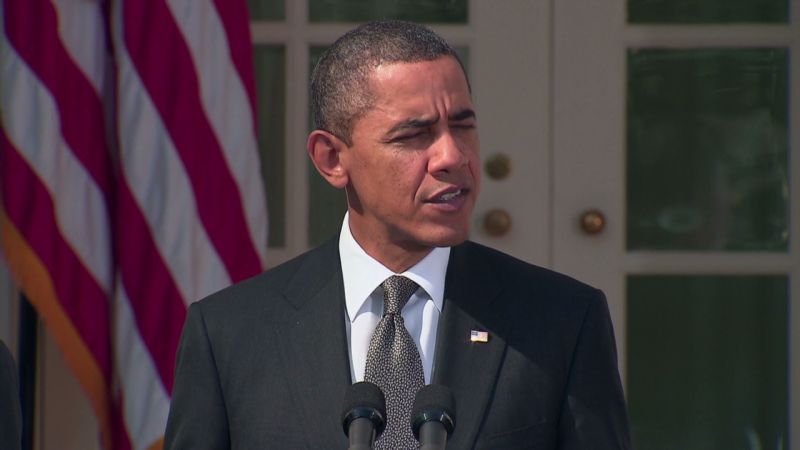
President Barack Obama announced on Tuesday that the United States, along with the EU and Japan, is filing a complaint with the World Trade Organization (WTO). This legal step aims to pressure China into lifting its export limits on rare earth minerals, which are crucial for the production of numerous high-tech products.
According to the European Union, China produces a staggering 97% of all rare earth minerals. These materials are integral to manufacturing consumer electronics, hybrid car batteries, energy-efficient lighting, and more. Obama emphasized, “We want our companies building those products right here in America,” and noted that unrestricted access to these resources is essential for American manufacturers.
The Importance of Rare Earth Minerals
In prior announcements, the EU stated that it stands united with the U.S. and Japan in this WTO endeavor, formally requesting consultations to address these trade issues with China. However, U.S. Senator Chuck Schumer has suggested that more immediate actions are required. He called for novel strategies to assert leverage over China beyond the lengthy WTO process, including blocking Chinese-funded mining projects in the U.S.
China, on its part, has defended its policies. Liu Weimin, a spokesman for the Chinese Ministry of Foreign Affairs, reiterated that China’s approach is in accordance with WTO regulations, focusing on managing the production, exploration, and export of these essential materials.
Environmental Concerns or Market Manipulation?
The United States accuses China of hoarding these valuable minerals, while China claims that its restrictions are motivated by environmental protection. White House Press Secretary Jay Carney emphasized that seeking uniform trade rules is not a tactic aimed at undermining China, but rather a necessary measure as China becomes a more powerful economic player globally.
Timing and Implications of the WTO Challenge
Following the submission of this case, China has ten days to respond and engage in discussions with the involved parties within a two-month timeframe. The EU’s complaint specifically targets 17 rare earth minerals such as cerium, neodymium, dysprosium, and other critical elements like tungsten and molybdenum, all crucial for various industries including technology and automotive.
China is responsible for producing 91% of the world’s tungsten and 36% of molybdenum, further illustrating its dominance in the rare earth market. The EU has warned that the lack of availability of these minerals could disrupt entire supply chains.
Strategic Responses and Industry Impacts
Over the years, China has incrementally tightened its export restrictions, raising export taxes and significantly cutting quotas. Such actions have resulted in increased global prices for these minerals while keeping domestic prices lower, thereby placing U.S. producers at a competitive disadvantage.
In light of these issues, American companies are feeling the pressure. Molycorp Inc., one of the few rare earth mineral producers outside of China, has called on Congress to take stronger measures to enhance research and development in this critical field. The company operates mines in California and Colorado and recognizes the urgency of addressing supply concerns.
Defending National Interests
In the context of national security, the importance of these minerals cannot be overstated. They are essential for advanced military technologies, including missile guidance systems and cutting-edge aircraft like the F-35 Joint Strike Fighter. Recent tensions over rare earth shipments, which previously led to spikes in mineral prices, have prompted the U.S. government to further investigate this vital supply chain.
Despite repeated discussions with China, the EU has expressed frustration at the lack of resolution. Should the parties fail to reach an agreement through consultation, the dispute may escalate to a WTO panel for a formal ruling.
Conclusion
The challenge to China’s rare earth export restrictions by the United States, the EU, and Japan highlights the critical nature of these materials in the global supply chain. As nations push for fair access to vital resources, the outcome of this dispute could significantly influence future trade relations and industry practices worldwide.
Key Takeaways
- The U.S., EU, and Japan are challenging China’s export limitations on rare earth minerals through the WTO.
- China dominates the global supply of rare earth minerals, critical for various high-tech products.
- Concerns over market manipulation and environmental issues are central to the dispute.
- The situation underscores the vulnerability of nations reliant on rare earths for advanced technologies and defense systems.