
DNA Testing Postpones Funeral Plans Following Jet Crash That Claimed Lives of Libyan Army Chief
In a tragic turn of events, the investigation into a recent plane crash near Ankara that resulted in the death of Libya’s army chief, along with seven other individuals, has caused significant delays in funeral arrangements. This article delves into the ongoing inquiries led by the authorities from Libya and Türkiye, highlighting the complexities involved in repatriating the bodies of the victims.
Investigation Intensifies
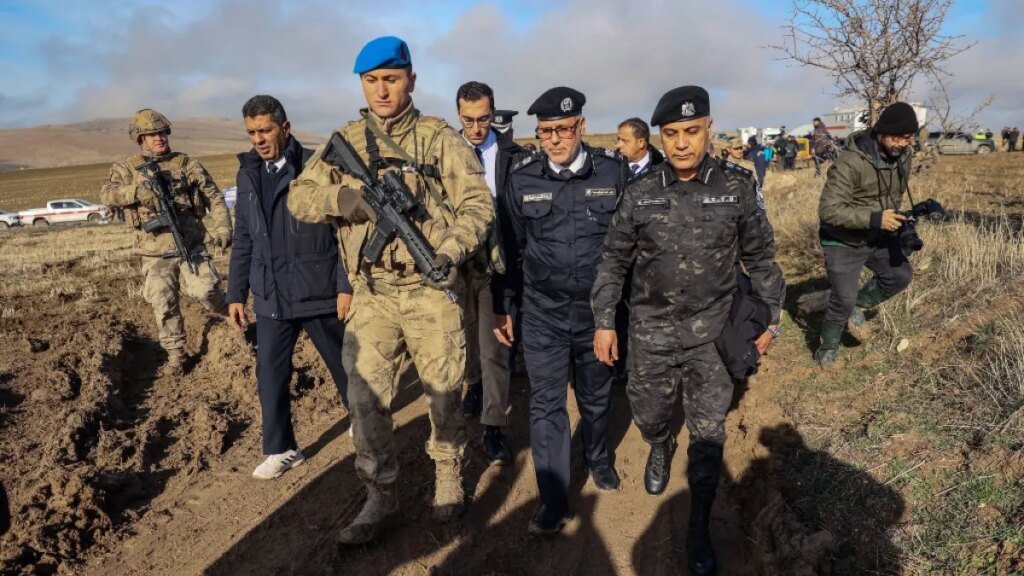
Officials from both Libya and Türkiye have ramped up collaboration in the wake of the devastating crash. The Chief of the Criminal Investigation Department in Libya, Major General Mahmoud Ashour, recently met with the Ankara Chief Public Prosecutor’s Office to engage in a joint investigation. This meeting was crucial following earlier talks with Turkish prosecutors who are managing the case.
Details of the Crash
The unfortunate incident occurred on a private jet carrying the Libyan army chief of staff, Mohammed Ali Ahmed Al-Haddad. Shortly after departing from Ankara Esenboga Airport, the aircraft experienced an electrical failure. Reports indicate that the plane requested an emergency landing just 16 minutes after takeoff, en route to Tripoli. Air traffic controllers redirected the Dassault Falcon 50 back towards Ankara; however, radar contact was lost three minutes later as the aircraft began to descend.
The wreckage was later discovered near the village of Kesikkavak, located in Ankara’s Haymana district, resulting in the loss of all eight individuals aboard, including three crew members. Search and rescue efforts were promptly initiated by Türkiye’s Ministry of Interior, alongside various authorities investigating the crash’s causes.
Delay in Funeral Arrangements
Reporting from Misrata, Libya, Al Jazeera correspondent Malik Traina provided updates on the situation regarding the return of Al-Haddad’s body. While initial plans aimed for a funeral prayer to be held the next day, shifting updates from government officials now suggest it may be postponed until Saturday. Traina noted that the recovery process has been prolonged due to the severity of the crash, with remains scattered across a broad area, necessitating DNA testing to identify the victims.
“There’s mounting pressure to expedite this process, but it remains uncertain how quickly it can be completed,” Traina stated. He further highlighted Al-Haddad’s contributions to bolstering military institutions in the fragmented landscape of western Libya, which is still heavily influenced by powerful armed groups and militias.
Conclusion
The tragic accident involving the jet crash has not only led to the loss of lives but has also created complications in the mourning process for the families of the victims. As investigations continue, the hope is that the coordination between Libyan and Turkish officials will allow for the respectful repatriation of the deceased.
Key Takeaways:
- The jet crash near Ankara resulted in the loss of Libya’s army chief and seven others.
- Authorities from Libya and Türkiye are collaborating on the investigation.
- Funeral arrangements have been delayed due to the need for DNA testing.
- Al-Haddad was known for his efforts to strengthen military institutions in western Libya.