
Understanding the “Board of Peace” Initiative
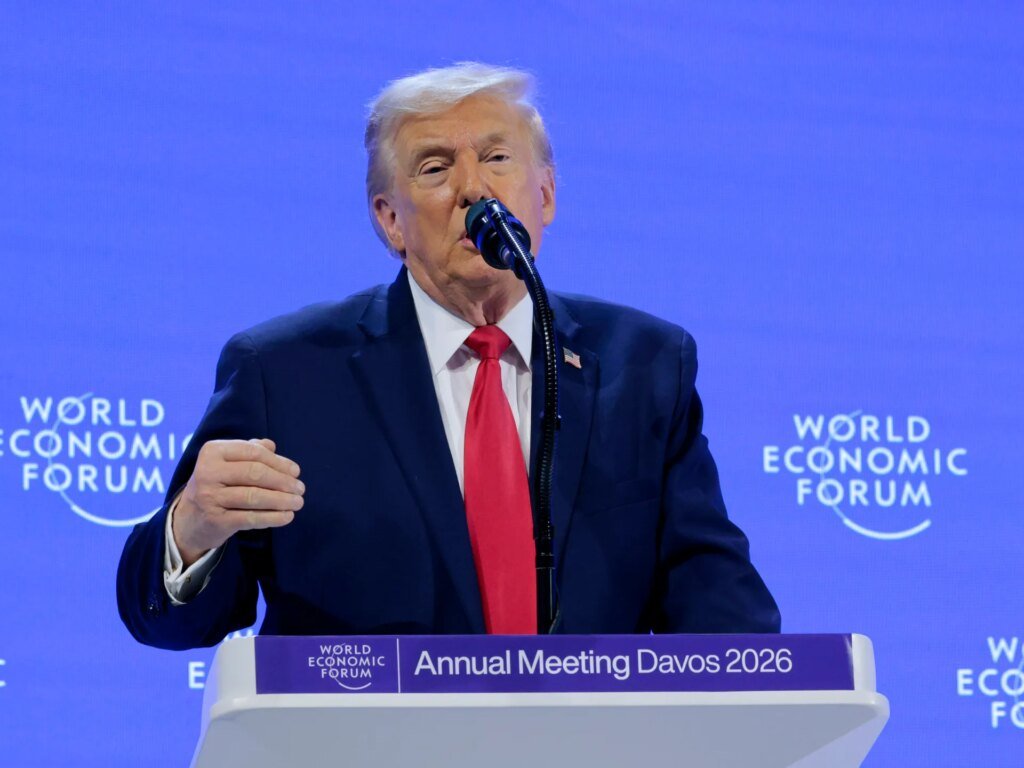
On Thursday, the United States is set to host a signing ceremony for President Donald Trump’s “Board of Peace” (BoP) coinciding with the World Economic Forum (WEF) in Davos, Switzerland. This initiative is part of Trump’s larger 20-point peace plan and aims to oversee the reconstruction of Gaza, heavily impacted by ongoing conflicts. However, while the BoP was originally introduced with a clear mandate to manage post-war Gaza, its charter lacks any direct mention of the region, raising questions about its broader implications.
What is the “Board of Peace”?
Initially proposed during the UN General Assembly session in September, the BoP was designed to facilitate the reconstruction and economic revitalization of Gaza. The White House officially announced its formation last week, yet its 11-page charter comprises eight chapters and seemingly broad mandates with no specific mention of Gaza. Instead, it outlines a purpose to foster stability, restore governance, and pursue lasting peace in conflict-stricken areas.
Governance Structure
The governance framework for the BoP includes three levels: the BoP itself, an executive board, and a chairman vested with significant authority. A “founding executive council” constitutes the upper tier, where budget approvals, policies, and senior appointments are determined. This council features notable members like former UK Prime Minister Tony Blair, US Secretary of State Marco Rubio, and Jared Kushner, Trump’s son-in-law. Lastly, Trump himself acts as the chairman, holding final interpretative power over the charter and the ability to veto crucial decisions.
Key Functions
Members of the BoP will oversee key areas vital for Gaza’s stability and long-term success, including governance improvements, regional relations, reconstruction efforts, and attracting investments.
Countries Invited to Join
Following the announcement, invitations were dispatched to numerous countries. Leaders from at least 50 nations have acknowledged receipt of the invitations, including strong US allies like the UK, France, Canada, and Saudi Arabia, as well as adversaries like China and Russia. Israel has confirmed its participation, despite ongoing legal challenges faced by Prime Minister Benjamin Netanyahu regarding alleged war crimes in Gaza.
Confirmed Participants
Countries that have agreed to join the BoP include Pakistan, Egypt, the United Arab Emirates, Morocco, Hungary, and Belarus. Pakistan’s involvement echoes hopes for a permanent ceasefire and a boost in humanitarian aid for Gaza.
Cautious Approaches from Some Nations
Nevertheless, some countries have chosen to refrain from joining the BoP. Notable refusals include France, Denmark, Norway, and Sweden, with concerns regarding the potential shift from UN-led frameworks to a more US-centric structure. The hesitation from nations like China and India further reflects a commitment to existing international norms and laws.
Motivations Behind Participation
Observers suggest that nations seeking to join the BoP are driven by the desire for direct access to the US and the opportunity to influence decision-making regarding international projects. However, countries opting to stay away might aim to preserve their ties with the US while still adhering to UN protocols.
Is the BoP a Rival to the UN?
A critical concern surrounding the BoP is its potential to rival the United Nations, an institution that has served as a cornerstone of global diplomacy. Critics argue that the BoP could weaken the UN’s role by draining its resources and attention. The paradigm shift towards an American-led approach could fundamentally alter how international relations are conducted.
Final Thoughts
The creation of the Board of Peace comes with both opportunities and significant questions about its long-term impact on international diplomacy. As countries weigh their involvement, the implications of Trump’s initiative could reshape how global conflicts are managed and how existing frameworks like the UN are perceived and utilized.
Key Takeaways
- The Board of Peace aims to facilitate reconstruction and stability in conflict-affected regions, but its charter does not explicitly reference Gaza.
- Membership is invitation-only, with key figures involved in its governance.
- Some countries have opted out of participation, citing concerns over replacing established international protocols.
- The BoP may challenge the UN’s role in global conflict management and reshape diplomatic norms.