
Major Steps Taken to Reduce Prescription Drug Prices
In a significant move to make medications more affordable, President Donald Trump recently unveiled new agreements designed to reduce prescription drug prices across the United States. Collaborating with leaders from prominent pharmaceutical companies such as Bristol Myers Squibb, Gilead Sciences, and Merck, the administration aims to set U.S. drug prices at par with the lowest rates seen in developed nations.
Details of the New Agreements
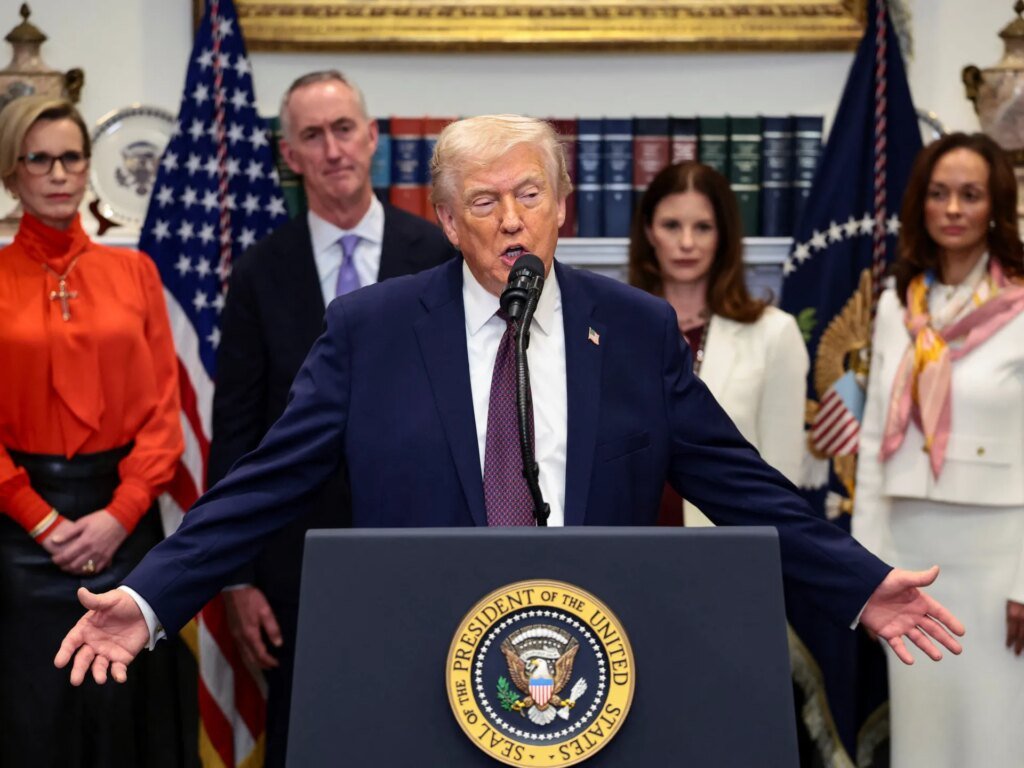
During a White House press conference, Trump expressed optimism about the upcoming changes. “Starting next year, American drug prices will come down fast and furious and will soon be some of the lowest in the developed world,” he stated, labeling the initiative as one of the most significant actions regarding drug pricing ever undertaken.
The agreements, as disclosed by senior administration officials, will initiate price cuts on certain medications distributed via the Medicaid program for low-income individuals. While specific figures were not released, officials assured the public of “massive savings” on commonly prescribed drugs.
“We were subsidizing the entire world. We’re not doing it anymore,” Trump remarked, standing alongside several pharmaceutical executives.
Impacts on Patients and Companies
As it stands, U.S. patients pay significantly higher prices for prescription medications—often nearly three times more than their counterparts in other developed countries. Trump has consistently encouraged drug manufacturers to align their pricing with what consumers pay abroad.
Pricing Structure Changes
Details surrounding the agreements remain somewhat vague; however, they do encompass commitments to:
- Lower cash-pay prices for selected drugs directly sold to consumers.
- Launch new medications in the U.S. at prices comparable to those in other wealthy nations.
- Enhance manufacturing efforts.
In exchange for these concessions, pharmaceutical companies would receive a three-year exemption from various tariffs.
Specific Price Reductions
Merck has announced that its diabetes medications, including Januvia, Janumet, and Janumet XR—preparing for generic competition—will be offered directly to American consumers at approximately 70% off their list prices. Additionally, if approved, their experimental cholesterol drug enlicitide will also be available through direct-to-consumer channels.
Amgen has extended its program to include migraine medication Aimovig and rheumatoid arthritis treatment Amjevita, pricing both at $299 per month—around 60% and 80% lower than current market rates in the U.S.
Progress and Future Outlook
Back in July, Trump reached out to 17 major pharmaceutical corporations, requesting that they provide most-favored-nation pricing to the Medicaid program for low-income Americans, ensuring that no new drug is launched above the prices seen in other high-income countries. Thus far, five companies, including Pfizer, Eli Lilly, AstraZeneca, Novo Nordisk, and EMD Serono, have successfully negotiated deals with the administration to bring down prices.
Officials noted that a portion of the revenues generated from international sales will be funneled back to the U.S. to help offset costs. Additionally, these companies have committed to over $150 billion in investments aimed at research, development, and manufacturing within the U.S.
Conclusion
President Trump’s initiatives mark a pivotal step toward addressing the extensive price disparities in prescription drugs between the U.S. and other developed nations. While the initial response from investors may have been cautious, the structured agreements appear to have alleviated concerns regarding tighter price controls. As Medicaid only accounts for about 10% of U.S. drug spending, it already enjoys substantial discounts, thus hinting at the potential for these new agreements to create a broader impact.
Key Takeaways
- New agreements aim to align U.S. drug prices with those of the lowest developed nations.
- Major pharmaceuticals are committing to significant price cuts on select medications.
- Investments of over $150 billion in U.S. R&D and manufacturing are pledged by companies.
- Patient costs currently exceed those in other wealthy nations, highlighting the importance of these initiatives.