
US Administration Halts Offshore Wind Projects Amidst National Security Concerns
The recent decision by the U.S. administration to suspend leases for several offshore wind projects has raised significant concerns in the renewable energy sector. This move, attributed to national security issues, has resulted in a sharp decline in stock prices for offshore wind companies. Here’s a closer look at the situation and its implications for the renewable energy landscape.
A Suspended Future for Offshore Wind
On December 22, 2025, the administration announced a halt to five large-scale offshore wind projects located along the Atlantic coast. The projects, which were already in the construction phase, experienced this setback as developers faced ongoing challenges under the current administration’s policies.
Investors React
The announcement has had an immediate impact on the stock market. Shares of Danish energy company Orsted, which owns two of the affected projects, fell by over 12%. Other firms, including Dominion Energy and Equinor, also experienced declines in their stock prices as investors reacted to the news.
National Security Concerns
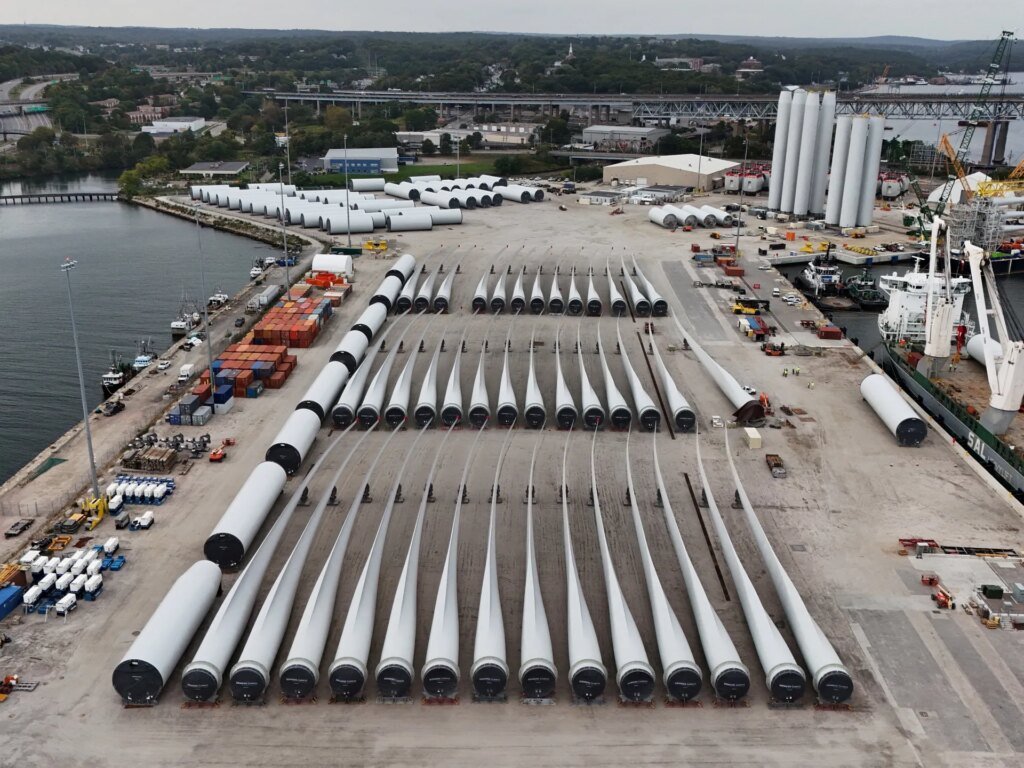
The U.S. Department of the Interior cited concerns from the Department of Defense regarding the potential for radar interference caused by massive turbine blades and reflective towers. Such interference raises issues for military operations in identifying and tracking potential threats. Secretary of the Interior Doug Burgum emphasized that the country’s primary responsibility is ensuring the safety of its citizens.
The suspension aims to provide federal agencies with the necessary time to collaborate with project leaseholders and state officials to explore ways to address these national security risks effectively.
Projects Affected
Specific projects impacted by this suspension include:
- Orsted’s Revolution Wind
- Orsted’s Sunrise Wind
- Avangrid and Copenhagen Infrastructure Partners’ Vineyard Wind 1
- Dominion Energy’s Coastal Virginia Offshore Wind
- Equinor’s Empire Wind 1
Industry Response
The National Ocean Industries Association (NOIA), which represents offshore wind developers, has urged the administration to lift the suspension quickly. NOIA President Erik Milito pointed out that the rigorous regulatory framework already ensures the national security implications of these projects have been extensively reviewed, with no prior objections from the Department of Defense.
Concerns Over Grid Reliability
Dominion Energy expressed its worries regarding the suspension’s impact on grid reliability for Virginia customers, especially those in military bases and data centers crucial for artificial intelligence operations. The company stressed that these energy resources are vital for technological advancement and national security.
Historical Context
This latest decision is part of a broader pattern of regulatory challenges for offshore wind developments. Earlier this year, the administration ordered Orsted to halt construction on the Revolution Wind project, although a federal judge later lifted that ban. Similarly, in a compromise concerning Equinor’s Empire Wind, work orders were lifted to accommodate a supportive natural gas pipeline.
Trump has maintained a critical stance towards the offshore wind sector, often describing wind turbines as unsightly and costly. Instead, he has pushed for greater investment in oil and gas drilling, further complicating the landscape for renewable energy initiatives.
Conclusion
The suspension of offshore wind projects highlights the ongoing tensions between national security concerns and the push for renewable energy development. As the industry grapples with these uncertainties, the long-term implications for investors and energy policy are yet to be fully realized.
Key Takeaways
- The U.S. administration has suspended five offshore wind projects citing national security concerns.
- Stock prices for companies like Orsted and Dominion Energy have significantly declined.
- The Department of Defense raised issues regarding radar interference from wind turbine structures.
- Industry representatives are pushing for a prompt resolution to these disruptions.