
U.S. Military Strikes ISIS in Nigeria: A Closer Look
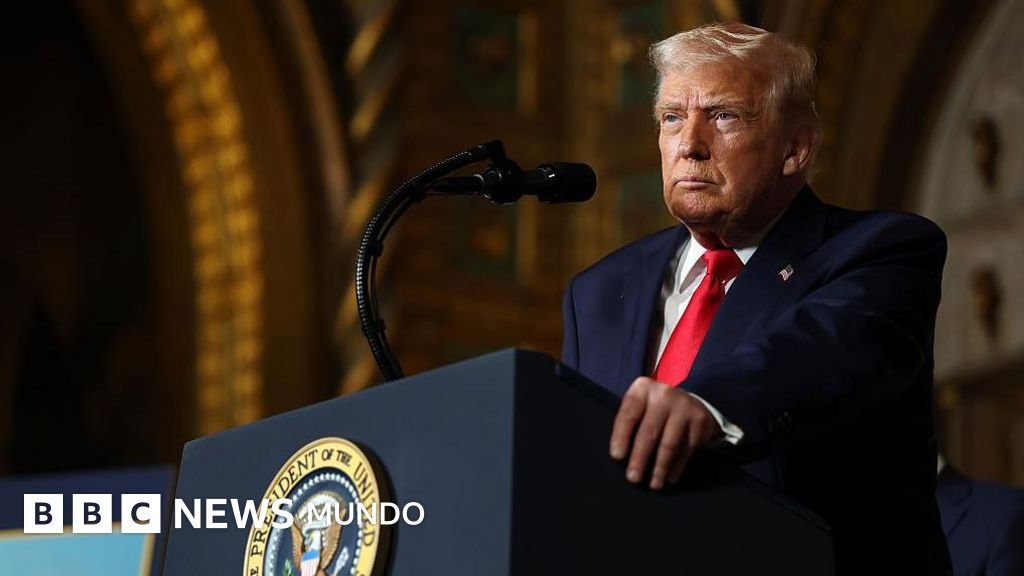
On Thursday, U.S. President Donald Trump announced a significant military operation against the Islamic State (ISIS) in northwestern Nigeria. Highlighting the grave circumstances, Trump referred to ISIS as “terrorist scum,” blaming them for “brutally attacking and murdering, primarily, innocent Christians.” This operation, described as a “powerful and lethal attack,” was mentioned in a post on Truth Social, although specific details regarding the targets or timing remain undisclosed.
Background of the Conflict in Nigeria
The call for military action in Nigeria came after Trump directed the U.S. armed forces to prepare for operations against Islamist militant groups last November. In his recent statement, he emphasized that “under my leadership, our country will not allow radical Islamic terrorism to thrive.”
Claims of Genocide
While Trump did not provide specifics about the murders he referenced in his November discussion, conservative circles have raised accusations of genocide against Christians in Nigeria. Monitoring groups contest this narrative, asserting that no evidence indicates Christians are being disproportionately targeted compared to Muslims in the country, which has a population of over 220 million, evenly split between the two groups. Armed attacks predominantly occur in the northern regions, inhabited largely by Muslims.
Perspectives from Nigeria
Daniel Bwala, an advisor to Nigerian President Bola Tinubu, stated that any military response to jihadist groups must be a collaborative effort. He confirmed that Nigeria would welcome U.S. assistance in combating Islamist insurgents while emphasizing its sovereignty. Furthermore, he remarked that jihadists do not solely attack members of one faith and have caused casualties across various religious backgrounds. President Tinubu reiterated that religious tolerance exists in Nigeria and that security challenges affect individuals from all religions and regions.
Designated Country of Concern
Previously, Trump designated Nigeria as a “country of particular concern” due to the “existential threat” faced by its Christian population. He claimed that “thousands” had been killed without providing substantiating evidence. This designation, used by the U.S. State Department, could lead to sanctions against nations that severely violate religious freedom.
Endemic Violence
Tinubu has committed to collaborating with the U.S. and the international community to safeguard all religious communities. Jihadist groups such as Boko Haram and the ISIS West Africa Province have wreaked havoc in northeastern Nigeria for over a decade, resulting in thousands of fatalities, predominantly among Muslims, according to Acled, an organization monitoring global political violence. Additionally, frequent clashes between mainly Muslim herders and often Christian farming communities over resources have also resulted in significant loss of life and atrocities committed by both sides.
Conclusion
The situation in Nigeria remains complex, marked by a multifaceted conflict involving religious, ethnic, and resource-based tensions. While recent military actions by the U.S. aim to address the threat posed by groups like ISIS, it is crucial to consider the broader context of violence affecting both Muslims and Christians in the region.
Key Takeaways:
- Trump announced a military strike against ISIS in northwestern Nigeria without disclosing specific details.
- The conflict in Nigeria involves multifarious factors, affecting both Muslim and Christian communities.
- President Tinubu emphasizes the need for a united effort against jihadist groups while affirming Nigeria’s sovereignty.
- Claims of genocide against Christians in Nigeria are contested by monitoring organizations.