
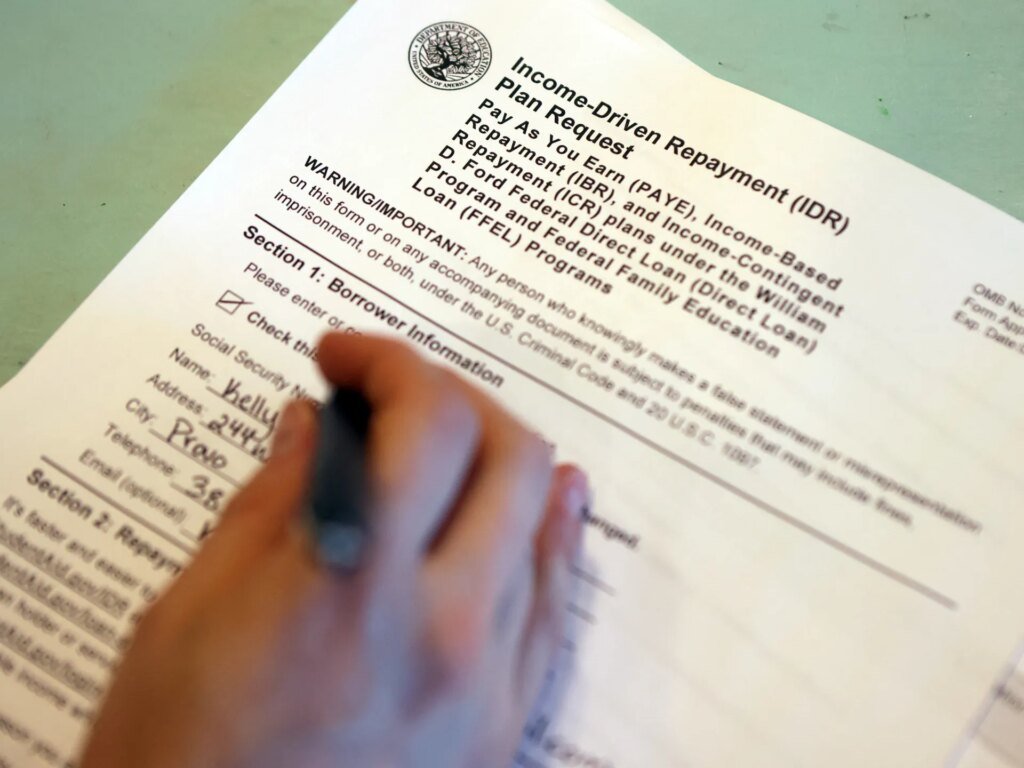
Upcoming Wage Garnishment Notices for Student Loan Borrowers
The U.S. Department of Education has confirmed that starting January 7, borrowers who have defaulted on their student loans will begin receiving wage garnishment notices. This marks a significant move by the government, as it is the first time such actions have been taken since the onset of the COVID-19 pandemic.
Details of Wage Garnishment
According to a spokesperson from the Department of Education, about 1,000 borrowers will initially be affected, with this number expected to rise in the coming months. “The notices will increase in scale on a month-to-month basis,” the spokesperson noted.
Selection Process for Borrowers
When asked how the government determined which borrowers would be included in this first round of garnishments, the Department did not provide specifics. They emphasized that collections would only occur after borrowers have been given adequate notice and a chance to repay their loans.
Legal Framework for Garnishments
Under federal law, the government is permitted to garnish up to 15% of a borrower’s take-home pay, ensuring that the individual retains at least 30 times the federal minimum wage per week. Currently, the federal minimum wage stands at $7.25 an hour, a rate that hasn’t changed since July 2009.
The Broader Context
Approximately one in six American adults is burdened by student loan debt, amounting to around $1.6 trillion in total. As of April, more than 5 million borrowers had not made any payments in over a year, according to the Education Department. The introduction of wage garnishments comes at a time when many Americans are already facing economic pressure due to escalating prices and a sluggish job market. In fact, over 1.1 million people lost their jobs in 2025 as job growth has waned, based on data from consulting firm Challenger, Gray & Christmas.
Concerns About Financial Pressure
The unemployment rate rose to 4.6% in October and November, the highest it’s been since 2021, according to the U.S. Department of Labor’s Bureau of Labor Statistics. This has led to growing concerns about the financial strain on families. Julie Margetta Morgan, a former deputy undersecretary at the Education Department during the Biden administration, voiced her concerns, stating, “Families are being forced to choose between paying their bills and putting food on the table. The Trump administration’s decision to begin garnishing wages takes even that meager choice away from student loan borrowers who are living on the brink.”
Additional Government Authorities
Aside from wages, the federal government also has the power to garnish income from tax refunds, Social Security benefits, and certain disability payments, imposing further financial strain on those who are already struggling.
Conclusion
The upcoming wage garnishment notices represent a considerable shift in the government’s approach to managing student loan debt, placing additional burdens on borrowers as the economy shows signs of instability. As these changes take effect, many will find themselves facing tough financial choices amidst a challenging economic landscape.
Key Takeaways
- Wage garnishment notices for defaulted student loan borrowers will begin on January 7.
- Initially, around 1,000 borrowers will be impacted, with more to follow as the process scales up.
- The federal government can garnish up to 15% of take-home pay, while ensuring a minimum weekly income.
- The economic climate adds complexity to financial situations, leaving borrowers in a precarious position.