
Protecting Songbirds: Silva Gu’s Fight Against Poaching in Beijing
As dawn breaks over Beijing, the pursuit of protecting songbirds from illegal poaching unfolds quietly in the fields outside the bustling city. Silva Gu, a passionate wildlife advocate, has dedicated over a decade to combating this thriving black market. He is determined not only to rescue these birds but also to spread awareness about their importance in our ecosystem.
A Dangerous Encounter
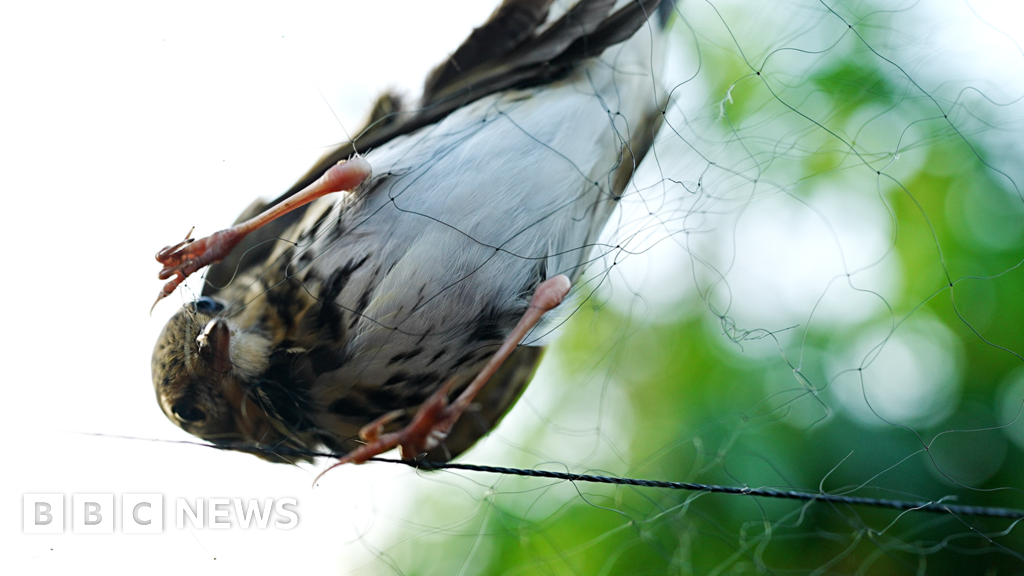
Under the cover of darkness, Silva scans the grassland surrounding Beijing, on the lookout for poachers who trap birds for the lucrative pet trade or for meat. With each breath, anticipation builds; in the stillness, the sharp sound of footsteps signals that the poachers have arrived. Silva leads the way, cautious and nimble, as they navigate through the trees toward a clearing. Here, an almost invisible bird net rests taut, entrapping small creatures, including a meadow pipit, a species protected under Chinese law.
Every year, countless birds, including the beautiful Siberian rubythroat, fall prey to these traps—a practice made easier by the economic downturn caused by the pandemic. Weighing the swift profit against the risks, poaching has become an appealing option for many during these tough times.
Migration and Danger
As billions of birds migrate south for the winter, seeking warmth and food, they rely on strategic rest stops. China, with its vast array of habitats, serves as a vital corridor for more than 800 migratory species. The grassland near Beijing offers essential refuge as urban expansion consumes more natural spaces.
However, with the poachers lurking nearby, these safe havens increasingly become sites of peril. A significant part of Silva’s mission involves detaining poachers mid-act. With years of experience to guide him, he deftly manages to stop one while the cameras capture the moment. Silva’s commitment to avian conservation might start with courage but extends into active confrontation when necessary.
Building a Movement
In his early efforts, Silva struggled to gain traction against bird poaching. In 2015, he recognized the apathy surrounding this issue and took action to mobilize a community effort. By recruiting volunteers and forming the Beijing Migratory Bird Squad, he worked tirelessly to involve local authorities and raise awareness about the illegal wildlife trade. His persistence has paid off; police now recognize the importance of tackling bird poaching as a pathway to addressing broader criminal activities.
Personal Sacrifices
Silva’s dedication comes at a cost. His encounters with the darker sides of this trade pose genuine dangers, including threats that have left him physically harmed. While he has witnessed the gradual decline of volunteers willing to participate in such risky endeavors, he continues to push forward alone. His drive is fueled by fundraising initiatives, though recent economic turbulence has made securing funds increasingly challenging.
Employing strategic methods, Silva uses satellite imagery to track poacher activity and map bird migratory routes. He aims to disrupt their operations by identifying and dismantling the networks of mist nets that threaten local wildlife.
The Cultural Divide
The demand for protected songbirds is driven by longstanding cultural practices, where owning such pets signals status. This tradition has persisted from the Qing dynasty, fueling a market that poses a dilemma: educated awareness versus embedded customs. Silva highlights the challenges of changing norms in a society where many do not understand the implications of their actions.
Recent Busts and a Need for Change
Strolling through an old market area in Beijing, one can still find traders displaying small songbirds in cages, caught up in the historical fabric of the city. However, recent police efforts reflect a shift in attitude towards wildlife conservation. Such campaigns indicate a growing recognition of the vital role of wild birds in maintaining ecological balance.
This year, Silva’s confrontations with poachers culminated in the arrest of one such individual, revealing evidence of a much larger network dedicated to the illegal wildlife trade. But while Silva reports hope in the movement against poaching, he remains concerned about the inadequate legal penalties enforced against such crimes.
Looking Ahead
With over 20,000 birds rescued over ten years, Silva Gu stands as a beacon of hope in a challenging landscape. He continues to nurture a dream—a future where wild songbirds once again grace Beijing’s skies with their melodies, as they did in his childhood. Until change comes, Silva remains dedicated, believing that if one has a vision, persistence must follow.
- Silva Gu has dedicated over a decade to combating bird poaching in Beijing.
- Grasslands near Beijing serve as critical safe havens for migratory birds.
- Following grassroots efforts, local authorities are now more involved in wildlife protection.
- Silva continues to rescue and protect songbirds, despite personal sacrifices and challenges.